
As an Amazon Associate KitchenwareSets.com earns from qualifying purchases.
13 Cheap DIY Mud Kitchen Ideas: Rustic Outdoor Play for Kids
Tired of expensive plastic toys that get ignored after a week? You want to give your child engaging, creative outdoor playtime without breaking the bank. Creating a space for imaginative, messy fun feels like the perfect solution to nurture their development.
To make a cheap DIY mud kitchen, you can upcycle materials like wooden pallets, cinder blocks, or an old nightstand. The easiest method involves stacking cinder blocks and laying a sturdy wood plank on top for a counter, then adding plastic tubs for sinks. This no-build approach provides a durable, budget-friendly outdoor play station.
Drawing from proven child development principles, this guide will show you how to create an incredible outdoor play kitchen. We’ll explore 13 simple, budget-friendly ideas that transform everyday items into a hub for creativity. Get ready to build a space that fosters sensory exploration and makes lasting memories.
Contents
show
How Can You Build a Cheap DIY Mud Kitchen for Endless Outdoor Play?
Building a DIY mud kitchen is about more than just creating a toy; it’s about crafting an experience. At its core, a homemade mud kitchen is a dedicated station for sensory play, a concept central to forest school pedagogy and early childhood development. This type of open-ended play allows children to experiment with natural materials like mud, water, leaves, and stones, which is fundamental for sensory integration and building fine motor dexterity. By providing a space where getting messy is encouraged, you’re supporting their cognitive growth and creativity. The best part is that you don’t need to be an expert builder or spend a lot of money. The most charming and effective mud kitchens are often made from upcycled materials, turning a simple weekend project into a valuable, long-lasting gift. Throughout these ideas, we’ll focus on using non-toxic materials and following key safety guidelines to ensure your backyard play area is both fun and secure.
13 Cheap DIY Mud Kitchen Ideas Your Kids Will Adore
Ready for some inspiration? We’ve gathered 13 distinct and actionable cheap DIY mud kitchen ideas that cater to every budget, skill level, and backyard size. Each idea is a mini-guide designed to be scannable and easy to follow, focusing on simple construction and readily available materials. From the classic pallet mud kitchen to clever no-build solutions and creative upcycling projects, you’ll find the perfect plan to create a magical outdoor play kitchen. These aren’t just instructions; they’re blueprints for fostering imagination, developing crucial skills, and making the most of outdoor playtime. Let’s dive in and find the perfect project for your family.
1. Assemble the Classic Two-Pallet Mud Kitchen

Pin this simple pallet project to your “DIY for Kids” board!
Materials Needed
- 2 Wooden pallets (CRITICAL: Ensure they are stamped “HT” for heat-treated, not “MB”)
- 1 bag of 3-inch heavy-duty construction or deck screws
- 1 large plastic tub or inexpensive stainless steel bowl (for the sink)
- An orbital sander with 80-grit and 120-grit sandpaper
- Non-toxic, weatherproof wood sealer or outdoor paint
Step-by-Step Directions
- Select & Prep: Choose two pallets of similar size. Thoroughly scrub them with soap and water and let them dry completely.
- Sanding: Using an orbital sander, sand all accessible surfaces, starting with 80-grit sandpaper to remove roughness and potential splinters, then finishing with 120-grit for a smoother touch. This is the most important step for splinter prevention.
- Assembling the Base: Stand one pallet upright on its longest edge. This will be your base and countertop.
- Creating the Backsplash: Place the second pallet vertically behind the first, aligning the edges. This forms the backsplash where you can add hooks.
- Joining: Secure the backsplash pallet to the base pallet using several 3-inch deck screws, drilling through the back of the backsplash into the base. Ensure it’s sturdy.
- Installing the Sink: Trace the outline of your plastic tub or bowl on the countertop. Use a jigsaw to cut out the hole and drop the “sink” into place.
- Sealing: Apply 2-3 coats of a child-safe, non-toxic outdoor wood sealer to the entire structure for wood rot protection.
Pro-Tip: Before assembling, consider prying off a few boards from the front of the base pallet to create open shelving underneath for storing pots and pans. This adds functionality without extra materials.

2. Create an Instant “No-Build” Cinder Block Kitchen

Need a mud kitchen in 5 minutes? Pin this genius no-build idea!
Materials Needed
- 4-6 standard Cinder blocks
- 1 thick, sturdy wooden board (a 2×10 or 2×12 decking board, 4-6 feet long, is perfect)
- 1 large metal or plastic storage bin for a sink
- A small level (optional, but helpful)
Step-by-Step Directions
- Find a Spot: Choose a level patch of ground in your backyard play area.
- Stack the Blocks: Create two towers by stacking two (for toddlers) or three (for preschoolers) cinder blocks on top of each other. Position the towers about 3-4 feet apart.
- Check for Level: Ensure the tops of both towers are at the same height. The holes in the cinder blocks are perfect for stashing spoons and whisks.
- Add the Countertop: Carefully lay your wooden board across the two cinder block towers. Make sure it’s centered and stable with no wobble.
- Place the Sink: Simply set your plastic tub or metal bowl on top of the countertop. Since it’s not inset, it’s easy to remove and clean.
Pro-Tip: For a more advanced version, use a jigsaw to cut a hole in the board for a drop-in sink before placing it on the blocks. You can also paint the cinder blocks with fun colors using masonry paint for a custom look.

3. Upcycle an Old Nightstand or Dresser

Don’t throw out that old furniture! Pin this upcycling inspiration.
Materials Needed
- 1 old wooden nightstand, small dresser, or TV console
- Sandpaper (120-grit)
- Primer and non-toxic, durable exterior paint
- 1 small sink bowl (plastic storage bin or pet food bowl)
- A jigsaw
- Optional: Chalkboard paint, small hooks, a hand-pump tap.
Step-by-Step Directions
- Prep the Furniture: Clean the nightstand thoroughly. Lightly sand all surfaces to help the primer and paint adhere.
- Prime and Paint: Apply one coat of exterior primer. Once dry, apply 2-3 coats of your chosen outdoor paint. This is crucial for withstanding outdoor weather.
- Create a Backsplash (Optional): Screw a small plank of wood vertically to the back of the nightstand’s top surface to create a backsplash for hanging utensils.
- Install the Sink: As in the pallet kitchen plan, trace your sink bowl on the top surface, cut with a jigsaw, and drop it in.
- Add Details: Paint a square on the backsplash with chalkboard paint for a menu. Screw small hooks underneath the top or onto the backsplash for hanging pots and pans. The existing drawers provide perfect built-in storage!
Lesson Learned: In my experience, the most durable finish comes from using a paint specifically designed for outdoor furniture or decks. Don’t skip the primer step, even if the paint says it’s a “paint and primer in one.”

4. Build a Simple Scrap Lumber Frame Kitchen

Have leftover wood from another project? Pin this idea for later!
Materials Needed
- Scrap lumber: Approx. four 8-foot 2×4 boards and a small piece of exterior-grade plywood (2×4 feet)
- 3-inch exterior wood screws
- A drill and a saw (miter saw or circular saw)
- A tape measure and pencil
- A large plastic tub for the sink
Step-by-Step Directions
- Cutting: Cut your 2x4s into the following pieces: four legs (e.g., 24 inches for a toddler), four long apron/shelf pieces (e.g., 40 inches), and four short apron/shelf pieces (e.g., 20 inches).
- Assembling the Frames: Create two identical rectangles (the short sides) by screwing a short apron piece between two legs at the top and another about 6 inches from the bottom. These are your side frames.
- Joining the Frames: Stand the two side frames up. Screw the long apron pieces between them, one at the front-top and one at the back-top. This creates the top frame for your counter.
- Adding the Shelf: Attach the remaining two long pieces between the legs at the bottom to form the support for a lower shelf. You can lay extra wood slats across this for storage.
- Attaching the Countertop: Place your plywood sheet on top of the frame and screw it down. Cut a hole for your sink.
- Finishing: Sand any rough edges and apply a weatherproof sealer or paint.
Pro-Tip: Use a pocket hole jig for assembling the frames. It hides the screw heads and creates incredibly strong joints, making your handmade play equipment much more durable.

5. Design a Modular Log & Plank Station

Embrace nature! Pin this gorgeous, rustic mud kitchen idea.
Materials Needed
- 2-3 large, stable log sections or tree stumps (with flat tops, roughly 18-24 inches high)
- 1-2 thick, sturdy wood planks or a live edge wood slab
- A large basin or bucket for mixing
Step-by-Step Directions
- Source the Logs: Find or purchase log sections. The key is that they must have a wide, stable base and a relatively flat top.
- Position the Bases: Arrange the logs in your desired location. You can have two at the same height for a single counter, or at different heights for a multi-level station. Ensure they don’t wobble.
- Place the Countertop: Lay your wood plank(s) across the logs. The weight of a thick plank will often hold it in place, making this a true no-build option.
- Add Your Sink: Place a large enamel or metal basin on one of the surfaces.
- Accessorize with Nature: This kitchen is all about loose parts theory. Encourage kids to use rocks for “buttons,” twigs for “utensils,” and leaves for “herbs.”
Pro-Tip: To make the countertop more secure without screws, you can use a hand auger or large drill bit to drill a shallow hole into the top of the logs and a matching hole on the underside of the plank. Then insert a small wooden dowel to peg the plank in place.

6. Repurpose a Large Tire and Cable Spool

Think outside the box! Pin this incredibly creative upcycling project.
Materials Needed
- 1 large, used tire (from a truck or tractor, check with local garages)
- 1 wooden top from a large industrial cable spool (ask at electrical supply stores)
- A drill with a large drill bit
- Heavy-duty cleaner and a scrub brush
- Optional: Exterior paint
Step-by-Step Directions
- Clean the Tire: This is a crucial safety step. Vigorously scrub the tire inside and out with a strong cleaner to remove all brake dust and road grime. Rinse thoroughly.
- Drill for Drainage: Lay the tire flat in its final position. Drill several large holes in the bottom sidewall to allow rainwater to drain out.
- Prepare the Spool Top: The round wooden top from a cable spool should fit snugly inside the rim of the tire. Clean and sand it to remove splinters.
- Paint (Optional): You can paint the tire and the wooden top with appropriate exterior paints to add color and an extra layer of protection.
- Assemble: Simply place the wooden spool top onto the tire rim. Its weight and snug fit should keep it secure. Add a loose bowl for a sink.
Pro-Tip: The hollow inside of the tire makes a fantastic secret storage area for “mud kitchen ingredients” like pebbles, pinecones, and sand.

7. Install a Simple Sink & Shelf Station

Short on space? Pin this clever wall-mounted mud kitchen idea!
Materials Needed
- 1 sturdy wooden plank (e.g., a 2×10, 3 feet long)
- 2-3 heavy-duty, corrosion-resistant L-brackets
- A drill and exterior-grade screws
- A small, lightweight plastic wash basin
- A jigsaw
Step-by-Step Directions
- Prepare the Shelf: Sand the wooden plank to make it smooth and safe.
- Cut the Sink Hole: Trace your basin on the plank where you want the sink to be. Use a jigsaw to carefully cut out the hole.
- Seal the Wood: Apply several coats of weatherproof sealer to the shelf, paying extra attention to the raw edge of the hole you just cut.
- Attach Brackets: Securely screw the L-brackets to the underside of the shelf.
- Mounting: Firmly attach the shelf to a sturdy fence or exterior wall, making sure to hit the fence posts or wall studs for a strong hold. Ensure it’s at a comfortable height for your child.
- Install Sink: Drop the plastic basin into the hole.
Pro-Tip: Mount a pegboard or a few extra small shelves above the main counter to create tons of vertical storage for utensils, pots, and “ingredients” without taking up any more floor space.

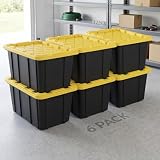
8. Craft a Kitchen from Plastic Storage Bins

The easiest cleanup ever! Pin this practical plastic bin idea.
Materials Needed
- 2 large, sturdy plastic storage bins with lids (e.g., 20-gallon totes)
- 1 wood or PVC plank for a countertop (PVC is a great weatherproof option)
- 1 smaller plastic bin for the sink
- A jigsaw (if you want an inset sink)
Step-by-Step Directions
- Set the Base: Turn the two large storage bins upside down in your desired location. They are now the legs of your kitchen.
- Add the Countertop: Lay your wood or PVC plank across the two bins.
- Add the Sink (Easy Method): Simply place the smaller bin on top of the counter to act as a loose sink.
- Add the Sink (Inset Method): If using a wood or PVC plank, trace the smaller bin and cut a hole with a jigsaw for a drop-in sink.
- Storage: Use the lids of the bins as serving trays or “cutting boards.” You can even store all the muddy toys inside one of the bins when playtime is over.
Pro-Tip: Choose bins that have a bit of a textured or reinforced lid design. When you turn them upside down, this texture can help grip the countertop plank and prevent it from sliding.
9. Build a “Mud Bar” from an Old Potting Bench

Found a free potting bench? Pin this perfect upcycling idea!
Materials Needed
- 1 old potting bench
- Sandpaper for spot-sanding
- A large bowl or basin for mixing
- Pots and pans, or small terracotta flower pots
Step-by-Step Directions
- Inspect and Clean: Find a used potting bench (check online marketplaces or garden centers). Clean it well and inspect for any sharp edges, rusty nails, or major splinters.
- Safety Sanding: You don’t need to sand the whole thing if you like the weathered look. Just spot-sand any areas that could cause splinters, particularly the main work surface.
- Place the “Sink”: Most potting benches have a lower shelf or a recessed area perfect for placing a large mixing bowl or basin.
- Stock the Shelves: This is the fun part! The built-in top shelf is perfect for organizing. Stock it with old pots and pans, measuring cups, and small terracotta pots for the ultimate garden play setup.
Pro-Tip: Lean into the gardening theme. Provide a small bag of potting soil (instead of just dirt), a child-sized watering can, and some seeds for a project that combines sensory play with a real-life lesson in horticulture.

10. Add a Working Sink with a Hand-Pump Tap

Upgrade your mud kitchen! Pin this guide for adding a working sink.
Supplies Needed
- 1 manual hand-pump tap (often sold as a camping water dispenser)
- A 5-gallon bucket with a lid
- A drill with a spade bit slightly larger than your tubing
- 3-4 feet of flexible vinyl tubing that fits your pump’s inlet
Step-by-Step Directions
- Position the Pump: Decide where you want your tap on the countertop, next to the sink. Trace the base of the pump.
- Drill the Holes: Drill a hole in the countertop large enough for the pump’s tubing to pass through. Also, drill a hole in the lid of your 5-gallon bucket.
- Install the Pump: Feed the pump’s tubing down through the hole in the counter. If the pump has screws, secure it to the countertop.
- Set up the Reservoir: Place the 5-gallon bucket on the shelf or ground beneath the counter. Feed the tubing through the hole in the bucket lid and push it all the way to the bottom.
- Fill and Pump: Fill the bucket with water and put the lid back on. Prime the pump by pumping it a few times, and you’ll have running water!
Pro-Tip: Place a second, empty bucket under your sink’s drain hole (if you drilled one) to create a self-contained greywater system. Kids love filling the sink and then watching it drain into the bucket below.

11. Transform an Old Laundry Sink

Spotted an old sink? Pin this brilliant and durable mud kitchen idea!
Materials Needed
- 1 old, freestanding utility or laundry sink
- Optional: A sturdy wooden board cut to size
Step-by-Step Directions
- Source the Sink: Keep an eye out for home renovations or check salvage yards for old freestanding laundry sinks.
- Clean and Place: Scrub the sink thoroughly. Place it in a stable location in your yard. The integrated legs make this incredibly easy.
- Create a Workspace: If you have a large single basin, the whole thing can be a mixing area. For a dedicated workspace, have a piece of thick, weatherproof wood (like cedar or a composite decking board) cut to fit over half of the sink basin. This gives kids a surface for “chopping” and mixing.
- Add Water: The existing faucet can be hooked up to a garden hose, or you can simply ignore it and provide a bucket of water.
Pro-Tip: Place a sturdy outdoor rubber mat in front of the sink. This will help contain some of the mud and prevent the main standing area from becoming a giant slip-and-slide.

12. Use Milk Crates and a Cookie Sheet

Need a temporary setup? Pin this quick and easy milk crate idea!
Materials Needed
- 2-4 sturdy milk crates
- 1 old metal cookie sheet or baking tray with a rim
- Optional: Zip ties
Step-by-Step Directions
- Stack the Crates: Create a base by stacking two milk crates. If you want a wider kitchen, create two separate stacks.
- Secure (Optional but Recommended): For better stability, use a few zip ties to lash the milk crates together.
- Add the “Sink”: Simply place the metal cookie sheet on top of the crates. The rim of the sheet perfectly contains water and mud, acting as a sink and countertop in one.
- Storage: The openings in the milk crates are perfect for storing buckets, shovels, and other toys.
Pro-Tip: This setup is incredibly portable. It’s perfect for taking to a grandparent’s house or even on a camping trip to create an instant, mess-friendly play zone.

13. Create a Simple Mud Pie Table

Perfect for little ones! Pin this toddler-safe mud pie table idea.
Materials Needed
- Scrap lumber (a piece of plywood for the top and some 2x4s for short legs)
- Wood screws and a drill
- Sandpaper
Step-by-Step Directions
- Cut the Wood: Cut a square or rectangular top from plywood (e.g., 2×2 feet). Cut four short legs from a 2×4 (e.g., 10-12 inches long).
- Sand Everything: Toddlers will touch everything. Thoroughly sand all pieces of wood until they are completely smooth and splinter-free.
- Attach the Legs: Screw the legs into the four corners on the underside of the tabletop. Ensure the table is stable and doesn’t wobble.
- Seal It: Paint or seal the table with a non-toxic, toddler-safe outdoor finish.
- Add Bowls: Instead of an inset sink, just provide several loose, unbreakable bowls (like old metal or silicone ones) right on the tabletop for mixing.
Pro-Tip: Use silicone muffin liners as mud pie molds. They are unbreakable, easy for little hands to use, and create perfectly shaped mud pies every time.

Key Takeaways: Your Quick Guide to a Budget DIY Mud Kitchen
- Upcycling is King: The best and cheapest DIY mud kitchen ideas come from recycled materials. Look for free wooden pallets (HT-stamped only), cinder blocks, or old furniture like nightstands and potting benches.
- Safety First: Sand and Seal. No matter the material, splinter prevention is critical. Thoroughly sand all wood surfaces. To protect against wood rot, seal the final project with a non-toxic, child-safe outdoor sealer or paint.
- “No-Build” is an Option: For a tool-free assembly, the cinder block and wooden board method is the fastest and easiest way to create a sturdy, low maintenance mud kitchen in minutes.
- Running Water is Easy: You can add a working sink to any design using a hand-pump tap from the camping section, a bucket, and some tubing. This single feature dramatically increases engagement.
- Think Beyond the Kitchen: A mud kitchen is more than a toy; it’s a sensory play station that promotes creativity, builds fine motor skills, and encourages open-ended play. Stock it with old pots, pans, and natural “loose parts” like pinecones and rocks.
- Consider the Height: For toddlers (1-3 years), a lower surface (around 20-24 inches) or even a floor-level mud pie table is ideal. For preschoolers (3-5 years), a taller counter (around 24-28 inches) is more comfortable.
People Also Ask About Cheap DIY Mud Kitchens
How do you make a mud kitchen for cheap?
The cheapest way to make a mud kitchen is by using upcycled or free materials. The “no-build” method using stacked cinder blocks and a scrap wood plank is often the most cost-effective. Another great option is finding free “HT” stamped wooden pallets from local businesses to build a sturdy frame.
What materials do I need for a DIY mud kitchen?
You’ll need a base structure, a countertop, and a “sink.” For the structure, use materials like wooden pallets, cinder blocks, scrap lumber, or an old nightstand. The countertop can be a wood plank or plywood. For the sink, an old stainless steel bowl or a cheap plastic tub works perfectly.
How do you waterproof a DIY mud kitchen?
To waterproof your wooden mud kitchen, you must seal it with a child-safe, non-toxic outdoor finish. Look for sealers or paints designed for decks or children’s playsets. Apply at least 2-3 coats, paying special attention to raw wood edges and the countertop to prevent wood rot protection.
What is the best wood for a mud kitchen?
Cedar or redwood are naturally rot-resistant and ideal, but they can be expensive. For a budget mud kitchen, common pine or fir (like in 2x4s or pallets) is perfectly fine as long as you seal it very well with a high-quality, non-toxic outdoor sealer. Always avoid pressure-treated wood made before 2003 for children’s projects.
Are mud kitchens worth it for toddlers?
Absolutely. Mud kitchens are fantastic for toddler development. They support sensory integration (feeling different textures), fine motor skills (scooping, pouring), creativity, and open-ended play. This type of messy play is highly recommended by child development experts for cognitive growth.
How do you make a mud kitchen without a pallet?
You have many options! You can use cinder blocks and a wood plank for a no-build kitchen. You can upcycle an old nightstand or TV console. You can also build a simple frame from scrap lumber like 2x4s, or even use sturdy plastic storage bins as a base.
What height should a toddler mud kitchen be?
A good height for a toddler (ages 2-3) mud kitchen countertop is between 20 to 24 inches. You want the child to be able to comfortably reach the sink and workspace without straining. For younger toddlers who prefer to sit, a low-to-the-ground mud pie table (10-12 inches high) is an excellent alternative.
What can I use for a mud kitchen sink?
Almost any waterproof basin will work. An old stainless steel mixing bowl is durable and easy to clean. A cheap plastic washing-up bowl or a small plastic storage tub from a dollar store is a great budget-friendly option. For a larger sink, look for used baby bathtubs.
How do I prevent splinters on a pallet mud kitchen?
Thorough sanding is the most critical step for splinter prevention. Use an electric orbital sander if possible. Start with a coarse 60 or 80-grit sandpaper to remove the rough surface and any loose fibers, then follow up with a finer 120 or 150-grit sandpaper to make it smooth to the touch.
Is mud play safe for children?
Yes, mud play is generally considered safe and beneficial. To ensure safety, use clean topsoil or potting soil rather than dirt from an unknown area. Supervise children to ensure they don’t eat the mud. After playtime, a thorough handwashing is all that’s needed. The benefits for their immune system and sensory development are significant.
Final Thoughts on Your Awesome DIY Mud Kitchen
Building a cheap DIY mud kitchen is one of the most rewarding projects you can undertake for your child. It’s an affordable, sustainable way to create a powerful tool for learning and imagination right in your own backyard. Remember, the goal isn’t perfection; the rustic charm of a homemade mud kitchen is part of its magic. You’re not just building a play structure; you’re creating a sensory play station that will host countless hours of creative exploration, scientific discovery, and joyful, messy fun. So pick an idea that inspires you, gather your materials, and get ready to make something wonderful. Which of these ideas will you try first?
Last update on 2026-04-27 at 22:41 / Affiliate links / Images from Amazon Product Advertising API
