
As an Amazon Associate KitchenwareSets.com earns from qualifying purchases.
DIY Backyard Bar and Grill: Stunning Setup for Outdoor Hosts
Do you dream of hosting summer cookouts without paying massive contractor fees? Building a stunning DIY Backyard Bar and Grill solves your budget constraints and transforms limited patio space. You can create a luxurious backyard tavern today.
A DIY backyard bar and grill is a custom-built outdoor kitchen structure that combines a food preparation area with a social seating space. To build one safely, you must frame a level base, install non-combustible substrates around the cooking zone, integrate proper propane ventilation, and finish with weatherproof countertops and cladding.
Drawing from established building code compliance and rigorous fire safety standards, this guide ensures absolute structural integrity. You will discover exactly how to construct your own custom grilling station from scratch. Master this project to save money and host unforgettable gatherings all year long.
Contents
show
DIY Backyard Bar and Grill: Stunning Setup for Outdoor Hosts
A holistic approach to outdoor entertaining: Building a customized backyard kitchen requires merging high-end aesthetics with rigorous safety constraints. Many homeowners desperately want a beautiful backyard watering hole but fear the massive contractor price tag. Budget constraints and limited yard space often stop these summer projects before they even start. This comprehensive guide covers a step-by-step build for your ultimate cookout station.
We prioritize building code compliance, fire safety standards, and structural integrity above all else. By focusing on essential load-bearing capacity and strict gas safety protocols, you can safely execute this advanced project. Unlike basic image galleries found online, this guide bridges the gap between beautiful design and technical reality. Get ready to transform your patio into an incredible outdoor entertainment hub updated with the latest best practices for August 2026.
9 Essential Steps for a Stunning DIY Backyard Bar and Grill Setup
Executing your construction workflow: Transforming an empty patio into a durable summer kitchen requires a strict, sequential approach. Before gathering materials, you must decide between a wood or metal frame to support your structure. A wood frame using pressure-treated lumber is budget-friendly, easy to assemble, and widely accessible for weekend warriors.
However, galvanized steel frames offer unmatched termite resistance and completely eliminate the risk of wood rot over time. Both methods will easily support heavy stone-veneer and granite counters when properly leveled. By following these nine exact steps, you ensure every structural support and moisture barrier is correctly placed. Let us explore the ultimate step by step guide for measuring, framing, and installing your new backyard hosting area.
1. Blueprinting and Measuring Your DIY Outdoor Kitchen Layout

Save this layout inspiration to your DIY Outdoor Living board for later!
Mapping out your structural foundation: Proper blueprinting prevents costly spatial mistakes before you ever purchase lumber. A well-planned L-shaped layout easily accommodates bar stools while maximizing limited patio space. You must determine exact safety clearances from combustible home siding to maintain building code compliance. Mapping out unlevel ground issues early ensures your foundation prep goes smoothly.
Materials Needed
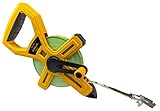
- Heavy-duty 100-foot fiberglass measuring tape
- Landscape marking spray paint or chalk line
- 4-foot carpenter’s level
- Professional graphing paper and architectural pencils
- Wood stakes and high-visibility masonry string
Step-by-Step Directions
- Measure the total available footprint on your deck or paver patio, ensuring at least 36 inches of walkway clearance behind the bar seating area.
- Mark the exact placement of your built-in grill, maintaining a strict 24-inch safety clearance from any existing vinyl siding or combustible structures.
- Outline the perimeter of your L-shaped or straight island using landscape spray paint directly onto your foundation prep area.
- Check the slope of your ground using a 4-foot level; record the grade drop so you can plan to build a level frame on unlevel ground.
- Finalize your blueprinting by calculating the exact dimensions of your appliances (grill cutout, access doors, and drop-in cooler) before buying lumber.
What most guides miss: When planning your layout, always account for the “dead load vs live load” of your materials. If building on an elevated deck, ensure your joists can handle the sheer weight of a fully finished stone-veneer island and a heavy built-in grill.
2. Framing the L-Shaped Bar Base with Pressure Treated Lumber

Pin this sturdy framing guide to your DIY projects board!
Building a solid skeleton: The frame and studs provide the necessary structural support for your heavy outdoor kitchen. You must construct a level, square base that will not warp or collapse over time. Pressure treated lumber is absolutely required for ground-contact structural integrity and long-term termite resistance. Understanding load-bearing capacity guarantees your structure can handle thick stone surfaces securely.
Materials Needed
- 2×4 pressure-treated lumber (rated for ground contact)
- 2.5-inch polymer-coated heavy-duty exterior wood screws
- Galvanized steel corner braces and joist hangers
- Wood shims for precision leveling
- Circular saw or miter saw for cutting
Step-by-Step Directions
- Begin by cutting your pressure-treated 2×4 base plates to match the exact dimensions mapped out during your blueprinting phase.
- Lay out your base plates on the patio and secure them together using galvanized steel corner braces to ensure perfect 90-degree angles.
- Cut your vertical studs to your desired bar height (typically 42 inches for the bar side and 36 inches for the grill prep side), subtracting the thickness of your top and bottom plates.
- Attach the vertical studs to the base plate every 16 inches on center, driving exterior wood screws diagonally (toe-nailing) for maximum holding power.
- Secure the top plate to the studs, using wood shims beneath the base plate to fix any unlevel ground issues before permanently anchoring the frame to the patio.
Expert insight: Always use polymer-coated or stainless steel screws when framing with pressure-treated lumber. The chemicals used for termite resistance will rapidly corrode standard zinc screws, leading to structural sagging and eventual failure.

3. Installing Non-Combustible Substrates for Fire Safety

Don’t skip this crucial safety step—save it to your BBQ Island plans!
Shielding the wood from extreme heat: Installing cement board siding creates vital heat protection for your combustible framing materials. Fire safety standards dictate that standard drywall or plywood must never be used near the high-heat grilling station. The cement board protects the wooden frame, while an insulated grill jacket further insulates the cavity. This non-combustible barrier prevents catastrophic fires caused by unseen thermal transfer.
Materials Needed
- 1/2-inch outdoor-rated cement board siding panels
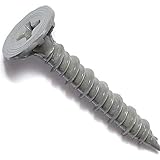
- 1 1/4-inch self-tapping cement board screws (alkali-resistant)
- Fiberglass alkali-resistant seam tape
- Carbide-tipped scoring knife or masonry saw blade
- Stainless steel insulated grill jacket (if required by grill manufacturer)
Step-by-Step Directions
- Measure the exterior dimensions of your framed structure and mark these measurements onto your 1/2-inch cement board panels.
- Score the cement board deeply with a carbide-tipped knife, then snap it cleanly along the scored line to create custom-sized cladding pieces.
- Position the cut boards against the frame and drive the alkali-resistant screws every 8 inches along the studs, ensuring the screw heads sit flush with the surface.
- Tape all the joints and corners where the boards meet using the fiberglass seam tape to create a unified, crack-resistant surface ready for stone veneer.
- Install your stainless steel insulated grill jacket into the designated grill cutout if your built-in grill requires a zero-clearance heat shield to protect the surrounding combustible wood framing.
An often-overlooked strategy: Thermal expansion is a critical factor in outdoor kitchens. Leave a 1/8-inch gap between your cement board panels before taping the seams. This allows the boards to expand and contract with seasonal temperature changes without cracking your expensive exterior finish.
4. Mounting the Heavy-Duty Granite or Concrete Countertops

Pin these stunning outdoor countertop ideas for your backyard makeover!
Securing your luxurious prep surface: Mounting a durable stone top transforms the structure into a functional, weatherproof kitchen. The granite countertop rests firmly on the base, secured permanently by exterior-grade adhesive. You must calculate the proper countertop height to comfortably accommodate outdoor bar stools without tipping hazards. Concrete counters provide a fantastic alternative, but both require a perfectly level foundation for stability.
Materials Needed
- Custom-cut granite slab or pre-cast concrete countertops
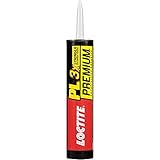
- Premium exterior-grade polyurethane construction adhesive
- Heavy-duty caulking gun
- High-density foam shims or composite shims
- Clear, UV-resistant silicone caulk for edge sealing
Step-by-Step Directions
- Dry-fit the heavy-duty countertop onto the cement-board-clad frame with the help of at least two other people, ensuring your bar overhang does not exceed 10-12 inches without additional bracket support.
- Check the surface with your 4-foot level; if adjustments are needed, place high-density composite shims underneath the stone until perfectly flat.
- Lift the countertop slightly and apply generous, snake-like beads of exterior-grade construction adhesive directly to the top plates of your wooden frame.
- Carefully lower the granite or concrete top back down, pressing firmly to compress the adhesive, and allow it to cure undisturbed for a full 24 hours.
- Seal the seam where the countertop meets any vertical walls or backsplashes using clear, UV-resistant silicone caulk to prevent water intrusion.
Pro-Tip: If pouring your own DIY concrete counters, always vibrate the molds thoroughly to remove trapped air bubbles, and seal the finished surface with a food-safe, penetrating stone sealer to prevent permanent grease stains from your grill.
5. Housing the Built-in Grill and Propane Tank with Proper Venting

Safety first! Pin this guide on how to properly vent an outdoor grill island.
Managing gas safety and heat dispersal: Safely housing the built-in grill inside the island cavity is the most critical technical step. When utilizing a hidden-tank design, propane and ventilation management becomes a matter of strict gas safety protocol. Built-in units require stainless steel vents to release trapped gases efficiently. Because propane is heavy, low venting prevents explosive gas from pooling silently inside your beautiful structure.
Materials Needed
- Stainless steel built-in gas or charcoal grill
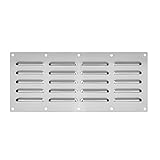
- 304 stainless steel louvered island vent panels (at least two)
- Propane tank pull-out drawer mechanism
- Flexible gas-rated supply line and leak-detector spray
- Heat-resistant silicone sealant
Step-by-Step Directions
- Slide your built-in grill into the countertop cutout, ensuring it rests securely on the flanges and has the manufacturer-specified air gap around the firebox.
- Install the pull-out drawer mechanism in the lower cabinet area to create a hidden-tank storage space that allows easy access for swapping heavy propane cylinders.
- Cut two rectangular holes into the lower portion of your island’s cement board—one on the left side and one on the right—to accommodate your louvered vent panels.
- Mount the stainless steel vents securely; because propane gas is heavier than air, these vents must be placed at the lowest possible point to allow leaking gas to escape safely.
- Connect your flexible gas line to the grill, turn on the tank, and aggressively spray the connection joints with leak-detector soapy water—if bubbles form, tighten immediately before use.
What most guides miss: The industry standard for ventilation ratios dictates a minimum of 20 square inches of venting for every specific cubic area of the island interior. Never build a fully enclosed, sealed unit if you are housing a propane or natural gas tank inside.
6. Setting Up a Built-in Drop-In Beverage Cooler Area

Elevate your hosting game! Save this built-in cooler hack for your backyard tavern.
Integrating high-end refreshment features: Installing a drop-in cooler eliminates the need for ugly plastic coolers cluttering your beautiful patio. The beverage cooler drops directly into the bar top, creating a seamless and luxurious entertainment station. However, you must implement proper PVC plumbing to manage the inevitable ice melt. Solving these drainage issues correctly ensures water routes away from the wooden base, completely preventing internal moisture damage.
Materials Needed
- 304 Stainless steel drop-in ice chest / beverage cooler
- 3/4-inch PVC drainage pipe and matching elbows
- PVC primer and cement
- Plumber’s putty or silicone sealant
- French drain rocks (if routing water into the garden)
Step-by-Step Directions
- Measure the internal cutout dimensions of your drop-in cooler and trace them onto your countertop before cutting the opening with a specialized stone or wood blade.
- Apply a thin bead of silicone sealant or plumber’s putty underneath the lip of the stainless steel cooler to create a waterproof barrier against the countertop.
- Lower the cooler smoothly into the cutout, pressing down firmly to ensure the lip sits flush and securely seals against the surface.
- Attach the provided drainage hose to the threaded fitting at the bottom of the cooler, ensuring a tight seal to prevent interior leaks.
- Plumb the 3/4-inch PVC pipe from the cooler’s drain output, routing the water on a downward slope through the base of the island and out into a nearby garden bed or French drain.
Expert insight: If you opt for an electric outdoor fridge instead of an ice chest, ensure you comply with the “gfci outlet requirement” for all exterior electronics. Never plug an outdoor refrigerator into an ungrounded or non-GFCI protected extension cord.

7. Cladding the Island with Stone Veneer or Reclaimed Wood

Transform your frame into a luxury BBQ island! Pin this stone veneer cladding step.
Achieving a professional-grade aesthetic finish: Cladding your bare structure dramatically upgrades the entire aesthetic of your landscape feature. Using polymer-modified mortar firmly adheres the heavy stone-veneer directly to your cement board backing. This technique provides a luxury exterior finish that mirrors expensive professional installations. For those preferring a different style, using rustic reclaimed wood offers excellent pallet bar ideas while still requiring similar foundational care.
Materials Needed
- Manufactured stone veneer flats and pre-cast corner pieces
- Polymer-modified stone veneer mortar
- Notched masonry trowel and pointing trowel
- Metal lath (if not applying directly to cement board)
- Masonry saw or angle grinder with a diamond blade
Step-by-Step Directions
- Mix your polymer-modified mortar in a bucket with water until it reaches the consistency of thick peanut butter—it should hold its shape on the trowel without sliding off.
- Apply a thin “scratch coat” of mortar directly onto your cement board, using the notched side of your trowel to create horizontal grooves for better grip.
- Start your installation at the outside corners, alternating the long and short returns of the pre-cast corner pieces to create an authentic, staggered masonry look.
- “Back-butter” the flat veneer pieces by applying a half-inch layer of mortar to the entire back surface before pressing them firmly into the wall with a wiggling motion.
- Work your way from the bottom up, cutting custom pieces with a diamond-blade angle grinder to fit snugly around your stainless steel vents and access doors.
Pro-Tip: If building a “rustic” style bar using reclaimed wood instead of stone, ensure you install a breathable moisture barrier wrap over your frame first. This allows water that penetrates the wood slats to drain away rather than rotting the structural studs.

8. Sealing and Weatherproofing the Bar Surface

Protect your hard work from the elements! Pin these vital weatherproofing tips.
Defending against sun, rain, and snow: Sealing your investment ensures your custom build looks pristine for years to come. Applying exterior spar urethane properly seals the cedar wood top, preventing catastrophic moisture damage during heavy rains. Polyurethane sealants provide the necessary chemical flexibility to withstand extreme outdoor temperature fluctuations. This vital weatherproofing step completely blocks harsh UV rays, saving your beautiful stain from becoming a fading finish.
Materials Needed
- Marine-grade exterior spar urethane (satin or gloss)
- High-quality natural bristle paintbrush
- 120-grit and 220-grit orbital sanding discs
- Tack cloths for dust removal
- Exterior-grade wood stain (optional, for color customization)
Step-by-Step Directions
- Sand your cedar or reclaimed wood bar top thoroughly, starting with 120-grit paper to remove rough edges and finishing with 220-grit for a glass-smooth surface.
- Wipe the entire surface down with a sticky tack cloth to remove every particle of sawdust; any leftover dust will create permanent, gritty bumps under your clear coat.
- Apply your choice of exterior wood stain using a rag, wiping off the excess after 5 minutes, and allow it to dry completely according to the manufacturer’s timeline.
- Brush on your first coat of marine-grade spar urethane using long, even strokes, maintaining a “wet edge” to prevent overlapping brush marks from drying unevenly.
- Allow the first coat to dry, lightly scuff-sand the surface with 220-grit paper, wipe with a tack cloth, and apply 2 to 3 additional coats for ultimate moisture and UV protection.
An often-overlooked strategy: Never use standard interior polyurethane sealants on a backyard tavern. Outdoor wood goes through extreme thermal expansion and contraction; exterior “spar urethane” contains specialized oils that allow the finish to flex with the wood rather than cracking and peeling.
![[2 Pack] Ultimate Satin Clear Water-Based Spar Urethane 1 qt with Plastic Drop Cloth - Non-Yellowing Marine Grade Finish - Exterior Varnish, Clear Top Coat, UV Protection](https://m.media-amazon.com/images/I/41Fx9i1AvqL._SL160_.jpg "Diy Backyard Bar And Grill: Stunning Setup For Outdoor Hosts 16")
9. Installing Bar Stools and Backyard Lighting for Ambiance

Finish the look! Save these incredible outdoor lighting and seating ideas.
Styling your new hosting destination: Finalizing your build requires shifting focus to aesthetic styling and comfort. Installing comfortable bar stools that tuck neatly under the overhang transforms a construction project into a welcoming alfresco dining area. Draping commercial string lights illuminates the pergola and casts a warm, inviting glow over the stone. This perfect lighting and ambiance completes your ultimate outdoor entertainment space.
Materials Needed
- Weatherproof outdoor bar stools (aluminum or treated teak)
- Commercial-grade LED outdoor string lights
- Heavy-duty exterior light hanging wire and hooks
- Outdoor-safe extension cords or low-voltage transformer
- Under-counter LED strip lighting (waterproof)
Step-by-Step Directions
- Measure the final height of your completed bar top from the patio floor; purchase 30-inch seat height stools for a standard 42-inch bar, or 24-inch stools for a 36-inch counter.
- Space your bar stools evenly, allowing a minimum of 24 to 28 inches of width per stool so your guests have plenty of elbow room while eating.
- Install waterproof LED light strips underneath the countertop overhang, securing them with exterior mounting clips to provide subtle, glare-free illumination on the stone veneer.
- Mount heavy-duty screw hooks into surrounding trees, your home’s fascia, or a nearby patio cover to create anchor points for your overhead lighting.
- String your commercial-grade LED patio lights back and forth over the bar area, keeping them high enough to clear the grill’s smoke path and plugging them into a GFCI outlet.
Pro-Tip: When planning your “backyard hosting area”, aim to buy bar stools with backrests and footrests if you plan on serving full dinners. Backless stools look sleeker when tucked away, but guests will rarely sit on them comfortably for more than 45 minutes.
Key Takeaways: Your Quick Guide to DIY Backyard Bar and Grill Success
- Plan Your Safety Clearances First: Always map out your DIY Backyard Bar and Grill ensuring a strict 24-inch safety clearance between your high-heat cooking station and any combustible home siding or patio covers.
- Never Skimp on Structural Support: Use pressure-treated lumber rated for ground contact or steel studs to build your frame; standard interior wood will succumb rapidly to moisture damage and wood rot on a patio.
- Fireproof the Cooking Zone: Surrounding your built-in grill with non-combustible substrates like cement board siding and an insulated heat jacket is a non-negotiable fire safety standard.
- Ventilate Propane Tanks Properly: If housing a hidden-tank propane cylinder inside your island, you must install stainless steel louvered vents at the lowest point of the structure to prevent explosive gas pooling.
- Account for Countertop Weight: Whether choosing granite vs concrete counters, ensure your frame is perfectly leveled with shims and securely anchored to handle the immense dead load of stone materials.
- Use Flexible, Marine-Grade Sealants: Protect your cedar or reclaimed wood elements with exterior spar urethane, which flexes with thermal expansion instead of cracking under freezing winters and harsh UV rays.
- DIY vs Prefab BBQ Island Savings: While a custom grill station build requires sweat equity and careful measuring, sourcing your own materials and appliances can save you upwards of 60% compared to hiring professional installation or buying a pre-fabricated kit.
People Also Ask About DIY Backyard Bar and Grill Builds
How to build a diy backyard bar?
To build a DIY backyard bar, you must first construct a sturdy, level frame using pressure-treated 2×4 lumber or galvanized steel studs.
Next, sheath the exterior frame with cement board to provide a fireproof, solid backing. Install your heavy-duty countertops (like granite or poured concrete), then slide in your built-in grill and appliances. Finally, finish the structure by cladding the cement board with decorative stone veneer or weatherproofed reclaimed wood, and hook up your gas and plumbing lines safely.
What is the best wood for an outdoor grill station?
The best woods for an outdoor grill station are pressure-treated pine for the hidden structural framing, and cedar, redwood, or teak for the visible exterior finishing.
Pressure-treated lumber contains chemical preservatives that make it highly resistant to termite damage and ground-contact wood rot. For the exterior cladding and bar tops, cedar heartwood is an industry standard because it contains natural oils that naturally repel moisture and insects, preventing warping and decay over time.
How do you weatherproof an outdoor bar?
You weatherproof an outdoor bar by applying multiple coats of marine-grade exterior spar urethane to all exposed wood surfaces.
Unlike standard interior sealants, spar urethane is formulated with higher oil ratios, allowing it to flex with the wood during extreme temperature fluctuations without cracking. Additionally, you must use clear, UV-resistant exterior silicone caulk to seal all gaps where countertops meet the siding or backsplash, preventing rain water from seeping into the interior framing and causing unseen mold.
How to vent an outdoor grill island?
To vent an outdoor grill island safely, you must install stainless steel louvered vent panels on at least two sides of the structure’s base.
According to gas safety protocols, if you are using a liquid propane tank stored inside the cabinet, the vents must be placed at the lowest possible point (near the patio floor) because propane is heavier than air and sinks. For natural gas, which is lighter than air, vents should be placed higher up near the countertop level.
Should I use cedar or pressure treated wood for a bar?
You should use pressure-treated wood for the hidden internal frame and cedar for the visible exterior cladding and bar top.
Never use pressure-treated wood for surfaces where food is prepared or served, as the chemical treatments can be toxic. Cedar is perfectly safe for countertops and provides a beautiful, rustic look while offering natural resistance to decay. Combining the structural integrity of a treated frame with the beauty of a cedar finish gives you the best of both materials.
How to install a built-in cooler?
To install a built-in cooler, cut a precise drop-in hole in your countertop, seal the rim with silicone, and route a PVC drainage pipe from the cooler’s bottom drain.
The biggest mistake DIYers make is letting the melting ice drain directly onto the wooden frame inside the cabinet, causing rapid wood rot. Always plumb a 3/4-inch PVC pipe from the stainless steel ice chest’s drain spigot, angling it downward to route the excess water completely out of the island and into a garden bed.
What are the best outdoor countertop materials?
The best outdoor countertop materials are granite, poured concrete, soapstone, and porcelain slabs due to their extreme durability and heat resistance.
Granite stands out because it won’t fade under direct sunlight and can easily handle hot grill tools. Concrete offers a modern, customizable aesthetic but requires regular sealing to prevent grease stains. Avoid using quartz or marble outdoors; the resins in manufactured quartz will yellow in UV sunlight, and soft marble will quickly etch and stain from acidic BBQ sauces.
How to hide a propane tank in a diy bar?
You can hide a propane tank in a DIY bar by framing a dedicated storage cabinet underneath the counter and installing a heavy-duty pull-out drawer mechanism.
This allows you to keep the ugly tank completely out of sight behind a stainless steel access door, while the sliding drawer makes it ergonomically easy to pull the heavy cylinder out for refilling. Just remember that any enclosed space holding a propane tank must feature adequate low-level cross-ventilation to prevent explosive gas build-up.
Do I need a permit for a backyard bar?
Whether you need a permit for a backyard bar depends entirely on your local municipality, the project’s size, and whether you are running new electrical, plumbing, or gas lines.
Simple, freestanding pallet bars or wood stations usually do not require permits. However, building a permanent masonry BBQ island that requires trenching for a dedicated natural gas line, pouring a new concrete foundation, or tapping into your home’s main plumbing system will almost always require formal building permits and local code inspections.
Is granite or concrete better for outdoor bars?
Granite is generally better for outdoor bars because it is naturally highly dense, requires less maintenance, and resists grease stains far better than porous concrete.
While concrete allows for incredible DIY customization and lower upfront material costs, it is prone to hairline cracking from thermal expansion and easily absorbs stains if the sealant wears off. Granite costs more and is much heavier to mount, but it provides a superior, worry-free luxury finish that will outlast the underlying structure.
Final Thoughts on Creating Your Ultimate DIY Backyard Bar and Grill
Building your own DIY Backyard Bar and Grill is one of the most rewarding home improvement projects you can undertake. While the prospect of pouring concrete, framing lumber, and dealing with gas lines might seem daunting at first, breaking the project down into these manageable, sequential steps transforms a massive undertaking into an achievable weekend warrior triumph. By choosing to build rather than buy, you not only save thousands of dollars, but you gain the freedom to customize every square inch of your backyard tavern to fit your exact hosting style.
Remember that the secret to a professional-grade outdoor kitchen lies entirely in the prep work. Taking the time to blueprint meticulously, over-engineer your load-bearing frame, and adhere strictly to fire safety standards ensures that your new outdoor entertainment hub isn’t just beautiful—it’s built to last for decades. Whether you opt for rustic reclaimed wood or luxury stone veneer, your completed cookout station will undoubtedly become the centerpiece of your summer gatherings and family celebrations.
Are you planning a compact, space-saving grilling station or going all-out with an L-shaped BBQ island complete with a built-in kegerator? Let us know what features you are most excited to build in the comments below, and don’t forget to share photos of your finished backyard transformations!
Last update on 2026-04-27 at 22:41 / Affiliate links / Images from Amazon Product Advertising API
