
As an Amazon Associate KitchenwareSets.com earns from qualifying purchases.
11 Open Space Living Kitchen Floor Plans: Apartment Designs
Dreaming of a spacious, airy apartment but limited by your actual square footage? You’re not alone. Many apartment dwellers grapple with cramped, disjointed rooms that feel anything but modern or inviting, especially when it comes to the crucial open space living room and kitchen area.
An open concept floor plan for an apartment is a design that removes walls between the kitchen, living room, and often the dining area, creating a single, multifunctional space. This approach maximizes natural light, enhances the feeling of spaciousness, and promotes a more social and connected living environment. It transforms a compact footprint into a fluid and expansive home.
Based on established interior design standards and proven layouts, this guide provides actionable apartment design ideas to help you master your space. You’ll discover how to create distinct functional zones, optimize storage, and solve common open-plan challenges. Get ready to transform your apartment into a beautiful, cohesive, and highly functional home.
Contents
show
Maximize Your Apartment Space: 11 Open Space Living Kitchen Floor Plans That Work
An apartment open plan layout is the ultimate solution for modern urban living, but its success hinges on smart design. The goal is to create a seamless flow between your kitchen and living areas while ensuring each zone remains distinct and functional. This requires more than just tearing down a wall; it involves a thoughtful approach to furniture arrangement, lighting, and storage. By integrating elements like kitchen islands and consistent flooring, you can establish visual cues that define each area without sacrificing the open, spacious feel. This section will explore proven layouts and solutions tailored for the compact footprint of an apartment, addressing key challenges like clutter management, noise reduction, and smell containment to help you achieve a truly cohesive design.
11 Open Space Living Kitchen Floor Plans: Apartment Design Ideas
Creating a successful open concept kitchen living room combo in an apartment is all about strategic implementation. These 11 floor plan ideas and design strategies will guide you through the process, from establishing functional zoning to selecting the right versatile furniture. Each idea is designed to help you optimize your small apartment open concept for both beauty and practicality. We’ll explore how simple additions like area rugs and complex solutions like zonal lighting circuits can work together to build a harmonious and highly livable space. These are not just abstract concepts; they are actionable steps you can take to craft your ideal open space living room and kitchen.
1. Define Zones with Area Rugs & Furniture Arrangement

Pin this genius hack to your ‘Dream Apartment Layouts’ board!
One of the simplest yet most effective ways of zoning an open plan room is by using area rugs for open concept spaces and strategic furniture arrangement small apartment dwellers can easily implement. These elements act as visual anchors, creating the illusion of separate rooms without physical barriers. A large rug clearly signals “this is the living room layout,” while the placement of a sofa can create a soft boundary. This approach maintains the uninterrupted views and airy atmosphere of an open plan while bringing order and definition to your multifunctional space.
Elements Needed
- Large Area Rugs: Minimum 8×10 for living areas, chosen for texture and cohesive design, defining the living room layout.
- Modular Sofa/Sectional: Adaptable versatile furniture that can be reconfigured to face different directions or to block off an area.
- Console Table or Low Bookshelf: To act as a subtle divider behind a sofa, creating a soft boundary between spaces.
- Accent Chairs: To complement the sofa arrangement and fill in conversational groupings.
Arrangement Steps
- Anchor the Living Zone: Place the largest area rug in the center of your designated living space. Ensure front legs of primary furniture pieces (sofa, chairs) rest on the rug.
- Orient Main Seating: Arrange your modular sofa to face away from the kitchen, towards a focal point (e.g., TV or window), subtly signaling the end of the living room layout.
- Create Pathways: Ensure at least 3 feet of clear space for circulatory paths around furniture and between zones, maintaining seamless flow.
- Add Soft Dividers: Position a console table or low, open-back bookshelf behind your sofa to provide a visual break and additional surface area, offering hidden storage if desired.
- Layer with Accents: Integrate accent chairs and side tables to complete the seating arrangement, maintaining a light-colored decor to enhance the spacious feel.
Pro-Tip: For optimal spatial syntax in apartment open plan layout, ensure the rug is large enough to encompass all primary living room furniture (sofa, chairs, coffee table). This physically and visually anchors the zone, preventing a ‘floating’ look and strengthening the defined spaces principle.

2. Integrate a Multifunctional Kitchen Island or Peninsula

Save this multifunctional island idea for your next apartment renovation!
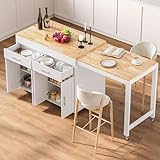
A kitchen island apartment solution is more than just extra counter space; it’s a hardworking kitchen living room divider and a social hub. In a small apartment open concept, a well-chosen island or peninsula can define the kitchen’s boundary, provide a breakfast bar small kitchen owners will love, and offer much-needed storage solutions. This single piece of furniture acts as a perfect transition between cooking and relaxing zones, making it one of the most powerful multifunctional space solutions.
Materials & Components
- Compact Kitchen Island or Peninsula: Look for modular kitchen systems or islands with a depth of 24-30 inches, featuring hidden storage (drawers, shelves) and an overhang for seating.
- Bar Stools: 2-3 backless or low-back stools that can tuck neatly under the overhang, emphasizing a minimalist style.
- Pendant Lighting: 1-2 small pendant lighting fixtures to hang above the island, creating a visual accent and task lighting.
Integration Process
- Measure and Plan: Measure the available space meticulously, ensuring at least 36 inches of clearance around the island for comfortable circulatory paths and an efficient ergonomic kitchen workflow.
- Select the Right Type: Choose between a fixed island, a portable island (good for renters), or a peninsula attached to a wall, depending on your apartment layout and renovation flexibility.
- Anchor the Zone: Position the island to naturally bridge the kitchen and living room, using its form to visually separate kitchen and living room in open plan.
- Incorporate Seating: Place bar stools on the living room layout side of the island to create a casual dining area or workspace, defining this new social hub.
- Add Lighting: Install pendant lighting directly above the island. This not only provides task lighting but also draws the eye, further establishing the island as a focal point alignment.
Pro-Tip: When choosing an apartment kitchen island, consider options with concealed appliances or built-in waste bins to maintain a clutter management aesthetic and prevent visual noise in your unified room.
3. Optimize Storage with Vertical Solutions

Declutter your small apartment with these smart vertical storage ideas!
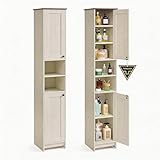
In an open concept apartment, effective clutter management is non-negotiable. The best way to maximize small space is to think vertically. Vertical storage apartment solutions, like floor-to-ceiling storage cabinets or tall, slim bookshelves, draw the eye upward, creating the illusion of height and space. These hidden storage solutions are key to maintaining a clean, minimalist style across your open space living room and kitchen.
Storage Solutions
- Tall, Slim Bookshelves: Freestanding or wall-mounted units that draw the eye up, offering ample space for books, decor, and even kitchen overflow items.
- Integrated Wall Cabinetry: Custom or semi-custom storage cabinets that blend into the wall, potentially extending from the kitchen into the living room layout, providing hidden storage.
- Floating Shelves: Strategically placed above appliances or seating areas for lightweight items and decorative accents.
- Storage Ottomans/Benches: Multifunctional space furniture that offers seating and hidden storage to reduce visual clutter.
Optimization Methods
- Assess Vertical Space: Identify all available wall space from floor to ceiling in both the kitchen and living room, particularly transitional areas.
- Integrate Built-ins: For a truly seamless flow, consider integrated wall cabinetry that matches the kitchen cabinets or general color scheme, creating a unified look.
- Mix Open & Closed: Combine open shelving for decorative elements (e.g., plants, art) with closed cabinetry to keep everyday clutter management at bay.
- Maximize Cabinet Interiors: Install drawer organizers, pull-out pantry shelves, and cupboard risers to optimize every inch of internal cabinet space.
- Use Wall-Mounted Organizers: Attach magnetic knife strips, pot racks, or small spice racks to unused wall sections in the kitchen, freeing up counter space and enhancing ergonomic kitchen access.
Pro-Tip: When planning vertical storage in an open plan living room and kitchen, aim for consistent finishes and hardware. This creates a visually cohesive design that makes the entire unified room feel larger and more intentional, crucial for small space optimization.
4. Create Seamless Transitions with Cohesive Flooring

Flow through your apartment open plan with these flooring ideas!
Nothing creates a seamless flow apartment design quite like consistent, cohesive design flooring. Using a single flooring material, like hardwood flooring open concept style or luxury vinyl plank, throughout the kitchen and living room visually unites the space. This simple choice eliminates jarring transitions, enhances spatial continuity, and makes the entire multifunctional space feel significantly larger and more cohesive.
Flooring Types & Tools
- Engineered Hardwood Flooring: Durable and moisture-resistant, a popular choice for hardwood flooring in open concept kitchen living room combos, offering a warm and natural look.
- Luxury Vinyl Plank (LVP): Highly resilient, waterproof, and comes in various finishes, mimicking wood or tile, ideal for small apartment open concept living.
- Laminate Flooring: A cost-effective option that offers a wide range of styles and can be installed as a continuous surface.
- Underlayment: Essential for sound dampening and moisture barrier, especially in an apartment.
Installation/Transition Steps
- Choose a Single Material: Select one flooring type to span both the kitchen and living room to avoid jarring transitions and promote seamless flow. Light colors generally contribute to a spacious feel.
- Prepare the Subfloor: Ensure the subfloor is level, clean, and dry. Install an appropriate underlayment for sound insulation, crucial in apartment living.
- Plan Laying Direction: Determine the best direction to lay the flooring to visually elongate the space, typically running parallel to the longest wall.
- Install Continuously: Avoid transition strips between the kitchen and living room if possible with your chosen material, as this creates an uninterrupted view and reinforces the unified room concept.
- Consider Area Rugs: While the base flooring is continuous, integrate area rugs in the living room layout to define zones and add comfort, as discussed in Tip 1.
Pro-Tip: When choosing flooring for open plan kitchen living, consider material quality that offers both durability for high-traffic kitchen areas and comfort for the living space. LVP and engineered hardwood flooring provide excellent balance, contributing to overall property value and aesthetic.

5. Enhance Light & Space with Strategic Lighting

Brighten up your apartment open plan with these lighting ideas!
Strategic lighting for open concept spaces is crucial for both function and feel. A well-lit space always appears larger, and by using zonal lighting circuits, you can define different areas and set different moods. The goal is to layer ambient, task, and accent lighting to create a bright, airy atmosphere design that also accommodates focused activities like cooking or reading, all while maximizing natural lighting apartment windows provide.
Lighting Fixtures & Supplies
- Recessed Lighting: Provides uniform ambient light throughout the open space living room and kitchen, minimizing visual clutter.
- Pendant Lights: Ideal for task lighting over a kitchen island or breakfast bar, also serving as a decorative focal point alignment.
- Track Lighting: Flexible option for directing light where needed, especially in rectangular layouts.
- Floor Lamps/Table Lamps: For accent and ambient lighting in the living room layout, adding warmth and defining conversational areas.
- Smart Dimmer Switches: Essential for adjusting color temperature layering and brightness in different lighting zones.
Lighting Design Steps
- Plan Ambient Lighting: Install recessed or flush-mount fixtures evenly across the entire open concept floor plan to provide a general wash of light, creating a bright airy atmosphere.
- Define Task Zones: Position pendant lighting over the kitchen island or dining area for direct task illumination. In the living room, place table lamps next to seating for reading.
- Add Accent Lighting: Incorporate wall sconces or picture lights to highlight artwork or architectural features, adding depth to the apartment layout.
- Install Dimmers: Equip all lighting circuits with dimmer switches to allow for adjustable ambiance, from bright task lighting to a soft, cozy glow, enabling zonal lighting circuits.
- Maximize Natural Light: Keep window treatments minimal (sheer curtains, blinds) to allow maximum natural lighting during the day, further enhancing light and spacious feel.
Pro-Tip: In open space apartment living, zonal lighting circuits are key. Use separate dimmer controls for kitchen, dining, and living areas. This not only allows for flexible ambiance but also subtly reinforces the psychological boundaries of each defined space.

6. Use Room Dividers for Flexible Privacy

Create defined spaces in your apartment with smart room dividers!
While the beauty of an open plan is its lack of walls, sometimes a bit of separation is needed. This is where clever room dividers for open plan living come in. They are perfect lack of privacy solutions that offer visual separation without sacrificing the open feel. A well-chosen divider can separate kitchen and living room areas, creating a flexible space apartment dwellers will appreciate, especially for hiding a messy kitchen or creating a cozy corner.
Divider Types & Materials
- Slatted or Grid Dividers: Modern and airy, these non-structural partitions offer visual separation while allowing light to pass through. Available in wood, metal, or composite materials.
- Open Bookshelves or Shelving Units: Multifunctional space dividers that provide storage solutions and display space, effectively delineating areas.
- Folding Screens: Portable options for temporary privacy or to hide a kitchen mess when guests arrive.
- Curtains or Drapes: Ceiling-mounted tracks with floor-length curtains can offer soft, flexible separation for defined spaces.
Placement & Setup
- Identify Strategic Points: Determine where the visual break is most needed between your kitchen and living room, ensuring the divider doesn’t block essential circulatory paths.
- Choose Your Style: Select a room divider that complements your cohesive design and aesthetic. Slatted wood for a modern look, open shelves for additional storage.
- Ensure Stability: For freestanding units, ensure they are stable. If installing ceiling-mounted options (like curtains), check for suitable ceiling joists or use appropriate anchors.
- Allow for Light: Opt for dividers that don’t entirely block natural lighting, such as slatted screens or open shelves, to maintain an airy atmosphere in your apartment open plan.
- Integrate Functionality: If using a bookshelf as a divider, utilize it for storing living room items on one side and kitchen cookbooks or decor on the other, enhancing functional zoning.
Pro-Tip: For the ultimate in flexible privacy in open space living room and kitchen, consider custom-designed non-structural partitions. These can include sliding panels or pivot walls that completely disappear when not in use, offering the best of both open plan vs traditional layout worlds.

7. Select Space-Saving Furniture

Small space optimization starts with smart furniture choices!
The best furniture for open plan living is smart, scaled, and multifunctional. Choosing the right space-saving furniture apartment pieces is key to maintaining a sense of openness. Look for versatile furniture small apartment dwellers can adapt to their needs, such as a modular sofa small space can handle, nesting tables, or pieces with built-in hidden storage. The right furniture supports small space optimization without sacrificing style or comfort.
Key Furniture Pieces
- Modular Sofas/Sectionals: Highly versatile furniture that can be reconfigured into different living room layout shapes or separated for individual seating. Look for ones with hidden storage.
- Nesting Coffee Tables: Multiple tables of varying sizes that tuck into one another, providing flexible surface area that can be expanded or shrunk as needed.
- Wall-Mounted or Drop-Leaf Dining Tables: Fold away when not in use, freeing up precious floor space, ideal for a compact footprint in an apartment open plan.
- Storage Ottomans/Benches: Dual-purpose items offering extra seating, a footrest, and hidden storage for blankets or magazines, reducing visual clutter.
- Slim Console Tables: Perfect for entryways or behind sofas, offering a narrow surface without impeding circulatory paths.
Selection & Placement Tips
- Prioritize Multifunctionality: Choose furniture that serves more than one purpose, like a sofa bed, a desk that doubles as a console, or storage ottomans, for multifunctional space usage.
- Opt for Visual Lightness: Select pieces with slender legs, open bases, or transparent materials (glass, acrylic) to create a spacious feel and prevent the room from feeling weighed down.
- Measure Meticulously: Sketch out your apartment layout (including door swings and pathways) and measure before purchasing to ensure furniture arrangement fits without creating small space bottlenecks.
- Float Furniture: Instead of pushing everything against walls, arrange pieces to “float” in the center of the living room layout, allowing for circulatory paths behind them and defining areas.
- Utilize Verticality: Look for bookshelves or media units that extend upwards to draw the eye up, making the ceilings feel higher and optimizing storage.
Pro-Tip: When choosing space-saving furniture for an open concept kitchen living room, prioritize pieces with a small visual footprint. This includes items with narrow profiles, light colors, and exposed legs. This creates the illusion of more floor space, crucial for small apartment open concept living.

8. Design a Compact Dining Nook

Integrate a dining area into your small apartment open concept!
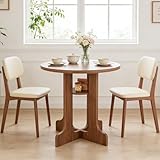
Even in the smallest apartments, a dedicated dining area open plan is possible. The solution is to create a compact dining nook apartment design that carves out a functional spot for meals without disrupting the flow. This is a far better option than just eating on the sofa and helps to integrate dining table small spaces can accommodate. By using corners, banquette seating, and small tables, you can create an intimate and practical dining area.
Nook Components
- Small Round or Square Table: A 30-36 inch table maximizes seating in a compact footprint compared to rectangular tables, ideal for dining area integration.
- Banquette Seating: Built-in bench seating along a wall or in a corner saves significant space compared to freestanding chairs and can offer hidden storage.
- Slim Dining Chairs/Stools: 2-3 chairs or backless stools that can be easily tucked under the table or stored when not in use.
- Pendant Light: A single, elegant pendant lighting fixture above the table to define the dining area and provide focused illumination.
Design & Layout Steps
- Identify Underutilized Space: Look for corners, short wall sections, or the end of a kitchen island where a compact dining nook can be carved out without obstructing circulatory paths.
- Consider Banquette Seating: Utilize a built-in banquette (either custom or off-the-shelf) along a wall or in an L-shape corner. This saves space and creates a cozy, defined space.
- Choose the Right Table: Select a round or square table that fits the nook comfortably, leaving enough room for diners to get in and out. Ensure it doesn’t create a small space bottleneck.
- Integrate Lighting: Hang a pendant lighting fixture directly over the center of the dining area to visually anchor the space and provide adequate illumination.
- Add Soft Furnishings: Layer with throw pillows and a small rug under the table (if space allows) to make the dining nook feel inviting and part of the cohesive design.
Pro-Tip: When integrating a dining table in small spaces within an open space living room and kitchen, consider an oval or round table. These shapes are more forgiving in tight quarters, allowing easier movement around them and contributing to seamless flow.
9. Implement a Harmonious Color Palette

Cohesive design for your apartment starts with the perfect color palette!
A harmonious color palette open plan strategy is essential for a cohesive design apartment. The right colors make open spaces look larger by creating visual continuity. Using a consistent palette of light-colored decor across both the kitchen and living areas tricks the eye into seeing one large, unified space, enhancing the airy atmosphere and modern aesthetic.
Color Palette Elements
- Primary Neutral Base Color: A light, warm white, soft gray, or greige for walls and large surfaces in both kitchen and living room, setting the foundation for a spacious feel.
- Secondary Accent Colors: 1-2 complementary or analogous colors (e.g., soft blues, muted greens, earthy tones) introduced through textiles, artwork, and smaller decor pieces.
- Metallic Accents: Gold, silver, or matte black hardware and fixtures to add subtle sophistication and consistency.
- Wood Tones: Natural wood elements (flooring, furniture, cutting boards) to add warmth and organic texture to the cohesive design.
Application Guide
- Choose a Base: Select one consistent light neutral color for the walls throughout the entire open space living room and kitchen to create spatial continuity and an airy atmosphere.
- Coordinate Kitchen Cabinetry: Ensure kitchen cabinets (or modular kitchen systems) are in a color that either matches the walls or complements the chosen palette (e.g., white cabinets with greige walls, light wood cabinets).
- Integrate Accents Thoughtfully: Introduce your secondary accent colors through throw pillows, blankets, artwork, and small decorative items in the living room layout, and via small appliances or dishes in the kitchen.
- Use Consistent Hardware: Maintain consistency in metallic finishes for cabinet pulls, pendant lighting fixtures, and curtain rods across both areas for a polished, cohesive design.
- Balance Warmth & Coolness: Ensure a balance of warm and cool tones to prevent either space from feeling sterile or overwhelming. For example, warm wood tones with cool gray walls.
Pro-Tip: When developing a harmonious color palette for an open plan, focus on a 60-30-10 rule: 60% dominant neutral (walls, large furniture), 30% secondary color (rugs, accent chairs, some kitchen cabinets), and 10% accent color (decor, throw pillows). This creates color palette cohesion without boredom.

10. Manage Noise & Smells Effectively

Solve noise and smell issues in your open concept apartment!
Two of the biggest challenges of open concept living are noise reduction open concept designs must address and smell containment kitchen areas require. Without walls, sound and odors travel freely. Proactive solutions are essential. A powerful ventilation hood for open kitchen spaces is non-negotiable, and strategic use of soft materials can achieve effective acoustic dampening apartment wide.
Solutions & Equipment
- High-CFM Ventilation Hood: A powerful, externally vented ventilation hood above the stovetop is essential for smell containment and removing airborne grease, crucial for any open concept kitchen.
- Acoustic Panels/Wall Art: Specially designed panels or thick, textured wall art to dampen sound and reduce echo in the living room layout.
- Soft Furnishings: Thick area rugs, heavy curtains, upholstered furniture, and throw blankets naturally absorb sound, contributing to noise reduction.
- Air Purifier: A high-quality air purifier with activated carbon filters can help neutralize lingering cooking odors, especially for strong-smelling foods.
Management Strategies
- Prioritize Ventilation: Install the most powerful ventilation hood you can for your apartment layout that vents outside. Use it before, during, and after cooking to effectively manage smell containment.
- Layer Softness: Incorporate multiple layers of soft furnishings like thick area rugs, plush sofas, and heavy drapes in the living room to absorb sound waves and reduce echoes, implementing acoustic dampening.
- Strategic Appliance Placement: When designing your kitchen, place noisy appliances (dishwasher, refrigerator) further away from the living room if possible to minimize noise transfer.
- Consider Acoustic Treatments: For significant noise issues, install discreet acoustic panels on walls or ceilings in the living room layout. Many designs now blend seamlessly with modern decor.
- Use Air Purifiers: Place an air purifier in the kitchen or a central part of the open space living room and kitchen to actively filter cooking odors, supplementing your ventilation hood.
Pro-Tip: To effectively combat smell containment in an open concept kitchen living room, always turn on your ventilation hood 5-10 minutes before you start cooking and leave it running for 10-15 minutes after. This creates a negative pressure zone that directs cooking odors away.

11. Incorporate a Smart Home Office Zone

Create a productive workspace in your small apartment open concept!
The rise of remote work means finding a place for a home office in open plan living is more important than ever. The key is to create a zone that’s functional for your work from home small space needs but doesn’t disrupt the living area’s aesthetic. Smart multifunctional space solutions, like hidden desks apartment designs can utilize, allow you to seamlessly integrate a productive workspace into your home.
Office Elements
- Wall-Mounted Fold-Down Desk: A small, discreet desk that folds away when not in use, ideal for hidden desks apartment solutions.
- Ergonomic Chair: A slim, armless chair that can tuck completely under the desk or be easily moved, ensuring ergonomic workflows.
- Floating Shelves: Above the desk for essential supplies, books, or a few decorative items.
- Storage Bins/Drawers: Small, enclosed hidden storage solutions that fit under the desk or on shelves to contain visual clutter.
- Task Lighting: A small, adjustable desk lamp.
Setup & Integration
- Identify a Niche: Look for an unused corner, a small wall section, or even a deep closet nook that can be converted into a home office zone within your open concept apartment.
- Install a Wall-Mounted Desk: Affix a fold-down or compact wall-mounted desk. This type of desk is ideal for small space optimization as it keeps the floor clear.
- Select a Slim Chair: Choose an ergonomic chair that complements your living room layout aesthetic and can be easily stowed away when your workday is done.
- Utilize Vertical Storage: Install a few floating shelves above your desk for office essentials and to keep your desktop clear, contributing to clutter management.
- Minimize Visual Clutter: Keep office supplies minimal and organized in enclosed containers. Ensure cords are neatly managed or concealed appliances where possible to maintain the cohesive design of your open space living room and kitchen.
Pro-Tip: For a truly smart home office zone in an open plan living room and kitchen, consider a desk that can be completely enclosed or tucked away. This provides psychological separation from work, ensuring your living space truly feels like home after hours, a key aspect of biophilic integration in modern design.

Key Takeaways
- Define Zones Visually for an Expansive Feel: Utilize area rugs and thoughtful furniture arrangement (e.g., modular sofas) to create distinct living room and kitchen zones without physical barriers, ensuring a seamless flow and spacious feel in your apartment open plan layout.
-
Embrace Multifunctional Elements: Integrate kitchen islands or peninsulas that serve as prep surfaces, dining areas, and subtle room dividers, maximizing every inch of your compact footprint and improving ergonomic workflows.
-
Maximize Vertical Storage to Combat Clutter: Implement vertical storage solutions like tall storage cabinets and floating shelves, focusing on hidden storage and clutter management to maintain a minimalist style and prevent visual clutter in your open space living room and kitchen.
-
Ensure Cohesive Flooring for Visual Continuity: Create seamless transitions by extending one flooring type (e.g., hardwood flooring or LVP) across both the kitchen and living room, enhancing spatial continuity and an airy atmosphere.
-
Layer Lighting Strategically for Function & Ambiance: Combine ambient (recessed), task (pendant), and accent lighting with dimmer switches to create zonal lighting circuits that enhance light and allow for flexible ambiance in your open concept apartment.
-
Address Noise and Smells Proactively: Mitigate common challenges like noise reduction and smell containment with high-CFM ventilation hoods, acoustic panels, and soft furnishings, ensuring a comfortable multifunctional space.
-
Integrate Smart, Space-Saving Furniture and Home Office Nooks: Choose versatile furniture like modular sofas and wall-mounted desks that optimize every corner, even incorporating a smart home office zone for work from home needs without disrupting the overall cohesive design.
People Also Ask About Open Space Living Kitchen Floor Plans
How to layout an open concept kitchen and living room in a small apartment?
Effectively laying out an open concept kitchen and living room in a small apartment involves defining zones without walls and selecting versatile, appropriately scaled furniture. Start by identifying the main function of each area (cooking, dining, relaxing) and use area rugs, furniture arrangement, and lighting zones to create visual separation. Prioritize space-saving furniture like modular sofas and compact kitchen islands to maximize multifunctional space and maintain seamless flow in your apartment layout.
Is an open floor plan good for small apartments?
Yes, an open floor plan is exceptionally good for small apartments as it significantly enhances the perception of space and light, overcoming the limitations of a compact footprint. By combining the kitchen, living room, and often dining areas, it creates a more spacious feel and airy atmosphere, allowing natural lighting to flow freely. This layout also fosters social interaction and flexibility, making a small apartment feel much larger and more modern than a traditional, segmented layout.
How do you separate the kitchen and living room in an open plan without walls?
To separate the kitchen and living room in an open plan without walls, utilize strategic design elements that create visual boundaries and functional zones. Effective methods include anchoring the living room layout with a large area rug, positioning a sofa to face away from the kitchen, incorporating a kitchen island or breakfast bar as a natural divider, or using room dividers like slatted screens or open bookshelves. Consistent cohesive flooring throughout helps maintain seamless flow while these elements define distinct areas.
What are the challenges of open concept living in an apartment?
The primary challenges of open concept living in an apartment include managing noise, containing cooking smells, and maintaining a sense of order without physical separation. Noise reduction requires soft furnishings and potentially acoustic panels, while smell containment demands a powerful ventilation hood. Clutter management is crucial to avoid visual clutter, and maintaining flexible privacy can be achieved with strategic room dividers or carefully chosen furniture arrangement that subtly defines defined spaces.
What lighting is best for open concept spaces?
The best lighting for open concept spaces employs a layered approach, combining ambient, task, and accent lighting to create functional and aesthetic zones. Recessed lighting provides overall ambient illumination, while pendant lighting over a kitchen island offers task-specific light and a visual anchor. Floor and table lamps define the living room layout, adding warmth. Crucially, zonal lighting circuits with dimmers allow flexible control over the ambiance, essential for a multifunctional space like an open space living room and kitchen.
How do you arrange furniture in a long open room?
Arranging furniture in a long open room requires creating distinct zones and avoiding a linear, bowling-alley effect. Start by defining separate living room layout, dining, and potentially office areas using area rugs to anchor each. Float sofas away from walls, placing a console or bookshelf behind them to act as a soft divider. Opt for versatile furniture with open bases and ensure ample circulatory paths between groupings. Use large-scale art or a long, low media unit to balance the room’s proportions.
How can I maintain privacy in an open plan apartment?
Maintaining privacy in an open plan apartment can be achieved through flexible design elements that create visual and sometimes auditory separation. Implement room dividers such as slatted screens, open bookshelves, or even ceiling-mounted curtains for temporary seclusion. Strategically position taller furniture pieces to block direct sightlines. In bedrooms, consider installing a sliding door or opaque room divider. Employ acoustic dampening techniques like rugs and upholstered furniture to reduce sound travel and enhance flexible privacy.
What colors make open spaces look larger?
Light and neutral colors are best for making open spaces look larger, contributing to an airy atmosphere and seamless visual continuity. Soft whites, light grays, subtle beiges, and pale blues on walls and large furniture reflect light, making the boundaries of the room recede. A harmonious color palette with consistent light-colored decor throughout the open space living room and kitchen prevents visual breaks and emphasizes the expansive layout, enhancing the overall spacious feel.
Can you hide a kitchen in an open plan?
Yes, you can subtly hide a kitchen in an open plan, especially in a small apartment, to minimize visual clutter. This involves using strategies like concealed appliances (integrated refrigerators, dishwashers), minimalist joinery with handle-less cabinets that blend with walls, or creating a “kitchen in a cupboard” concept where the entire kitchen area can be closed off behind sliding or folding doors. A cohesive design that matches kitchen finishes to the living room layout also helps it blend seamlessly.
How to integrate a dining table in small spaces?
Integrating a dining table in small spaces requires selecting compact, versatile pieces and positioning them strategically. Opt for small round or square tables, or wall-mounted fold-down desks that can double as dining surfaces. Banquette seating along a wall or in a corner saves significant floor space compared to freestanding chairs and can even offer hidden storage. Position the compact dining nook in an underutilized corner or at the end of a kitchen island, ensuring it doesn’t obstruct circulatory paths.
Final Thoughts on Open Space Living Kitchen Floor Plans
Designing an open space living room and kitchen in an apartment presents both unique challenges and incredible opportunities for small space optimization. By strategically implementing floor plan ideas that focus on functional zoning, space-saving furniture, and a harmonious color palette, you can transform a compact area into an expansive layout that feels both grand and intimate. The key is to think beyond traditional walls and leverage design elements like area rugs, kitchen islands, and vertical storage solutions to define spaces while maintaining a seamless flow.
Embrace these proven layouts and expert tips to create an apartment open plan layout that not only meets your aesthetic desires for a modern aesthetic but also delivers unparalleled functionality. From managing noise reduction and smell containment to integrating a dining table in small spaces and a smart home office zone, every element contributes to a cohesive design that elevates your apartment living experience. You now have the blueprint to create an inviting, highly efficient, and beautifully integrated open concept kitchen living room combo.
What’s your favorite open concept apartment idea to maximize space and style? Share your thoughts below
Last update on 2026-04-27 at 22:41 / Affiliate links / Images from Amazon Product Advertising API
