
As an Amazon Associate KitchenwareSets.com earns from qualifying purchases.
Pallet Mud Kitchen Ideas: 9 Safe & Simple DIY Designs
Tired of expensive plastic toys that get ignored after a week? You want to give your child creative, meaningful play experiences, but finding budget-friendly and engaging projects feels like a constant struggle. That’s where the magic of pallet mud kitchen ideas comes in, turning reclaimed wood into hours of joyful learning.
A pallet mud kitchen is a DIY outdoor play station built from reclaimed wood pallets, designed for children’s sensory and imaginative play. It offers a sustainable, cost-effective way to create a rich learning environment that encourages creativity, problem-solving, and a deep connection with nature. This simple project is a cornerstone of modern messy play ideas.
Drawing from tested designs and established child safety standards, this guide provides everything you need. You’ll discover how to find safe, non-toxic wood, master splinter-free construction, and explore 9 simple step-by-step designs. Get ready to build a backyard feature that provides endless fun and powerful developmental benefits.
Contents
show
What Makes a Pallet Mud Kitchen the Ultimate DIY Backyard Project?
A diy pallet mud kitchen is far more than just a place to make mud pies; it’s a powerful engine for childhood development cleverly disguised as a fun toy. For parents and educators seeking an easy diy project with profound pedagogical benefits, transforming a simple pallet into an outdoor play area is one of the most rewarding investments of a weekend. The core value lies in its ability to facilitate open-ended, child-led play, a cornerstone of early childhood education. Unlike toys with a single function, a mud kitchen becomes whatever a child imagines: a five-star restaurant, a scientist’s laboratory, or a wizard’s potion-making station.
This type of play offers immense sensory play benefits. The tactile experience of mixing soil, water, leaves, and twigs helps children build critical neural pathways. This hands-on exploration supports fine motor skill development as they scoop, pour, and stir. According to early years educational standards, these activities are foundational for developing pre-writing skills and physical coordination. By building one, you’re not just creating a toy; you’re constructing a dedicated zone for learning, imagination, and creating cherished childhood memories, all from sustainable, reclaimed pallet wood.
Your Essential Guide to Finding and Using Safe Pallets
Before you start building, addressing safety is the most important step. The number one concern with any pallet wood furniture project for kids is toxicity. Fortunately, identifying safe pallets is simple once you know what to look for. This guide ensures your project is built on a foundation of safety, providing immense peace of mind.
To find safe pallets, look for the IPPC logo stamp and check for the letters “HT,” which means it was Heat Treated and is safe for kids’ projects. Avoid any pallets marked “MB” for Methyl Bromide, as they are treated with toxic chemicals and are unsuitable for use around children. Beyond the stamp, always inspect pallets for spills, stains, or strange odors, and choose only clean, dry wood. A thorough cleaning and meticulous sanding are non-negotiable next steps to prevent splinters and ensure the wood is prepared for play.
Expert Insight: A Deeper Look at Pallet Safety
The International Plant Protection Convention (IPPC) mandates that wood pallets crossing international borders be treated to prevent the spread of pests. The “HT” stamp is a heat treatment certification, indicating the wood was heated to a core temperature of 56°C for at least 30 minutes. This process is completely chemical-free. Conversely, “MB” signifies treatment with Methyl Bromide, a potent fumigant with known methyl bromide toxicity. While being phased out, these pallets are still in circulation and must be avoided. Always prioritize pallets with a clear HT stamp for any project involving children to adhere to the highest child safety standards.
Pallet Mud Kitchen Ideas: 9 Safe & Simple DIY Designs
Now for the fun part! Here are nine distinct pallet mud kitchen designs, ranging from a super simple pallet mud kitchen perfect for beginners to more elaborate stations for the ambitious DIYer. Each idea is a complete mini step-by-step guide, providing a clear list of materials and actionable instructions. These designs prioritize safety, durable construction, and, most importantly, maximum play value. Before you begin, remember to have your clean, heat treated pallets ready and all surfaces sanded smooth to ensure a splinter-free finish.
1. Assemble the Classic Single-Pallet Starter Kitchen

Pin this easy starter project to your ‘DIY for Kids’ board!
Materials Needed
- 1 clean, heat-treated (HT) wood pallet
- 1 medium-sized stainless steel bowl (for the sink)
- 8-12 x 2.5-inch exterior-grade timber screws
- Sandpaper (80-grit and 120-grit)
- A small piece of scrap wood (approx. 12×4 inches) for bracing
Step-by-Step Directions
- Clean the pallet thoroughly with a stiff brush and soapy water. Let it dry completely.
- Sand all surfaces, edges, and corners meticulously to achieve a smooth, splinter-free finish. Start with 80-grit and finish with 120-grit.
- Stand the pallet upright. Decide which side will be the front. The section with more support blocks will be the base for stability.
- Trace the outline of your stainless steel bowl onto the top surface where you want the sink.
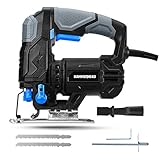
- Use a jigsaw to cut out the hole for the sink, staying just inside your traced line. Check the fit and sand the cut edges.
- Secure the pallet in its upright position by screwing the small piece of scrap wood as a brace between the ‘legs’ and the ‘back’ of the kitchen for structural stability.
- Drop the bowl into the hole. Your basic kitchen is complete!
Pro-Tip: Before you cut the sinkhole, use a handheld drill to create a pilot hole for your jigsaw blade. This makes the first cut much easier and safer.
2. Craft the Double-Wide Chef’s Station

Ready for a bigger project? Save this double-wide design for your little chef!
Materials Needed
- 2 matching, clean HT pallets
- 2 small stainless steel bowls or metal buckets
- 4 x metal mending plates with screws
- 16 x 2.5-inch exterior-grade wood screws
- Exterior-grade wood glue
- Chalkboard paint (optional)
Step-by-Step Directions
- Dismantle the top boards from one of the pallets carefully, saving the wood. Thoroughly sand all wood surfaces until smooth.
- Place the intact pallet upright as your base. Use the reclaimed wood from the other pallet to fill in any large gaps on the “countertop” surface, securing them with screws.
- Cut two holes for your double sinks on the countertop.
- Use the remaining reclaimed wood to assemble a small backsplash or upper shelf, attaching it to the back of the pallet base.
- Paint a section of the backsplash with chalkboard paint for a cute menu board.
- Seal all wood with a child-safe, non-toxic sealant for weather protection.
- Add utensil hooks to the backsplash for hanging tools.
Pro-Tip: When joining pallet wood for a countertop, apply a thin bead of waterproof wood glue between the boards before screwing them down. This prevents dirt from getting trapped and adds significant structural integrity.

3. Design a Compact Corner Unit for Small Spaces

No space? No problem! Pin this genius corner mud kitchen idea.
Materials Needed
- 2 clean HT pallets
- 2 x heavy-duty 90-degree corner brackets
- 1 square piece of exterior plywood (approx. 24×24 inches) for the corner countertop
- Jigsaw, drill, screws, and sandpaper
- A single sink bowl
Step-by-Step Directions
- Cut one pallet in half lengthwise. You will use the two halves.
- Assemble the two halves into an ‘L’ shape, with the solid ends meeting at the corner.
- Reinforce the inside corner joint from top to bottom with the heavy-duty corner brackets, ensuring it’s perfectly square and stable.
- Place the plywood on top of the L-frame to create a solid corner countertop. Secure it from underneath with screws.
- Cut a hole in the plywood for your sink.
- Thoroughly sand all surfaces, especially the newly cut edges of the plywood.
- Seal the entire unit, paying extra attention to the plywood countertop, to make it weatherproof.
Pro-Tip: Use a speed square to ensure your corner joint is a perfect 90 degrees before drilling pilot holes and driving in the screws for the brackets. A square corner is key to the unit’s stability.

4. Build a Deluxe Kitchen with Backsplash & Top Shelf

Level up your DIY skills! Pin this deluxe mud kitchen design.
Materials Needed
- 2 clean HT pallets
- A small wooden crate for an ‘oven’
- Extra pallet planks
- Utensil hooks and S-hooks
- Wood screws, drill, saw
Step-by-Step Directions
- Use one full pallet as the base. Stand it upright.
- Carefully dismantle the second pallet to harvest the planks.
- Attach planks vertically along the back of the base pallet to create a solid backsplash.
- Construct a simple box shelf using four of the harvested planks.
- Secure the shelf to the top of the backsplash. Ensure it is level and strong.
- Fasten the small wooden crate into the opening at the bottom of the base pallet to create a pretend oven.
- Drill and attach a row of utensil hooks to the backsplash under the shelf.
- Install your sink, sand everything smooth, and apply a durable outdoor sealant.
Pro-Tip: When attaching the backsplash, use screws that are long enough to go through the backsplash plank and deep into the main pallet’s support blocks. This creates a much stronger and safer bond than just screwing into the thin top boards.

5. Paint a Whimsical, Colorful Creation

Add a splash of color to your backyard! Save this painted mud kitchen inspiration.
What You Need
- A fully assembled (but unsealed) pallet mud kitchen
- Sandpaper (120-grit)
- Exterior wood primer
- 2-3 sample pots of child-safe exterior acrylic paint in your chosen colors
- A water-based, non-toxic outdoor topcoat/sealant (polyurethane)
- Paintbrushes
Routine Steps
- Sand the entire assembled kitchen one last time with 120-grit sandpaper to give the primer something to grip. Wipe away all dust.
- Apply one even coat of exterior wood primer. This is crucial for preventing tannin bleed (stains coming through the paint) and ensuring the paint adheres properly. Let it dry completely.
- Paint your kitchen with your chosen colors. Let your creativity run wild! Paint the “oven” door a different color, add stripes, or create patterns. Apply a second coat if needed.
- Let the paint cure for at least 24-48 hours, or as directed by the manufacturer.
- Apply two thin coats of the water-based non-toxic sealant. This is the most important step for making the paint job weatherproof and last for years.
Pro-Tip: Don’t skip the primer! Pallet wood is often low quality and porous. A good primer seals the wood, stops the final color from looking blotchy, and dramatically increases the lifespan of your paint job.

6. Repurpose a Rustic Potting Bench Style Kitchen

For the little gardener! Pin this adorable potting bench mud kitchen.
Supplies Needed
- 2-3 clean HT pallets
- A large, shallow sink option (like a galvanized tub or an old roasting pan)
- Decking screws (which are more weather-resistant)
- Saw, drill, sandpaper
Step-by-Step Directions
- Dismantle all the pallets completely, creating a pile of reclaimed planks and support blocks. This design uses the wood, not the pallet structure.
- Construct a simple, low table frame using the sturdy support blocks as legs and planks for the frame. Aim for a countertop height of around 20-24 inches, depending on your child’s age.
- Layout planks to form the countertop, leaving a hole for your large sink.
- Attach more planks below the countertop to create a lower storage shelf.
- Use remaining planks to build a short backsplash.
- Sand everything meticulously for splinter prevention. The varied nature of reclaimed pallet planks makes this step extra important.
- Consider leaving the wood natural and sealing with a clear, matte non-toxic sealant to enhance the rustic look while still providing weather protection.
Pro-Tip: When building from scratch with reclaimed planks, check each plank for old nails or staples. Remove them all with a claw hammer or pliers before you start sanding or cutting to protect yourself and your tools.

7. Fabricate a Fun Mud Pie Bakery with an “Oven”

Order up! Pin this mud pie bakery design for endless imaginative play.
Tools & Supplies
- A standard pallet mud kitchen base (like Design #1)
- A small square of pallet wood or thin plywood for the door
- 2 x small, exterior-grade T-hinges
- A cabinet knob or a piece of thick rope for the handle
- A magnetic cabinet catch
- Old pans and muffin tins
Instructions
- Measure the opening in the front of your pallet base that will serve as the oven.
- Cut the piece of scrap wood to be slightly larger than the opening, creating an overlapping door.
- Sand the door and the area around the oven opening smoothly.
- Attach the two hinges to one edge of the door.
- Hold the door in place over the opening and secure the other side of the hinges to the pallet. Test that the door swings freely.
- Drill a hole in the center of the door and attach your cabinet knob or thread through the rope handle.
- Install the magnetic catch on the inside of the pallet and the metal plate on the inside of the door. This will keep the oven “clicked” shut.
- Stock the bakery with old pans, muffin tins, and play food.
Pro-Tip: When attaching the oven door, place a thin piece of cardboard underneath it as a spacer while you screw in the hinges. This ensures there’s just enough clearance for the door to open and close smoothly without scraping the bottom.

8. Install a “Running Water” System with a Drink Dispenser

The ultimate upgrade! Pin this ‘running water’ mud kitchen hack.
What You Need
- A finished pallet mud kitchen with a sink installed
- A large drink dispenser with a simple push-button or lever spigot (glass or durable BPA-free plastic)
- A hole saw drill bit slightly larger than the spigot’s diameter
- Silicone sealant (optional)
Steps
- Choose a spot on the backsplash or an upper shelf directly above the sink. This is where your water source will live.
- If you have a backsplash, measure where the spigot needs to pass through to be over the sink.
- Using the hole saw, carefully drill a clean hole through the backsplash.
- Unscrew the spigot from the dispenser. Push the threaded end through the hole from the back and reattach the spigot on the front.
- If the dispenser will sit on a shelf, simply place it securely so the spigot hangs over the sink. You can create a small wooden “corral” around it to prevent it from being knocked off.
- Drill a few small drainage holes in the bottom of your metal sink bowl to prevent it from overflowing and becoming a hazard.
- Fill the dispenser with water and let the sensory play begin!
Pro-Tip: For a more permanent and waterproof seal, apply a small bead of clear silicone sealant around the spigot where it meets the wood on both the front and back. This prevents water from seeping into the wood and causing rot.
9. Create a Vertical Herb Garden & Mud Kitchen Combo

A feast for the senses! Pin this herb garden mud kitchen idea.
Materials Needed
- A mud kitchen with a solid backsplash (like Design #4)
- Small hanging planters or hose clamps large enough to hold small terracotta pots
- Potting soil
- Child-safe herb starters (mint, rosemary, lemon balm, thyme are great)
- Screws and a drill
Directions
- Construct a mud kitchen with a strong, solid backsplash made from pallet planks.
- Layout your arrangement of planters on the backsplash.
- If using hanging planters, simply screw them into the backsplash.
- If using terracotta pots, secure large hose clamps to the backsplash with a screw. Loosen the clamp, slide the pot in, and then tighten the clamp until the pot is held securely.
- Fill the pots with soil and help your child plant the herbs.
- Teach your child to water the herbs and encourage them to use the leaves in their mud-pie creations. This introduces scent and texture to their sensory play.
Pro-Tip: Choose herbs that are resilient and release a strong scent when touched. Mint is fantastic because it’s nearly indestructible and smells amazing. Rosemary has a wonderful texture and smell. This turns the kitchen into a full sensory development station.

Key Takeaways: Your Quick Guide to Building a Pallet Mud Kitchen
Building a mud kitchen should be fun, not stressful. Keep these core principles in mind, and you’ll create a safe, durable, and well-loved addition to your backyard. This quick summary covers the most critical points for success.
- Safety First: Always Use HT Pallets. Before you begin, check for the IPPC stamp and ensure it says ‘HT’ for Heat Treated. Never use ‘MB’ (Methyl Bromide) pallets, as they are treated with toxic chemicals and are not safe for toddlers.
-
Sanding is Non-Negotiable. The most critical step for splinter prevention is meticulous sanding. Use medium-grit (80) then fine-grit (120) paper on every single surface your child might touch.
-
A Simple Sink is Best. A stainless steel bowl dropped into a cutout hole is the easiest and most durable sink solution. It’s easy to clean and won’t rust.
-
Seal for a Longer Life. To protect your creation from rot and weather, you must seal it. Use a child-safe, non-toxic outdoor sealant, especially if you paint it. This is key for weather protection.
-
Embrace the Imperfections. You are building a rustic, homemade pallet mud kitchen, not fine furniture. The goal is to create a fun, safe play space. Don’t stress about perfect cuts; focus on a sturdy, splinter-free result.
-
Add Interactive Elements. The most-loved mud kitchens have interactive features. An ‘oven’ door, hooks for utensils, or a simple ‘running water’ dispenser will elevate playtime from minutes to hours.
People Also Ask About Pallet Mud Kitchens
Here are some of the most common questions people have when planning their DIY mud kitchen project. Getting these answers right will help you build with confidence.
Are pallets really safe for mud kitchens?
Yes, but only if you use the correct type. Pallets marked with ‘HT’ are heat-treated, not chemically treated, and are considered safe for DIY projects like mud kitchens. Always avoid pallets marked ‘MB’ (for toxic Methyl Bromide) or any pallet that is stained, oily, or has an unknown origin.
How do you waterproof a pallet mud kitchen?
The key is applying a quality, non-toxic outdoor sealant. After sanding and assembling, apply at least two coats of a water-based outdoor polyurethane or another child-safe sealer. Pay extra attention to horizontal surfaces like the countertop and the feet, as this is where water will sit.
What is the best height for a mud kitchen?
The ideal countertop height is roughly at your child’s waist or elbow level. For a toddler (ages 2-3), a height of 19-22 inches is great. For a preschooler (ages 4-5), 23-26 inches is more comfortable. If building for multiple ages, aim for around 22 inches as a happy medium.
How many pallets do I need for a mud kitchen?
You can build a very simple mud kitchen with just one pallet. However, most designs that include shelves or a more finished look will require two pallets. One serves as the base, and the second is dismantled to provide planks for the countertop, backsplash, and shelves.
What do you put in a mud kitchen?
Stock it with old kitchen supplies and natural loose parts. Think old pots, pans, muffin tins, measuring cups, spoons, and whisks. Also add natural items like pinecones, shells, pebbles, and leaves. Buckets of dirt (or a designated digging area) and access to water are essential.
How do you stop pallet wood from splintering?
Thorough sanding is the only way to effectively prevent splinters. Start with a medium 80-grit sandpaper to remove the rough surface and knock down sharp edges, then follow up with a finer 120-grit or 150-grit sandpaper to make it smooth to the touch. Always sand with the grain of the wood.
Can I make a mud kitchen without a pallet?
Absolutely! You can use any reclaimed wood, timber, or cedar planks. The principles are the same: build a sturdy frame and ensure all wood is well-sanded and sealed. Pallets are popular simply because they are often free and provide a good structural starting point.
What age is a mud kitchen for?
Mud kitchens are fantastic for children from around 18 months to 7 years old. Toddlers enjoy the simple sensory experience of mixing mud and water, while older children engage in more complex, imaginative role-playing like running a cafe or a science lab.
Do I need to treat the pallet wood?
Yes, you need to seal it, but not with toxic treatments. Do not use traditional wood preservers which can be toxic. Instead, ‘treat’ it against the weather by applying multiple coats of a child-safe, non-toxic water-based sealant like an outdoor-rated polyurethane.
How do you attach a sink to a mud kitchen?
The easiest method is the ‘drop-in’ sink. Use a jigsaw to cut a hole in the countertop that is slightly smaller than the outer rim of a metal or plastic bowl. The bowl’s lip will then rest on the countertop, holding it in place securely without any complicated fixtures.
Final Thoughts on Your DIY Pallet Mud Kitchen
Building a diy pallet mud kitchen is more than just a weekend project; it’s an investment in your child’s creativity, learning, and connection to the natural world. By prioritizing safety through the careful selection of HT marked pallets and committing to a thorough sanding and sealing process, you can create a durable, treasured feature in your backyard. This guide has shown you that with a little effort, you can transform humble, reclaimed wood into a powerful tool for play.
Remember that the best mud kitchen is one that gets used. Embrace the mess, encourage the imaginative scenarios, and celebrate the joy it brings. Now that you have the plans and the knowledge, you’re ready to start building memories. Which design will you try first?
Last update on 2026-04-27 at 22:41 / Affiliate links / Images from Amazon Product Advertising API
