
As an Amazon Associate KitchenwareSets.com earns from qualifying purchases.
11 Brilliant DIY Pallet Mud Kitchen Ideas: Outdoor Play for Kids
Are you tired of expensive, plastic outdoor toys that break quickly? Creating a budget-friendly outdoor learning environment often feels overwhelming. You need practical DIY pallet mud kitchen ideas that guarantee child safety and provide endless backyard fun.
A DIY pallet mud kitchen is a customized outdoor sensory play station constructed from repurposed, heat-treated wooden pallets. These affordable, durable play structures feature sinks, workspaces, and storage to encourage nature-based childhood development. This easy pallet project transforms raw scrap wood into pure magic. It offers incredible value for families seeking creative outdoor play solutions.
Drawing from comprehensive analysis of ISPM15 safety standards and proven woodworking methodologies, this guide ensures absolute child safety. You will discover 11 brilliant mud kitchen designs tailored for any backyard layout. Get ready to build an incredible sensory integration station for your kids today.
Contents
show
How To Build A Safe DIY Pallet Mud Kitchen: A Step By Step Guide
To safely build a DIY pallet mud kitchen, always use heat-treated pallets marked with an “HT” stamp, never use chemically treated “MB” (Methyl Bromide) pallets. Completely dismantle the pallets, sand the wood with 80 to 120-grit sandpaper to prevent splinters, and apply a non-toxic, child-safe exterior sealant.
Creating an engaging outdoor learning environment starts with strict safety protocols. Many parents worry about toxic chemicals in salvaged wood. We must address these valid fears before building your kids mud kitchen build. Finding the right pallets is the critical first step in this easy pallet project.
What most guides miss is the absolute necessity of understanding the ISPM15 standard for wood packaging. Heat-treated pallets are certified safe for child use. Conversely, you must explicitly avoid any colored pallets or those lacking clear stamps. Always prioritize child safety guidelines and proper sanding grit recommendations to prevent injuries. Start your prep with 60-grit paper to remove heavy splinters, finishing smoothly with 120-grit. Ensuring your wood is chemical-free guarantees a safe sensory play station.
11 Brilliant DIY Pallet Mud Kitchen Ideas To Construct For Outdoor Play
Now that your pallet wood frame is safely prepped, let’s explore incredible mud kitchen ideas. Finding the perfect outdoor mud kitchen plan depends on your space and toddler’s needs. Each design below includes a complete materials checklist and step-by-step construction actions.
We focus heavily on structural load-bearing considerations to guarantee stability. From rustic pallet kitchen designs to multi-functional setups, these variations transform basic materials into magical outdoor play areas. Let’s dive into these brilliant pallet mud kitchen plans.
1. Construct a Simple Single-Pallet Mud Kitchen

Pin this easy weekend build to your “Backyard DIY Projects” board!
A simple single pallet mud kitchen utilizes one dismantled pallet to create a sturdy, compact outdoor play area. This step by step mud kitchen tutorial for beginners requires minimal woodworking skills. You will dismantle the wood, sand it thoroughly, and reassemble it into a beautiful sensory space. This creates a low-barrier entry point for backyard DIYers.
Materials Needed
- 1 heavy-duty, heat-treated standard wooden pallet
- 1 stainless steel bowl (approx. 10-12 inches diameter) with a lip
- 2-inch exterior-grade deck screws (corrosion resistant)
- Non-toxic, eco-friendly outdoor wood sealant
- Power drill with appropriate bits
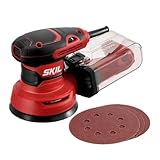
- Random orbital sander with 60-grit and 120-grit sanding discs
- Jigsaw or reciprocating saw for cutting the sink hole
Step-by-Step Directions
- Measure and cut the pallet in half horizontally using a saw. Designate one half for the sturdy base. Use the other for the backsplash.
- Pry off three loose boards from the remaining scrap sections. Use these as the horizontal worktop surface.
- Sand all pieces thoroughly using 60-grit paper first. Follow up with 120-grit to ensure absolute splinter prevention.
- Secure the worktop boards to the base frame. Attach the backsplash half vertically using exterior-grade screws.
- Trace the bottom of your stainless steel bowl onto the worktop. Drill a pilot hole and use a jigsaw to cut the opening.
- Coat the entire wooden mud kitchen structure with the non-toxic sealant. Let it dry completely before dropping the bowl into the hole.
Pro-Tip: Wood grain orientation matters when creating outdoor work surfaces. Always ensure the “cupped” side of the pallet boards faces downward. This allows rainwater to run off naturally, preventing pooling and mold over time.
2. Assemble a Double-Sink Mud Kitchen with Real Running Water

Save this running water mud kitchen hack for your kids’ ultimate sensory station!
A double-sink mud kitchen with a water pump elevates messy play by providing interactive running water for multiple children. You will attach a manual camp pump to a hidden reservoir to facilitate realistic play. This design massively boosts sensory development. Proper water drainage planning is essential for this build.
Materials Needed
- 2 standard heat-treated pallets
- 2 stainless steel mixing bowls with lips
- 1 manual hand water pitcher pump
- 1 large hidden plastic water reservoir (bucket or bin)
- Clear vinyl tubing compatible with the hand pump
- Jigsaw, drill, and hole saw attachment
- Marine-grade outdoor wood varnish
Step-by-Step Directions
- Construct a wider base frame by joining two pallet halves side-by-side. This accommodates a longer worktop.
- Measure and trace the circumferences of both stainless steel bowls. Place them side-by-side on the worktop surface.
- Drill pilot holes and use your jigsaw to cut both sink openings. Leave at least 4 inches of wood between them.
- Mount the manual hand water pump onto the worktop. Secure it next to one of the sinks using sturdy lag bolts.
- Feed the clear vinyl tubing from the bottom of the hand pump. Route it down into your hidden plastic water reservoir.
- Drill a few small drainage holes in your stainless steel bowls. This ensures stagnant water flows out into a catch bucket.
Pro-Tip: Manage water drainage effectively to avoid a swampy yard. Place the mud kitchen over a bed of play mulch or pea gravel. This facilitates excellent capillary action prevention and keeps the play area safe.

3. Build a Space-Saving Corner Pallet Mud Kitchen

Pin this space-saving corner mud kitchen design to maximize your small backyard!
A space-saving corner pallet mud kitchen features a compact L-shaped design perfect for restricted urban gardens. You will reinforce two vertical frames at a 90-degree angle using heavy-duty brackets. This smart layout maximizes your available outdoor play station footprint. It supports elaborate play without crowding the patio.
Materials Needed
- 3 heat-treated wooden pallets
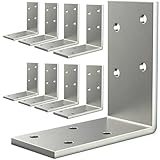
- 4 heavy-duty galvanized steel corner brackets (L-brackets)
- Exterior wood glue and 3-inch exterior screws
- Miter saw or circular saw
- Sandpapering tools (orbital sander)
- 1 small plastic sink basin or metal tin
- Waterproof wood stain
Step-by-Step Directions
- Dismantle one pallet completely to harvest the individual planks. These will be used to construct the worktop.
- Cut the remaining two pallets to your desired height. Ensure they can stand vertically to form the 90-degree L-shape.
- Position the two base frames in a corner orientation. Reinforce the interior joint heavily using the galvanized steel brackets.
- Cut your harvested worktop planks with 45-degree mitered ends. Meet them in the corner to create a seamless surface.
- Attach the worktop planks using exterior wood glue and screws. This prevents the boards from warping under weather exposure.
- Mount your small sink basin on one wing of the L-shape. Leave the other wing flat for a generous messy play area.
Pro-Tip: Structural load-bearing in L-shaped designs requires extra attention. Always add a hidden 2×4 support cleat underneath the mitered worktop joint. Kids will inevitably climb or lean heavily on this exact corner spot!
4. Mount a Mud Kitchen with Overhead Utensil Hooks and Shelving

Don’t forget the accessories! Save this brilliant mud kitchen storage hack.
Mounting overhead utensil hooks and shelving creates vertical storage that promotes crucial fine motor skills. You will construct a towering backsplash to hold old saucepans and a spice rack. This realistic childhood sensory zone keeps tools accessible. It encourages organizational skills while maximizing the play value.
Materials Needed
- 2 standard wooden pallets (one intact for the tall backsplash)
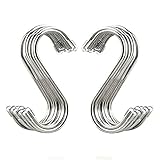
- 10-12 stainless steel S-hooks
- 1 small wooden spice rack or shallow crate for shelving
- Assorted thrifted metal kitchen utensils (whisks, ladles, old saucepans)
- Small screw-in cup hooks or a metal tension rod
- Extra wood screws and a power drill
- Child-safe wood stain
Step-by-Step Directions
- Construct your standard base from the first pallet. Secure a completely intact, uncut pallet vertically to the back.
- Sand down the entire backsplash area meticulously. Pay special attention to the gaps where little fingers will reach.
- Mount the small wooden spice rack near the top. Use wood screws to secure this shelf for “nature potions.”
- Install a metal tension rod across the vertical pallet. Alternatively, screw in a series of cup hooks along the cross-brace.
- Hang the stainless steel S-hooks from the rod or eye-hooks.
- Attach the thrifted metal utensils, old saucepans, and wooden spoons. This completes the highly engaging childhood sensory zone.
Pro-Tip: Hanging and unhooking heavy metal ladles isn’t just for storage. It provides excellent proprioceptive input for toddlers. This action builds critical fine motor skills essential for early years pre-writing development.
5. Design a Colorful Painted Mud Kitchen

Bring some color to the backyard! Pin this beautiful painted mud kitchen idea.
A colorful painted mud kitchen utilizes non-toxic finishes to create a vibrant, weather-resistant aesthetic. You will learn how to paint pallet wood for outdoor use safely. This process seals the wood and prevents chemical leaching into the soil. It transforms dull wood into a playful garden feature.
Materials Needed
- Assembled DIY pallet mud kitchen frame
- 1 gallon of high-quality, VOC-free exterior acrylic wood primer
- 1 gallon of bright, child-safe exterior acrylic paint
- Clear, non-toxic water-based polyurethane topcoat
- Wood filler to plug old nail holes
- Quality synthetic bristle paintbrushes and a small foam roller
- Drop cloths and painter’s tape
Step-by-Step Directions
- Inspect your fully assembled kitchen frame carefully. Fill any deep gouges, splinters, or old nail holes with wood filler.
- Sand the filler flush and wipe the entire structure down. Use a damp cloth to remove all sanding dust.
- Apply one even coat of VOC-free exterior acrylic wood primer. Use a foam roller for flat surfaces. Let dry completely.
- Paint the kitchen with your chosen vibrant color. Apply two thin coats rather than one thick coat to prevent drips.
- Once the color coats are fully cured, seal the project. Apply two coats of clear, non-toxic water-based polyurethane.
- Reinstall the sinks and hardware only after the topcoat has hardened. This prevents the fixtures from sticking to the fresh paint.
Pro-Tip: Using UV-resistant coatings and a high-quality water-based polyurethane is crucial. Cheap paints will quickly peel and flake off. This creates a choking hazard and introduces dangerous microplastics into your garden soil.

6. Create a Montessori-Aligned Toddler Height Mud Kitchen

Perfect for early development! Save this Montessori mud kitchen to your toddler activities board.
A Montessori-aligned toddler height mud kitchen is specifically scaled to promote independent, open-ended play. You will measure and cut the frame to match toddler ergonomics exactly. This child-sized design relies on highly accessible loose parts rather than fake gadgets. It heavily supports early toddler development benchmarks.
Materials Needed
- 2 standard heat-treated pallets
- Circular saw and measuring tape
- Sandpaper and non-toxic natural beeswax wood finish
- Shallow wooden bowls and trays (instead of deep sinks)
- Natural loose parts (pinecones, river stones, large shells)
- Small, child-sized wooden scoops and tongs
- L-brackets for securing to a fence (safety first)
Step-by-Step Directions
- Measure the height of the toddler who will use it. The worktop should be at their hip level (18 to 22 inches).
- Cut your base pallets exactly to this customized ergonomic height. Use a circular saw for precise, straight cuts.
- Construct the frame with a strong focus on open lower shelving. Children must easily see and access all tools independently.
- Sand the wood obsessively to a buttery smooth finish. Seal it with a natural beeswax finish to keep the experience organic.
- Inset shallow wooden bowls or metal trays into the worktop. Avoid deep sinks so toddlers can easily manipulate the contents.
- Mount the kitchen securely to a fence or wall using L-brackets. This prevents any tipping hazards when children pull up.
Pro-Tip: True montessori-aligned design emphasizes loose parts play. Avoid attaching permanent fake faucets or painting fake stove burners. Provide open-ended materials so the space can be a bakery today and a science lab tomorrow.

7. Combine Wooden Crates for a Modular Upcycled Kitchen

No time to dismantle pallets? Pin this easy wooden crate modular build!
Combining wooden crates creates a fast, modular mud kitchen that minimizes the labor of breaking down pallets. Making a mud kitchen from recycled wooden crates provides massive built-in storage. You will securely join heavy crates to form a stable base structure. This upcycled project is eco-friendly and easily expandable.
Materials Needed
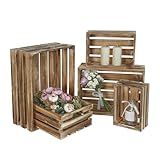
- 4-6 large, heavy-duty wooden apple crates or wine crates
- 1 standard heat-treated pallet (for the worktop and backsplash)
- Exterior-grade wood screws (1.5 inch and 2.5 inch)
- Heavy-duty outdoor wood glue
- Power drill
- Clear outdoor weatherproofing spray
- 1 large plastic basin for the sink
Step-by-Step Directions
- Arrange 4 wooden crates on the ground in a 2×2 grid. Keep the open sides facing forward to create instant storage cubbies.
- Glue the touching sides of the crates using outdoor wood glue. Secure them permanently by driving 1.5-inch screws through the panels.
- Dismantle your single pallet and use the long planks. Span them across the top of your crate base for a unified worktop.
- Cut a hole in your new pallet-wood worktop. Drop your large plastic basin securely into the gap.
- Use remaining pallet planks to build a simple backsplash. Screw it securely into the back of the top crates.
- Spray the entire modular unit with clear outdoor weatherproofing spray. This protects the thinner crate wood from moisture damage.
Pro-Tip: Crates are generally made of thinner, lighter wood than industrial pallets. This makes the kitchen more top-heavy. Always secure a heavy flagstone or sandbag in the bottom back corners to prevent dangerous tipping.
8. Attach a Chalkboard Backsplash for Creative Mud Recipes

Encourage early literacy with outdoor play! Pin this chalkboard mud kitchen idea.
Attaching a chalkboard backsplash encourages creative imagination and early literacy in the outdoor classroom. You will paint exterior-grade plywood to create a drawing surface for mud kitchen recipes. This brilliant addition blends messy play with essential preschool writing practice. It elevates the educational value of the space immensely.
Materials Needed
- Standard DIY pallet mud kitchen frame
- 1 large sheet of exterior-grade plywood (cut to size)
- Exterior wood primer
- Exterior waterproof chalkboard paint
- High-density foam paint roller
- Wood glue and exterior screws
- Thick sidewalk chalk and an outdoor-safe eraser
Step-by-Step Directions
- Measure the backsplash area of your pallet kitchen. Cut the exterior-grade plywood to fit this space perfectly.
- Sand the smooth side of the plywood thoroughly. Wipe away all fine dust with a damp cloth.
- Roll on a thick coat of exterior wood primer. This seals the plywood against moisture. Allow it to dry completely.
- Apply 3-4 thin coats of the exterior waterproof chalkboard paint. Use a high-density foam roller for a smooth finish.
- Once fully cured, mount the painted plywood over the pallet backsplash. Secure it firmly using wood glue and exterior screws.
- “Condition” the chalkboard before its first use. Rub the side of a piece of chalk over the surface and wipe it off.
Pro-Tip: Regular indoor chalkboard paint will bubble and peel off outdoors. You must use specialized exterior chalkboard paint. Ensure the edges of your plywood are heavily sealed with varnish to prevent water delamination.

9. Construct an Eco-Friendly Kitchen with Built-in Planter Boxes

Combine gardening and messy play! Pin this beautiful planter box mud kitchen.
Constructing an eco-friendly mud kitchen with built-in planter boxes promotes sustainable living and deep nature exploration. You will attach custom wooden boxes lined with heavy-duty fabric to grow sensory plants. This teaches toddlers essential plant care alongside standard messy play. It perfectly integrates your build into the natural garden.
Materials Needed
- Standard DIY pallet mud kitchen frame
- Extra pallet wood planks for building boxes
- Heavy-duty landscape fabric liner
- Heavy-duty staple gun and rust-proof staples
- Organic potting soil
- Child-safe sensory plants (mint, lavender, lemon balm, marigolds)
- Exterior wood screws and a power drill
Step-by-Step Directions
- Build two small rectangular boxes using your extra pallet planks. Size them to fit the ends or sides of the main base.
- Attach the boxes securely to the main frame using exterior wood screws. Ensure they are perfectly level.
- Cut sections of heavy-duty landscape fabric to line the inside. Secure the fabric tightly to the upper edges with staples.
- Drill 3-4 small drainage holes through the fabric and wooden bottom. This ensures excess water can always escape.
- Fill the fully lined wooden boxes with high-quality organic potting soil.
- Plant your child-safe sensory herbs and flowers. Teach your toddler how to water them using their sink!
Pro-Tip: Lining the planter boxes with landscape fabric is critical. Without it, wet soil sits directly against the pallet wood, accelerating rot exponentially. Furthermore, only plant herbs like mint—toddlers will inevitably put leaves into their mouths, so ensure they are non-toxic.

10. Build a Multi-Functional Mud Kitchen and Sand Table

Get two play stations in one! Save this genius mud and sand combo kitchen.
Building a multi-functional mud kitchen and sand table combines wet messy play with dry tactile play in one large unit. You will construct an extra-long worktop to accommodate both a stainless sink and a lidded plastic bin. This design resolves the mud kitchen vs sand table debate. It efficiently saves money and valuable backyard space.
Materials Needed
- 3-4 heat-treated wooden pallets (to build an extra-long frame)
- 1 standard stainless steel bowl (for the mud sink)
- 1 large, deep plastic storage bin with a snap-on lid (for the sand)
- 2-3 bags of washed, non-toxic children’s play sand
- Jigsaw and drill
- Exterior wood screws
- Marine varnish
Step-by-Step Directions
- Construct an extended base frame roughly double the standard width. This provides ample support for two distinct play zones.
- Build the continuous pallet-wood worktop seamlessly across the entire expanded structure.
- On the left side, trace and cut the circular hole for your stainless steel mud sink.
- On the right side, trace the outer lip of your large plastic storage bin. Carefully cut this rectangular opening with your jigsaw.
- Drop the empty plastic bin into the hole. Ensure the snap-on lid still fits securely over the top.
- Fill the plastic bin with washed play sand. Always cover it tightly with the lid when not in active use.
Pro-Tip: Never leave a sand table uncovered outdoors. Recessing the plastic bin so its original snap-on lid still attaches is a crucial design step. It prevents neighborhood cats from using the sensory station as a litter box overnight.

11. Assemble a Budget-Friendly Zero-Saw Pallet Kitchen

No power tools? No problem! Pin this zero-cut mud kitchen assembly.
Assembling a budget-friendly zero-saw pallet kitchen involves stacking and securing intact pallets without using any power saws. You will learn how to make a simple mud kitchen by bolting heavy pallets together. This affordable + easy approach is completely accessible for total beginners. It creates a robust play area with absolute minimum effort.
Materials Needed
- 3 or 4 identical, heat-treated standard pallets (must be exactly the same size)
- 1 solid piece of scrap wood, plywood, or an old cutting board
- 4-inch heavy-duty galvanized lag bolts and washers
- Socket wrench or impact driver
- Orbital sander and 80-grit sandpaper
- Large plastic wash basins (to sit on top, rather than drop-in)
Step-by-Step Directions
- Select two identical pallets and lay them flat on the ground. Stack one directly on top of the other to create your thick base.
- Stand a third pallet vertically behind the stacked base. This acts as the tall backsplash for the kitchen.
- Use your socket wrench to drive 4-inch galvanized lag bolts through the stacked bottom pallets. Drive several bolts through the back vertical pallet into the base.
- Thoroughly sand all accessible outer surfaces of the stacked configuration. Remove any rough edges to ensure safety.
- Securely screw down a flat piece of scrap plywood across the slatted top. This prevents toys from falling through the deep gaps.
- Place large plastic wash basins directly on top of the flat board to serve as your easily removable sinks.
Pro-Tip: The combined weight of whole stacked pallets is substantial. You must ensure the ground beneath the kitchen is perfectly level before bolting them together. An uneven base can cause the entire heavy structure to tilt forward, creating a severe crushing hazard.
Key Takeaways: Your Quick Guide to DIY Pallet Mud Kitchen Ideas
Review these critical points before starting your kids mud kitchen build. These core principles ensure your sensory play station remains safe, durable, and structurally sound for years. Let’s summarize the most vital information for this project.
Key Takeaways:
- Always Verify Pallet Safety Stamps: Before beginning your DIY pallet mud kitchen, inspect the wood for the ISPM15 standard “HT” (Heat-Treated) stamp. Never use pallets marked “MB” (Methyl Bromide) or colored pallets, as they contain toxic chemicals unsafe for children.
- Prioritize Obsessive Sanding for Splinter Prevention: Raw industrial wood requires extensive preparation. Start sanding with 60-grit paper to remove severe rough spots, finishing with 120-grit to create a buttery-smooth, safe surface for a toddler’s sensory play station.
- Seal Thoroughly Against the Elements: Protect your outdoor learning environment from rot and mold by completely sealing the wood. Apply a child-safe, non-toxic exterior acrylic paint or a water-based polyurethane to ensure weather resistance and a food-safe finish.
- Design for Child Ergonomics and Independence: When constructing the frame, tailor the worktop height to your child (typically 18-22 inches). Incorporate open shelving and accessible utensil hooks to promote fine motor skill development and independent, open-ended play.
- Manage Water Drainage Effectively: If including real running water or deep sinks, drill drainage holes in the basins and position the kitchen over pea gravel or play mulch. This prevents capillary action in the ground-contact wood and stops your backyard from turning into a swamp.
People Also Ask About DIY Pallet Mud Kitchen Ideas
Navigating DIY pallet wood projects for kids brings up many common questions. Let’s resolve these uncertainties to ensure your outdoor learning environment is perfectly safe. Here are the most frequently asked questions regarding mud kitchen construction.
Are pallets safe for kids to play with?
Yes, pallets are safe for kids to play with only if they are heat-treated and properly sanded. You must look for the “HT” (Heat-Treated) stamp on the side of the wood, which indicates it was sanitized using heat rather than chemicals. Avoid pallets marked with “MB” (Methyl Bromide) or painted pallets, as these contain highly toxic chemicals. Once you verify the HT stamp, extensive sanding is required for complete splinter prevention before allowing children to use the outdoor play station.
How to identify heat-treated pallets?
To identify heat-treated pallets, locate the branded stamp on the side of the wood block and look for the letters “HT”. This stamp is part of the ISPM15 standard logo, which looks like a wheat stalk alongside country codes. If the stamp says “HT”, the wood was heated to kill pests and is safe for your DIY garden furniture. If there is no stamp, or if you see “MB”, the pallet should be rejected for any child-focused project.
How do you waterproof a pallet mud kitchen?
Waterproof a pallet mud kitchen by applying two to three coats of a non-toxic, water-based exterior polyurethane or an exterior-grade acrylic paint. Before sealing, ensure the wood is completely dry and sanded. Pay special attention to coating the end-grain of the boards, as this is where water absorbs fastest. For maximum rot resistance, elevate the base slightly off the dirt using gravel or rubber pavers to prevent ground moisture from wicking up into the legs.
What tools are needed for a diy mud kitchen?
The essential tools needed for a DIY mud kitchen include a power drill, an orbital sander, and a saw (either a circular saw, jigsaw, or hand saw). You will also need measuring tape, 1.5-inch and 3-inch exterior wood screws, and a paintbrush or foam roller for sealing. If you plan to drop a sink into the worktop, a drill with a pilot hole bit and a jigsaw are required to cut the circular opening cleanly.
What is the best height for a toddler mud kitchen?
The best height for a toddler mud kitchen worktop is typically between 18 and 22 inches from the ground. This height aligns with Montessori ergonomic principles, allowing a 2 to 4-year-old child to comfortably reach into the sinks and use the work surface without standing on their tiptoes. It is best to measure your child from the ground to their hipbone to determine the perfect customized height for your specific messy play kitchen.
How do you attach a sink to a mud kitchen?
Attach a sink to a mud kitchen by tracing the bowl upside down on the worktop, cutting a hole slightly smaller than the traced line, and dropping the basin in. By cutting the hole about half an inch smaller than the outer rim, the lip of the stainless steel bowl or plastic bin will rest securely on the wood. For a permanent hold, run a bead of clear, waterproof silicone sealant under the lip before dropping it into place.
What should I put in a mud kitchen?
You should put natural loose parts, thrifted metal utensils, and sensory elements like sand, water, and play mulch in a mud kitchen. Excellent accessories include stainless steel mixing bowls, wooden spoons, measuring cups, a manual water pump, and small watering cans. Provide natural ingredients like pinecones, flower petals, pebbles, and potting soil. Avoid providing anything sharp, glass, or toxic, keeping the focus purely on nature-based play and creative exploration.
How long does a pallet mud kitchen last?
A properly treated pallet mud kitchen will typically last 3 to 5 years when fully exposed to outdoor weather. Its lifespan depends heavily on the weatherproofing process. If you use a high-quality non-toxic sealant, apply UV-resistant coatings, and elevate the base off wet grass using patio stones or gravel, you can significantly extend its structural stability. Untreated raw pallet wood left directly on wet soil will likely rot within a single year.
What are the benefits of mud play?
Mud play provides immense benefits including sensory integration, fine motor skill development, and enhanced immune system function. By manipulating mud, water, and sand, children receive valuable proprioceptive input while engaging in open-ended play. It encourages creative imagination, problem-solving, and role-playing. Additionally, research suggests that exposure to friendly soil bacteria during early childhood sensory zone activities can actually help build a stronger, more resilient immune system.
Can you use euro pallets for a mud kitchen?
Yes, you can use Euro pallets (EPAL) for a mud kitchen, and they are often preferred because they are universally heat-treated and incredibly sturdy. The EPAL system enforces strict manufacturing and safety stamps, meaning genuine Euro pallets do not use toxic Methyl Bromide. They are heavier and thicker than standard disposable pallets, making them excellent for a heavy-duty outdoor play area, though you will still need to dismantle and sand them thoroughly.
Final Thoughts on DIY Pallet Mud Kitchen Ideas
Building a DIY pallet mud kitchen is much more than a simple weekend woodworking task. It is an incredible investment in your child’s cognitive and physical development. Transforming discarded shipping materials into a vibrant sensory play station is immensely rewarding. You are providing a dedicated outdoor learning environment where nature-based play can flourish unconditionally.
The process of sourcing safe pallets and endlessly sanding rough edges requires diligence. Applying non-toxic finishes is crucial for safety. However, the payoff is immense. You gain total peace of mind knowing you have constructed a safety-tested play structure tailored perfectly to your toddler. Whether you opt for a basic single-pallet setup or a Montessori-aligned loose parts kitchen, the core benefit remains the same. You are getting kids outside and engaged in healthy, messy play.
Armed with these brilliant designs and strict structural safety guidelines, you are completely prepared. You can confidently tackle this rewarding upcycled wood project today. The only question left is: which of these pallet mud kitchen ideas will you construct for your backyard first?
Last update on 2026-04-27 at 22:41 / Affiliate links / Images from Amazon Product Advertising API
