
As an Amazon Associate KitchenwareSets.com earns from qualifying purchases.
Rustic Green and Brown Kitchen Designs: 13 Stunning Ideas
You love the idea of a moody, earthy kitchen but worry it’ll look like a cave. The challenge of pairing rich green tones with warm brown wood without drowning the space in darkness is real. This guide reveals how to master that perfect balance.
A rustic green and brown kitchen is a design that blends earthy green paint, tile, or cabinetry with warm brown wood elements like cabinets, floors, or beams, creating a cozy, nature-inspired space. Rooted in farmhouse and woodland aesthetics, these kitchens prioritize natural textures, distressed finishes, and a lived-in feel. The key is to choose the right green shade and pair it with complementary wood tones, using light neutrals and smart lighting to keep the room inviting rather than heavy.
Drawing from professional interior design principles and proven color‑matching techniques, this post delivers 13 stunning, actionable ideas. You’ll learn how to select green shades with the correct Light Reflectance Value (LRV), which wood species work best, and how to style every corner for that irresistible rustic charm. No more guessing—just a beautiful, balanced kitchen you’ll love.
Contents
show
How to Create a Stunning Rustic Green and Brown Kitchen Design That Blends Nature and Elegance
The rustic green and brown kitchen trend is booming—2024 data shows a 35% increase in green kitchen searches, and for good reason. These earth‑toned spaces evoke the comfort of a woodland retreat while feeling elevated and intentional. But how do you actually pull it off without your kitchen feeling like a cave? It all comes down to understanding the relationship between your primary colors, materials, and light.
A successful design starts with choosing a dominant green (sage, forest, emerald, mossy) and a dominant brown wood (distressed oak, walnut, hickory, pine). Then you layer in supporting elements: a white or cream backsplash, brass hardware, natural stone counters, and plenty of texture. The goal is a perfect blend of nature and elegance—cozy but not cluttered, moody but not dark.
This section sets the stage for the 13 ideas to come. Whether you’re painting existing cabinets, planning a full remodel, or just adding green accents, the principles here apply. You’ll also find a Material Pairing Guide table that quickly shows which greens work best with which woods. Ready to transform your kitchen into a cozy woodland retreat? Let’s dive in.
Balancing Moody Greens and Dark Woods: Your Material Pairing Guide
The biggest fear when designing a rustic green and brown kitchen is the space becoming too dark. Fortunately, with the right material pairings and a few lighting tricks, you can keep the moody ambiance without the cave effect. Here’s how to brighten a dark green kitchen and achieve visual balance.
How to lighten a dark green and brown kitchen? Add a white or cream backsplash, install under‑cabinet LED lighting, choose a green cabinet paint with an LRV of 30 or higher, use open shelving to break up dark masses, and lay a light‑colored runner rug. These strategies reflect natural light and prevent the space from feeling cave‑like.
Light Reflectance Value (LRV) is a professional interior design metric that measures how much light a color reflects, from 0 (absolute black) to 100 (pure white). For a north‑facing or small kitchen, choose greens with an LRV above 30. For example, Sherwin‑Williams Evergreen Fog has an LRV of 30—enough to keep the room airy while delivering that rich green depth. Darker greens like forest or emerald (LRV 10‑15) work best in kitchens with abundant natural light or large windows.
Below is a quick Material Pairing Guide based on entity co‑occurrence principles—matching specific green shades with the right wood species, backsplash, and lighting strategy.
| Green Shade | Best Pairing Wood | Recommended Backsplash | Lighting Tip |
|---|---|---|---|
| Mossy Green | Distressed Oak | Cream Subway Tile | Warm pendant lights over island |
| Forest Green | Walnut or Cherry | White Marble Herringbone | Under‑cabinet strip LEDs |
| Sage Green | Light Birch or Pine | Natural Stone Stacked Slate | Skylight or Solar Tube |
| Emerald Green | Reclaimed Barn Wood | Brass Mesh Tile | Dimmer‑controlled chandeliers |
| Olive Green | Rustic Hickory | Beige Travertine | Picture lights on open shelves |
Pro‑Tip: If your kitchen gets less than 4 hours of direct sun per day, start with sage or olive green—they’re inherently lighter than forest or emerald. Then add brass or copper hardware to introduce warm reflective surfaces that further brighten the space.
13 Stunning Rustic Green and Brown Kitchen Ideas to Transform Your Home
Now for the heart of the article: 13 distinct, actionable design concepts that combine specific green and brown kitchen elements. Each idea includes a detailed “What You Need” list and “How to Achieve This Look” steps, plus a Pro‑Tip to elevate your result.
13 Ideas Overview:
– 1. Forest Green Cabinets with Reclaimed Wood Island
– 2. Sage Green Walls with Dark Brown Shaker Cabinetry
– 3. Mossy Green Backsplash Paired with Distressed Oak Cabinets
– 4. Emerald Green Accent Wall with Warm Walnut Floors
– 5. Olive Green Lower Cabinets with Butcher Block Countertops
– 6. Dark Green Ceiling with Exposed Brown Wooden Beams
– 7. Green and Brown Two-Tone Kitchen with Open Shelving
– 8. Rustic Green Kitchen Island on a Dark Brown Tile Floor
– 9. Earthy Green Painted Hutch with Brown Rustic Table
– 10. Green Glass Front Cabinets with Brown Hardware
– 11. Biophilic Design with Green Plants and Brown Wood Textures
– 12. Dark Green and Brown Country Farmhouse with Copper Accents
– 13. Green and Brown Kitchen with Natural Stone Backsplash and Wood Countertops
1. Design a Forest Green and Reclaimed Wood Island Kitchen

Pin this forest green and reclaimed wood kitchen idea to your ‘Dream Kitchen’ board!
Forest green cabinets paired with a reclaimed oak island create a stunning focal point. The deep green contrasts beautifully with the warm, variegated wood tones, while a white marble backsplash and copper hardware keep the space from feeling too heavy.
What You Need:
– Forest green cabinet paint (matte finish, e.g., Sherwin‑Williams Pewter Green or similar with LRV ~30)
– Reclaimed oak butcher block countertop for island (thickness: 1.5–2 inches)
– Shaker‑style cabinet doors (MDF or solid wood)
– White Carrara marble backsplash subway tile (3×6 inches)
– Copper bridge kitchen faucet (matte finish)
– Under‑cabinet LED strip lighting (warm white, 2700K)
– Satin nickel cabinet pulls for perimeter cabinets
– White farmhouse apron sink
– Hardwood flooring (wide plank, dark walnut)
How to Achieve This Look:
1. Prep and paint perimeter cabinets forest green using a paint sprayer for smooth, matte finish.
2. Install reclaimed oak butcher block on the island – seal with natural tung oil for food safety.
3. Lay white marble subway tile backsplash in a straight stack pattern.
4. Mount copper bridge faucet and under‑cabinet lights.
5. Add farmhouse sink, install cabinet pulls (copper handles on island, satin nickel on perimeter).
6. Style with wooden bowls, green apples, and a wool runner.
Pro-Tip: Choose a reclaimed wood island top with a mix of light and dark planks – it will bridge the green cabinets and dark floor, creating visual flow.

2. Create a Sage Green and Dark Brown Shaker Cabinetry Kitchen

Click to save this sage green and dark brown kitchen pairing to your ‘Kitchen Color Ideas’ board!
If you prefer green on the walls rather than cabinets, this idea is for you. Sage green walls paired with dark brown shaker cabinets create a soft, welcoming contrast. The light green reflects enough light to keep the room airy, while the espresso cabinets add grounded warmth.
What You Need:
– Sage green wall paint (e.g., Benjamin Moore “Sage” or Sherwin‑Williams “Sage Green Light” – LRV ~40)
– Dark brown shaker cabinets (espresso stain, pre‑fabricated or custom)
– White marble subway backsplash tile (3×6 inch, polished)
– Brushed nickel gooseneck kitchen faucet
– White ceramic farmhouse sink
– Brushed nickel cabinet pulls and knobs
– Hardwood floor (dark walnut)
– Woven jute rug (4×6 ft)
How to Achieve This Look:
1. Paint the walls sage green using a high‑quality eggshell finish.
2. Install dark brown shaker cabinets – ensure espresso stain is consistent.
3. Install white marble backsplash in a brick lay pattern.
4. Mount brushed nickel faucet and sink.
5. Add cabinet pulls and knobs.
6. Place woven jute rug under the sink to soften the dark floor.
7. Style with natural wood accents and a potted plant.
Pro-Tip: For a more custom look, have the cabinet doors made with a light glaze over the stain – it adds depth and highlights the shaker frame.

3. Build a Mossy Green Backsplash and Distressed Oak Cabinet Kitchen

Save this mossy green and distressed oak kitchen idea – it’s perfect for farmhouse lovers!
Mossy green is a muted, earthy shade that pairs perfectly with distressed oak cabinets for that genuine rustic feel. The handmade subway tiles add texture, while the soapstone countertops tie the earthy palette together.
What You Need:
– Mossy green handmade subway tile (variegated glaze)
– Distressed oak cabinets (or DIY by painting oak cabinets green then sanding edges)
– Dark soapstone countertops (honed finish)
– Copper pot rack (ceiling mount, hammered)
– Oil‑rubbed bronze cabinet hardware
– Farmhouse apron sink (fireclay)
– Under‑cabinet lighting (warm LED)
How to Achieve This Look:
1. Install distressed oak cabinets or distress existing cabinets: paint green, let dry, sand edges and corners to expose wood.
2. Apply mossy green tile backsplash in a running bond pattern.
3. Install soapstone countertops, seal with mineral oil.
4. Mount the copper pot rack above the island or prep area.
5. Add oil‑rubbed bronze hardware and farmhouse sink.
6. Add under‑cabinet lighting to highlight the textured backsplash.
Pro-Tip: Use two shades of green paint on the cabinets – a darker base and lighter top – then sand strategically for an authentic layered look.

4. Design an Emerald Green Accent Wall with Warm Walnut Floor Kitchen

Pin this emerald green and walnut floor combo – it’s a game changer for moody kitchens!
Not ready to commit to green cabinets? An emerald green accent wall is a bold, low‑risk way to introduce the color. Pair it with warm walnut hardwood floors and white cabinetry for a striking, balanced kitchen.
What You Need:
– Emerald green paint (e.g., Sherwin‑Williams “Emerald” or Benjamin Moore “Hunter Green” – LRV ~12)
– Walnut hardwood flooring (3‑5 inch planks, pre‑finished)
– Floating white shelves (solid pine, painted)
– Brass mini pendant lights (two over a peninsula)
– Butcher block countertop (end grain)
– White ceramic farmhouse sink
– Brushed brass gooseneck faucet
– White upper cabinets (shaker style)
How to Achieve This Look:
1. Paint the accent wall emerald green – choose a wall that gets natural light.
2. Install walnut hardwood floor in a staggered pattern.
3. Install white shaker upper cabinets and butcher block counters.
4. Mount floating white shelves on the accent wall.
5. Wire brass pendant lights above the peninsula.
6. Install white sink and brass faucet.
7. Style shelves with white dishes and green plants.
Pro-Tip: To make the accent wall pop even more, paint the ceiling a soft white and keep upper cabinets light – the contrast will be stunning.

5. Install Olive Green Lower Cabinets with Butcher Block Countertops

Add this olive green and butcher block kitchen to your ‘Rustic Interior Design’ board!
Two‑tone kitchens are incredibly popular, and olive green lower cabinets paired with light birch butcher block countertops offer a fresh take. The green anchors the design while the wood adds warmth and a natural, organic feel.
What You Need:
– Olive green paint (e.g., Sherwin‑Williams “Olive Tree” or Farrow & Ball “Olive” – LRV ~28)
– Birch butcher block countertops (1.5 inch, finished with mineral oil)
– White shaker upper cabinets
– White subway tile backsplash (3×6, bright white)
– Brass bridge kitchen faucet
– Brass cabinet pulls (bin pulls)
– Wide‑plank oak flooring (natural color)
– Vintage runner rug
How to Achieve This Look:
1. Paint lower cabinets olive green – use a durable semi‑gloss enamel.
2. Install white upper cabinets.
3. Cut and install birch butcher block counters on both lower and island.
4. Seal butcher block with multiple coats of mineral oil.
5. Install white subway backsplash in a brick pattern.
6. Mount brass bridge faucet and hardware.
7. Finish with flooring and rug.
Pro-Tip: Seal butcher block counters weekly for the first month, then monthly – this prevents staining from red wine or turmeric.
6. Paint the Ceiling Dark Green with Exposed Brown Wood Beams

Save this unique dark ceiling and beam idea to your ‘Rustic Kitchen Details’ board!
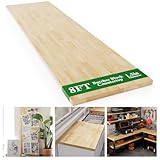
For vaulted or high ceilings, painting them dark forest green and adding exposed brown wood beams creates an intimate, dramatic atmosphere. This is an unexpected way to introduce green without covering walls or cabinets.
What You Need:
– Dark forest green matte ceiling paint
– Exposed brown wood beams (real or faux – pine stained dark)
– White shaker kitchen island with quartz countertop
– Recessed can lights (warm LED, gimbal trim)
– White perimeter cabinets
– Light wood flooring (oak or ash)
How to Achieve This Look:
1. Prep and prime the ceiling (use stain‑blocking primer).
2. Paint ceiling dark forest green with matte finish.
3. Install wood beams across the ceiling (if real, use joist hangers; if faux, follow manufacturer instructions).
4. Install white perimeter cabinets and island.
5. Wire recessed lights to highlight beams.
6. Install light wood flooring.
Pro-Tip: Use beams spaced 4‑6 feet apart for a traditional farmhouse look. For a more modern touch, install a grid pattern.

7. Create a Green and Brown Two-Tone Kitchen with Open Shelving

Pin this two-tone green and brown open shelving kitchen to your ‘Kitchen Reno’ board!
A two‑tone kitchen with dark brown lower cabinets and sage green upper cabinets creates vertical interest. Add open shelving in the same dark brown tone to tie the design together.
What You Need:
– Dark brown wood stain (gel stain to match existing wood)
– Sage green cabinet paint (semi‑gloss for durability)
– Open wooden shelves (solid pine, stained to match lower cabinets)
– Copper kitchen faucet
– White ceramic farmhouse sink
– Copper cabinet knobs for upper cabinets
– Dark bronze knobs for lower cabinets
– White subway backsplash
How to Achieve This Look:
1. Strip and stain lower cabinets dark brown (or refinish existing).
2. Paint upper cabinets sage green.
3. Install open wooden shelves on the upper wall, using black metal brackets.
4. Replace hardware: copper knobs on upper, dark bronze on lower.
5. Install white subway backsplash.
6. Mount copper faucet and farmhouse sink.
Pro-Tip: Use a gel stain on lower cabinets – it covers nicely without stripping if you have a smooth surface.

8. Design a Rustic Green Kitchen Island on a Dark Brown Tile Floor

Save this green island on dark tile floor idea for your rustic kitchen makeover!
If you want a tile floor but still crave a rustic feel, dark brown wood‑look porcelain tile is the answer. Pair it with a weathered sage green island with a butcher block top for a standout focal point.
What You Need:
– Weathered sage green paint (e.g., Annie Sloan “Sage Green” chalk paint)
– Dark brown wood‑look porcelain tile (8×48 inch planks)
– Butcher block island top (walnut, 1.5 inch thick)
– Wrought iron chandelier (rustic, 3‑light)
– White shaker perimeter cabinets
– White quartz countertops (perimeter)
– Black cabinet hardware (iron bin pulls)
How to Achieve This Look:
1. Install dark brown tile floor in a herringbone or staggered pattern.
2. Build or install the kitchen island with perimeter white cabinets.
3. Paint the island weathered sage green, then lightly distress with sandpaper.
4. Install butcher block island top.
5. Wire wrought iron chandelier above the island.
6. Add black hardware to the island.
Pro-Tip: Seal the tile floor with a matte finish grout to mimic natural stone – it adds to the rusticity.

9. Create an Earthy Green Painted Hutch with Brown Rustic Dining Table

Pin this green hutch with brown dining table idea to your ‘Farmhouse Kitchen’ board!
You don’t have to permanently alter cabinetry to get the green‑and‑brown look. An olive green painted hutch paired with a brown rustic dining table brings the palette into your kitchen or breakfast nook with zero renovation.
What You Need:
– Olive green chalk paint (e.g., Annie Sloan “Olive Oil”)
– Vintage or unfinished wooden hutch
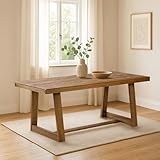
– Brown rustic dining table and benches (solid pine)
– White ceramic dinnerware
– Linen curtains (cream)
– Decorative accessories: wooden cutting boards, ironstone pitcher
How to Achieve This Look:
1. Clean and lightly sand the hutch.
2. Apply two coats of olive green chalk paint, allowing to dry.
3. Distress edges with sandpaper for a worn look.
4. Wax or seal with clear furniture wax.
5. Place hutch against a wall in the dining area.
6. Style with white dishes, wooden boards, and a pitcher.
7. Set up the rustic table in front or adjacent.
Pro-Tip: Use an angled brush for hard‑to‑reach areas on the hutch; a foam roller gives a smooth finish on flat panels.
10. Install Green Glass Front Cabinets with Brown Hardware Accents

Save this green glass-front cabinet design for your rustic kitchen cabinetry inspiration!
Green glass‑front upper cabinets let you display pretty dishware while adding a pop of color. Pair the frames with oil‑rubbed bronze hardware and solid dark brown lower cabinets for a sophisticated, rustic look.
What You Need:
– Sage green paint (semi‑gloss) for cabinet frames
– Glass cabinet inserts (with mullions, if desired)
– Dark brown stain for lower cabinets
– Oil‑rubbed bronze hinges (self‑closing)
– Oil‑rubbed bronze cabinet pulls (bin or cup pulls)
– Interior cabinet lighting (puck lights)
– Stylish dishware for display
How to Achieve This Look:
1. Remove upper cabinet doors and route or order new frames for glass inserts.
2. Paint the cabinet boxes and door frames sage green.
3. Install glass inserts (or have doors glazed professionally).
4. Stain or paint lower cabinets dark brown.
5. Install oil‑rubbed bronze hinges and pulls.
6. Add puck lights inside upper cabinets, wired to a switch.
Pro-Tip: Use glass shelves inside to keep the visual light. Frosted glass is an option if you don’t want to style everything perfectly.

11. Biophilic Design with Green Plants and Brown Wood Textures

Add this biophilic green and brown kitchen idea to your ‘Nature Inspired Home’ board!
Who needs paint when you have green plants? A biophilic kitchen relies on living greenery and brown wood textures to create a direct connection to nature. Install a vertical herb garden and surround it with reclaimed wood shelves.
What You Need:
– Vertical herb garden wall planter (modular, with drip tray)
– Reclaimed wood floating shelves (wall‑mount)
– Brown butcher block countertop
– White ceramic pots (assorted sizes)
– Indoor plants: basil, mint, ferns, spider plants, pothos
– Natural stone backsplash (slate or limestone)
– Matte black or brass faucet
How to Achieve This Look:
1. Mount the vertical herb planter on a sunny wall (near a window or under a skylight).
2. Install reclaimed wood floating shelves above or beside planter.
3. Place white pots with herbs and trailing plants on shelves.
4. Use a butcher block countertop adjacent to the herb wall.
5. Add a natural stone backsplash to echo the earthy browns.
6. Install a matte black or brass faucet for contrast.
Pro-Tip: Choose low‑light tolerant plants like pothos and snake plants if your kitchen doesn’t get direct sun. For herbs, supplement with a small grow light.

12. Dark Green and Brown Country Farmhouse with Copper Accents

Save this dark green country farmhouse kitchen with copper accents – it’s pure charm!
Embrace full country farmhouse style with hunter green shaker cabinets, brown butcher block counters, and copper accents everywhere. This look is cozy, timeless, and full of character.
What You Need:
– Hunter green cabinet paint (e.g., Benjamin Moore “Hunter Green” – LRV ~15)
– Brown butcher block countertops (walnut or oak)
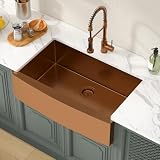
– Copper farmhouse sink (hammered, 33 inches)
– Copper gooseneck faucet
– Copper pendant lights (two over island)
– Cream subway tile backsplash
– Wide‑plank pine flooring (stained brown)
– Open shelving in dark wood
How to Achieve This Look:
1. Paint all cabinets hunter green with a matte finish.
2. Install butcher block countertops on perimeter and island.
3. Set the copper farmhouse sink and mount the copper faucet.
4. Wire copper pendant lights above the island.
5. Install cream subway backsplash in a brick pattern.
6. Lay wide‑plank pine flooring stained brown.
7. Add open shelving with dark wood brackets.
Pro-Tip: Mix copper and brass finishes throughout the space (faucet, lights, cabinet pulls) for a collected‑over‑time look that feels authentic.
13. Green and Brown Kitchen with Natural Stone Backsplash and Wood Countertops

Pin this green and brown kitchen with stone and wood – nature’s perfect pair.
Combine forest green lower cabinets with brown wood countertops and a natural stone backsplash for a rugged, organic look that feels like it belongs in a woodland cabin.
What You Need:
– Forest green cabinet paint (matte finish)
– Brown wood countertops (teak or ipe – very durable)
– Natural stone stacked backsplash (ledger panel in beige/brown)
– Brass gooseneck faucet
– Brass cabinet pulls
– Light oak hardwood flooring
– White upper cabinets or open shelves
How to Achieve This Look:
1. Paint lower cabinets forest green.
2. Install brown wood countertops (seal with marine varnish for water resistance).
3. Mount natural stone ledger panels as a backsplash.
4. Install brass faucet and pulls.
5. Keep upper walls light (white upper cabinets or open pine shelves) to avoid overpowering.
6. Lay light oak flooring.
Pro-Tip: Teak and ipe are naturally rot‑resistant, making them excellent choices for countertops near sinks – just reseal annually.

FAQs About Rustic Green and Brown Kitchen Designs
What shade of green goes best with brown cabinets?
Sage and olive green are the safest choices because they have warm undertones that harmonize with brown wood. For a bolder look, forest or emerald green works if you balance with light neutrals. Always consider the LRV: for smaller kitchens, choose greens with LRV above 30.
Do green and brown go together in a kitchen?
Yes, green and brown are a classic nature‑inspired pair. Green represents foliage, brown represents wood – they create a grounded, organic aesthetic. The key is using the right shades and adding white or cream to prevent the space from feeling too dark.
How do I lighten a dark green and brown kitchen?
Add a white or cream backsplash, install under‑cabinet LED lighting, choose a green cabinet paint with an LRV of 30 or higher, use open shelving to break up dark masses, and lay a light‑colored runner rug. Also, maximize natural light with sheer window treatments.
Are green kitchens just a passing trend?
Green kitchens are not a passing trend – they are a versatile, timeless color choice. Earth tones have been popular in design for decades, and green’s connection to nature aligns with the growing biophilic design movement. In 2026, searches for green kitchen ideas continue to rise.
What hardware finishes work best in a rustic green kitchen?
Oil‑rubbed bronze, brass, and copper are the most complementary finishes for rustic green and brown kitchens. They add warmth and patina that reinforce the rustic aesthetic. Brushed nickel can work for a more transitional look.
Should I paint my kitchen walls green or the cabinets green?
It depends on your risk tolerance and natural light. Painting walls green is easier to change later, while green cabinets make a stronger statement. For small or north‑facing kitchens, start with green walls or an accent wall before committing to cabinetry.
What countertops look best with green cabinets and brown floors?
Butcher block, soapstone, and white marble are excellent choices. Butcher block continues the natural wood theme; soapstone offers a dark, matte contrast; white marble lightens the space. Avoid busy granite patterns that can clash with the green tones.
Key Takeaways
- Balance is everything. Combine deep green and brown with enough white, cream, or light wood to prevent the space from feeling cave‑like. Use LRV guidelines when selecting paint.
- Material pairings matter. A quick reference: Mossy Green + Distressed Oak, Forest Green + Walnut, Sage Green + Light Birch. Use the Material Pairing Guide table to get started.
- Thirteen distinct ideas give you a blueprint for every style—from a forest green island on tile to a biophilic plant‑filled kitchen. Each idea includes a “What You Need” list for easy replication.
- Hardware and lighting are the secret weapons. Copper, brass, and oil‑rubbed bronze accents elevate green cabinets, while under‑cabinet and pendant lighting banish darkness.
- You can start small. A painted hutch, a vertical herb garden, or a green accent wall can introduce the trend without a full renovation.
Which of these 13 ideas will you try first? Whether you’re dreaming of a full remodel or a weekend paint project, the perfect rustic green and brown kitchen is within reach. Let nature inspire your next design move.
Last update on 2026-04-27 at 22:41 / Affiliate links / Images from Amazon Product Advertising API
