
As an Amazon Associate KitchenwareSets.com earns from qualifying purchases.
11 Serene Coastal Kitchen Ideas for a Summer Home Aesthetic
Are you struggling to balance luxury with a relaxed beach house vibe? Designing serene coastal kitchen ideas often feels incredibly frustrating. You want a bright space without relying on kitschy nautical themes. Dark rooms can make this aesthetic seem impossible to achieve.
To create a serene coastal kitchen prioritize a light and bright color palette using creamy white cabinetry paired with soft blues or sage greens. Incorporate organic textures like woven rattan stools and driftwood finishes while maximizing natural light to evoke a timeless relaxed beach house vibe. This strategy instantly transforms dark rooms into tranquil spaces.
Drawing from comprehensive analysis of interior design principles and architectural standards we reveal proven solutions. We will explore eleven actionable ways to elevate your coastal kitchen design today. You will discover how durable seaside finishes completely transform your space. Implement these verified tactics to build your ultimate coastal sanctuary.
Contents
show
How Do I Make My Space Look Like a Serene Coastal Kitchen?
Making your space look like a serene coastal kitchen requires transitioning from dark cluttered areas to sun-drenched airy atmospheres. You must prioritize light reflectance values and biophilic design over literal maritime decorations.
Achieving this modern coastal kitchen aesthetic means moving far past traditional seashell and anchor motifs. The elevated coastal look heavily emphasizes material science, natural light optimization, and high-end organic textures. Instead of forcing a theme, you want to cultivate a specific feeling of relaxation and luxury. This begins by establishing a light and bright architectural baseline. You can effortlessly bridge the gap between elegance and comfort by pairing white kitchen cabinets with warm wood tones.
Understanding how to navigate seaside environments is critical for this transformation. Your design must incorporate durable seaside finishes that actively withstand humid salt air without losing their luster. By relying on proven interior design principles, you can easily shift a heavy, dark room into a serene coastal retreat. The secret lies in balancing sleek, modern appliances with a weathered texture and soft blues pulled directly from the shoreline.
11 Serene Coastal Kitchen Ideas to Bring the Beach Inside
To bring the beach inside install creamy white Shaker cabinets, style rattan stools with a blue island, and upgrade to durable quartz countertops. Hang glass pendant lighting, incorporate natural driftwood accents, and paint a sage green subway backsplash to complete the look.
Transforming your cooking space into a modern luxury coastal kitchen inspiration 2026 requires a structured, actionable approach. It is not enough to simply look at beautiful inspiration galleries; you need to understand the physical materials and styling implementation required. Each design choice must actively contribute to the overall coastal atmosphere while enhancing your indoor outdoor living experience.
When you apply these affordable coastal kitchen decorating tips, you solve common pain points like dark kitchen lighting and visual clutter. By strategically combining process action keywords with related entities, you can build a highly functional yet breathtakingly beautiful room. Let us dive into the specific decorating and renovation steps you need to physically achieve your desired aesthetic.
1. Installing Creamy White Shaker Cabinets for a Light and Bright Base

Pin this brilliant cabinet refresh to your ‘Dream Beach Kitchen’ board!
Establishing the foundational color is your most important architectural decision. Installing creamy white cabinets provides the necessary light and bright baseline for your coastal aesthetic. When comparing shaker vs flat panel styles, shaker cabinets offer a timeless depth that modern flat panels lack. Warm whites work beautifully to mimic a sun-drenched beach house vibe without feeling sterile or clinical.
Design Elements Needed
- Creamy white cabinet paint (look for warm undertones to avoid a clinical feel)
- Shaker-style cabinet doors (timeless design vs trendy flat panels)
- Brushed brass or nickel hardware (for salt-air resistance and warmth)
- High-quality deglosser and primer (essential for durable kitchen finishes)
- Foam rollers and angled brushes (for a smooth, professional application)
Styling & Implementation Steps
- Remove and prep all cabinet doors, cleaning them thoroughly with a heavy-duty deglosser to remove kitchen grease.
- Apply a high-adhesion primer to ensure the paint grips the surface properly, which is vital for high-traffic coastal kitchens.
- Paint the cabinets using a foam roller for flat surfaces and an angled brush for the Shaker recesses, applying two to three thin coats.
- Install the brushed brass hardware perfectly centered on the Shaker trim to elevate the luxe finishes of the room.
- Reattach the doors and balance the bright white with warm wood tones elsewhere in the space.
Pro-Tip: In high-end residential projects, interior designers often rely on cabinet paints with a Light Reflectance Value (LRV) between 75 and 85. This range captures the airy atmosphere of the beach without causing a harsh, blinding glare when the afternoon sun hits the kitchen.

2. Styling Rattan Counter Stools with a Soft Blue Island

Save this perfect island color combination for your upcoming kitchen remodel!
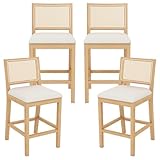
Injecting subtle coastal color and organic textures transforms the kitchen’s centerpoint. Styling rattan counter stools against a soft blue island creates a stunning visual contrast. The woven textures of the rattan provide physical warmth that balances the cool pelagic influence of the blue paint. This blue island + gold hardware pairing instantly establishes a breezy aesthetic essential for a coastal living kitchen.
Design Elements Needed
- Woven rattan counter stools (brings in necessary organic, beachy texture)
- Soft blue or slate blue cabinet paint (evokes the pelagic influence of the sea)
- Gold or brass island hardware (creates the classic blue island + gold hardware pairing)
- Clear protective topcoat (to prevent scuffing on the island kickboard)
- Linen seat cushions (optional, adds comfort and softness)
Styling & Implementation Steps
- Paint the island base in a muted, tranquil palette like soft sea-glass blue or weathered navy to contrast with the surrounding white cabinets.
- Measure your island overhang; ensure you have at least 10-12 inches of knee clearance for comfortable seating.
- Select your rattan stools based on counter height (typically 24-26 inches from floor to seat for standard kitchen islands).
- Position the stools evenly, allowing roughly 24-28 inches of width per seat to maintain an airy, uncluttered look.
- Accessorize the island surface minimally with a wooden dough bowl or sea glass vase to tie the organic elements together.
Pro-Tip: When utilizing color psychology in kitchens, soft, muted blues lower the heart rate and promote a serene environment. Pair these cool tones with the physical warmth of rattan or wicker to achieve perfectly balanced biophilic coastal design.
3. Upgrading to Quartz Countertops for Durable Seaside Finishes

Pin this durable and stunning countertop idea to your renovation board!
Making an informed decision on countertop materials ensures your space looks luxurious while withstanding heavy daily use. Upgrading to quartz countertops solves the massive maintenance problems associated with porous natural stone. When evaluating quartz vs marble countertops, quartz clearly wins by offering incredibly durable seaside finishes. These luxe finishes mimic marble islands perfectly while aggressively resisting stubborn stains and destructive salt air environments.
Design Elements Needed
- Marble-look quartz slabs (features subtle veining without the maintenance of real stone)
- Eased or waterfall edge profile (keeps the minimalist coastal vibe clean and modern)
- Daily quartz cleaner (maintains the bright, reflective sheen)
- Soft microfiber cloths (for streak-free wiping)
- Silicone trivets (to protect from extreme heat, though quartz is highly durable)
Styling & Implementation Steps
- Compare slab samples in your actual kitchen to see how the natural light reflects off the quartz at different times of the day.
- Choose a subtle veining pattern (like soft grays or taupes) to mimic sand and water movement rather than heavy, dramatic marble streaks.
- Coordinate the countertop tone with your creamy white cabinets to ensure the whites do not clash (cool white vs warm white).
- Maintain the surface daily using a specialized pH-balanced quartz cleaner and a microfiber cloth to prevent dulling.
- Keep the counters uncluttered, displaying only functional, beautiful items like a wooden cutting board or a sleek salt cellar.
Pro-Tip: In high-end coastal home architecture, we recommend quartz over natural marble. Material science shows that quartz is non-porous, meaning it won’t absorb spilled red wine or harbor bacteria, making it the ultimate stain-resistant countertop for heavily used vacation rentals.

4. Designing an Airy Atmosphere with Glass Pendant Lighting

Save this stunning coastal lighting inspiration for your home!
Visual clutter can quickly ruin an open-concept layout. Designing an airy atmosphere requires strategic modern home lighting that illuminates without obstructing views. Glass pendant lights excel at natural light optimization because they remain visually transparent. Pairing pendant lighting + kitchen island areas ensures you get necessary task lighting while keeping your beautiful beachfront sightlines completely clear.
Design Elements Needed
- Seeded or clear glass pendant lights (resembles water droplets or sea glass)
- Edison-style or warm LED bulbs (aim for 2700K-3000K temperature for a warm, inviting glow)
- Brass or nickel downrods/chains (to match cabinet hardware)
- Measuring tape and laser level (for perfect installation alignment)
- Dimmer switches (crucial for adjusting ambiance from day to night)
Styling & Implementation Steps
- Select oversized glass fixtures; because glass is transparent, you can go larger in scale without making the room feel heavy or cramped.
- Calculate the spacing by dividing the length of your island by the number of pendants plus one to find the center points for installation.
- Hang the pendants at the optimal architectural height: exactly 30 to 36 inches from the top of the countertop to the bottom rim of the light fixture.
- Install dimmer switches to easily transition the lighting from bright daytime task work to a relaxed, moody evening aesthetic.
- Keep the glass pristine by wiping weekly with a microfiber cloth and glass cleaner to maximize light reflectance.
Pro-Tip: According to modern lighting standards, maintaining clear sightlines is crucial in open plan coastal kitchen and dining rooms. Glass pendants are visually “weightless,” ensuring your view of the living room or beachfront window remains completely unobstructed.

5. Incorporating Driftwood Accents to Enhance Warm Wood Tones

Pin this gorgeous natural texture idea to bring warmth to your white kitchen!
All-white modern spaces often run the risk of looking sterile and uninviting. Incorporating driftwood accents breathes life back into the room by introducing authentic weathered texture. The combination of driftwood + white paint perfectly embodies biophilic coastal design principles. These ashy wood tones provide an organic feel that grounds the space without relying on cliché beach decorations.
Design Elements Needed
- Natural or faux driftwood bowls/trays (for corralling counter items)
- Reclaimed wood cutting boards (leaned against the backsplash)
- Woven seagrass placemats (to layer under wooden elements)
- Clear matte wood sealant (to protect genuine driftwood pieces from kitchen moisture)
- Fresh organic elements (like lemons, artichokes, or eucalyptus for the bowl)
Styling & Implementation Steps
- Source authentic or realistic driftwood pieces that feature ashy, gray-brown undertones rather than heavily stained, warm orange woods.
- Seal porous wood pieces with a clear, food-safe matte sealant if they will be used near the sink or stove area to prevent grease absorption.
- Layer the textures by leaning a large reclaimed wood cutting board against your bright white backsplash to instantly warm up the sightline.
- Create a focal point centerpiece on the island using a long, shallow driftwood bowl.
- Fill the driftwood bowl with vibrant, fresh produce (like bright yellow lemons or green apples) to create a striking biophilic color contrast against the weathered wood.
Pro-Tip: The secret to avoiding kitschy coastal decor is embracing natural patina. Certified sustainable wood and genuine driftwood with physical imperfections elevate the room, creating an organic feel that perfectly balances the sleekness of modern appliances.

6. Painting a Subway Tile Backsplash in Muted Sage Greens

Save this beautiful muted green backsplash idea for your serene kitchen!
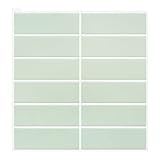
Exploring alternative coastal colors beyond standard navy blue opens up sophisticated design avenues. Painting or installing a subway tile backsplash in muted sage greens creates an incredibly earthy, refreshing vibe. The pairing of subway tile + sage green reflects the natural tidal colors found in dune vegetation. This tranquil palette provides a calming visual break from expansive white cabinetry.
Design Elements Needed
- Sage green ceramic subway tiles (look for slightly undulating, artisan-style surfaces)
- Bright white or soft gray grout (white makes it pop, gray blends softly)
- Tile adhesive/mastic and notched trowel
- Tile spacers (1/16 or 1/8 inch for a modern, tight grout line)
- Grout sealer (vital for easy-clean backsplashes near the stove)
Styling & Implementation Steps
- Prep the drywall ensuring it is completely smooth, clean, and dry before beginning installation.
- Apply the tile adhesive using a notched trowel, working in small sections so the mastic doesn’t dry out.
- Lay the tiles in a classic offset brick pattern or a modern vertical stack, using spacers to ensure uniform gaps.
- Apply the grout using a rubber float, pressing it deeply into the joints, then wipe the excess away with a damp sponge at a 45-degree angle.
- Seal the grout lines thoroughly after curing to create an easy-clean backsplash that resists tomato sauce and grease splatters.
Pro-Tip: While blue is the traditional seaside go-to, sage greens mimic the coastal seagrass and dune vegetation. Using artisan handcrafted tiles with slight surface imperfections allows light to bounce unevenly, creating a stunning rippling water effect across your walls.
7. Selecting Brass Faucet Hardware to Complement a Farmhouse Sink

Pin this elegant brass and farmhouse sink pairing to your kitchen board!
Understanding how to mix metallic finishes elevates your wet zones from basic to bespoke. Selecting brass hardware to pair with a deep farmhouse sink perfectly merges traditional Hamptons decor with a modern coastal aesthetic. The classic brass faucet + farmhouse sink combination offers immense practical utility while injecting necessary warmth. When comparing a coastal vs farmhouse kitchen, this functional appliance pairing represents the best of both worlds.
Design Elements Needed
- White fireclay or cast-iron farmhouse sink (apron-front design for classic coastal appeal)
- Brushed brass gooseneck faucet (look for PVD finish for supreme durability)
- Matching brass sink drain and disposal flange (cohesive detailing matters)
- Plumbers putty and Teflon tape (for leak-free installation)
- Striped linen dish towels (for styling the sink edge)
Styling & Implementation Steps
- Reinforce your base cabinets prior to installation; heavy fireclay farmhouse sinks require substantial structural support underneath.
- Install the apron-front sink flush with or slightly protruding from the cabinet line for that classic, heavy architectural look.
- Mount the brass gooseneck faucet, ensuring you use a durable PVD (Physical Vapor Deposition) finish that resists tarnishing from wet hands and coastal humidity.
- Coordinate the metals by ensuring your sink flange, soap dispenser, and cabinet pulls share the exact same brass undertone.
- Style the area by draping a high-quality, absorbent linen dish towel with soft blue or gray stripes over the apron edge.
Pro-Tip: When debating coastal vs farmhouse kitchen styles, the sink area is where they perfectly merge. However, always opt for an unlacquered or PVD brushed brass faucet over shiny gold. The brushed texture hides water spots and ages beautifully, adding organic character to the kitchen’s hardest-working zone.

8. Arranging Open Shelving to Display Sea Glass Decor

Pin this stunning open shelving styling guide to your coastal decor board!
Mastering the art of visual balance is essential for fixing cluttered spaces. Arranging open shelving strategically transforms basic storage into stunning beachy interior design. Combining shiplap walls + open shelves creates a textured architectural canvas. This allows your colorful sea glass decor to shine beautifully against the crisp white background without overwhelming the room.
Design Elements Needed
- Thick floating oak shelves (2-inch thickness looks substantial and luxurious)
- Heavy-duty concealed mounting brackets (rated for 50+ pounds to hold dishware safely)
- Authentic or frosted sea glass vases (in muted aquas, teals, and soft blues)
- Everyday white ceramic dishware (plates, bowls, and mugs for functional styling)
- Small trailing houseplants (like Pothos to add organic movement)
Styling & Implementation Steps
- Install heavy-duty hidden brackets directly into the wall studs; kitchen plates are incredibly heavy, and drywall anchors will fail.
- Mount the floating wood shelves over a textured background, like vertical shiplap, to add architectural interest behind the objects.
- Anchor the layout by placing your heaviest, most functional items (stacks of white dinner plates or bowls) on the lowest, easiest-to-reach shelf.
- Group items in threes (the rule of odds) on the upper shelves, mixing heights and textures.
- Place the sea glass decor near the edges where natural light hits them, allowing the frosted blue and green glass to glow and inject subtle coastal color into the room.
Pro-Tip: Professional designers avoid fixing cluttered spaces by strictly adhering to a 70/30 rule on open shelving. Keep 70% of the shelf space for functional, monochromatic items (like everyday white ceramics) and 30% for decorative, colorful elements (like sea glass or plants) with plenty of negative space in between.

9. Transforming the Space with Natural Wood Flooring Textures

Save this beautiful flooring foundation idea for your coastal remodel!
Selecting the perfect flooring material anchors your white cabinetry while drastically warming the entire room. Transforming the space with natural wood flooring introduces a sand-colored foundation that beautifully mimics the beach outside. The contrast of oak flooring + white walls connects the indoor aesthetic directly to the outdoor beachfront environment. Aligning with current hardwood flooring trends ensures your renovation maximizes both beauty and long-term home value appreciation.
Design Elements Needed
- Wide-plank white oak flooring (engineered hardwood or high-quality LVP for water resistance)
- Matte, natural-tone polyurethane sealer (to avoid an outdated, glossy orange look)
- Natural jute or sisal runner rug (adds a layer of cozy, durable texture)
- Felt furniture pads (crucial for protecting the floors from heavy counter stools)
- Bona or specialized hardwood floor cleaner
Styling & Implementation Steps
- Select wide planks (7 to 9 inches wide); broader planks mean fewer seams, making a small space layout feel much larger and more expansive.
- Choose a sand-colored, matte finish which brilliantly hides actual beach sand, dust, and daily crumbs far better than dark, glossy espresso floors.
- Run the planks vertically outward from the front door or main focal window to draw the eye toward the ocean view or natural light source.
- Soften the high-traffic zones by laying down a durable, woven jute or sisal runner rug in front of the kitchen sink or between the island and stove.
- Attach heavy-duty felt pads to the bottom of your rattan counter stools to prevent scratching the beautiful wood finish.
Pro-Tip: When reviewing hardwood flooring trends for luxury beach homes, experts heavily favor wide-plank European white oak finished with a UV-cured matte oil. This specific finish resists the fading caused by intense sun-drenched windows and maintains the raw, organic aesthetic.

10. Brightening the Layout with Woven Textures and Linen Curtains

Pin this breezy curtain styling to add softness to your kitchen!
Using strategic textiles makes a highly functional cooking space feel cozier and much more like a relaxed living area. Brightening the layout with woven textures and natural linen curtains directly softens the harsh, hard lines of standard cabinetry and stone counters. Pairing linen textures + neutral palette fabrics introduces movement that mimics an ocean breeze. This breezy aesthetic is the cornerstone of the comfortable, coastal grandmother style.
Design Elements Needed
- Light-filtering, 100% natural linen curtains (in white or unbleached flax)
- Matte black or brass curtain rods (to tie into hardware finishes)
- Curtain rings with clips (for easy sliding and a relaxed drape)
- Woven seagrass baskets (for storing kitchen linens or produce nearby)
- Fabric steamer (to remove harsh wrinkles while maintaining the natural crinkle)
Styling & Implementation Steps
- Mount the curtain rod high and wide; aim for 4 to 6 inches above the window frame and extending 3 to 6 inches on either side to make the window look massive and maximize natural light.
- Choose light-filtering linen panels rather than heavy blackout drapes to allow the sun to softly penetrate the room even when drawn.
- Attach the curtains using ring clips instead of sliding the rod through a pocket; this ensures they slide effortlessly and drape with a relaxed, elevated look.
- Let them kiss the floor or “puddle” slightly (about 1 inch of extra length) for that effortless, luxurious beach house vibe.
- Use a handheld fabric steamer to release harsh packaging creases, but leave the natural, organic wrinkles inherent to authentic linen to maintain texture.
Pro-Tip: In acoustic design for open layouts, kitchens often suffer from echoes due to expansive stone counters and wood floors. Adding woven textures and heavy linen curtains dramatically absorbs sound, contributing to the true serenity and calmness of the space.

11. Integrating Beaded Chandeliers to Anchor the Modern Coastal Kitchen

Pin this spectacular lighting statement piece to finish your kitchen design!
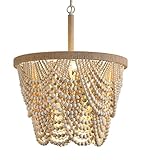
Finding the perfect statement piece ties the entire room together in a uniquely impactful way. Integrating a beaded chandelier serves as a powerful focal point that confidently defines your luxury beach kitchen. This fixture has rapidly become a hallmark of modern coastal trends, completely replacing heavy, outdated wrought iron lighting. A whitewashed wood bead design ensures a timeless design that adds immense texture without visually weighing down the room.
Design Elements Needed
- Whitewashed or natural wood beaded chandelier (look for swooping, draped designs)
- Candle-style LED light bulbs (in warm 2700K color temperature)
- Heavy-duty ceiling electrical box (to support the weight of wooden beads)
- Adjustable chain or downrod (for customized hanging heights)
- Microfiber duster (essential for cleaning the intricate beadwork)
Styling & Implementation Steps
- Size the chandelier appropriately: Add your room’s length and width in feet; that number in inches is the ideal diameter for your statement fixture (e.g., a 12×14 foot room needs a 26-inch wide chandelier).
- Turn off the main breaker before installing the heavy-duty ceiling bracket to support the weight of the solid wood beads.
- Hang the fixture centered over your kitchen eat-in table or large center island, aiming for roughly 34-36 inches above the surface.
- Install warm candle-style LED bulbs to create a cozy, dappled light effect that filters beautifully through the wooden strands.
- Drape the bead strings naturally, ensuring they hang evenly, and dust them monthly to keep the whitewash looking vibrant and clean.
Pro-Tip: If you are navigating coastal kitchen lighting for low ceilings, seek out flush-mount or semi-flush-mount beaded fixtures. They provide the exact same high-end, textural impact and biophilic coastal design elements without encroaching on head clearance or sightlines.
Key Takeaways: Your Quick Guide to Serene Coastal Kitchen Ideas
You do not have to reread the entire post to remember these crucial styling steps. The magic of a true beach house vibe lies in the synthesis of material science and spatial psychology. By combining creamy white cabinets with highly durable kitchen finishes, you instantly achieve that highly coveted light airy elements. Use this quick, scannable guide to keep your serene kitchen space project perfectly on track.
- Anchor with Warm, Creamy Whites: Base your serene coastal kitchen ideas on warm whites with high Light Reflectance Values (LRV) to mimic sun-drenched beach houses without causing clinical, harsh glare.
- Layer in Organic Textures: Offset sleek cabinetry by styling the space with tactile elements like woven rattan stools, sisal rugs, and authentic driftwood accents to achieve a true organic feel.
- Prioritize Durable Seaside Finishes: Opt for non-porous quartz over natural marble to conquer dark kitchen solutions while providing extreme resistance to stains, humidity, and salt air.
- Mix Metals Strategically: Pair stainless steel modern appliances with brushed brass or gold hardware to inject warmth into the tranquil palette and elevate the space beyond a basic builder-grade look.
- Maximize Sightlines with Glass: Use seeded or clear glass pendant lighting over the island to provide vital task lighting without obstructing the room’s airy atmosphere or ocean views.
- Embrace Soft, Muted Colors: Move beyond stark navy by incorporating sage greens and sea-glass blues in your backsplash and island paint to invoke sophisticated biophilic coastal design.
- Soften Hard Architecture with Textiles: Introduce natural linen curtains and woven runners to dramatically improve acoustics in open-concept spaces and soften the harsh lines of standard cabinetry.
People Also Ask About Serene Coastal Kitchen Ideas
After reviewing these inspirational ideas, you might still have specific queries regarding material choices, exact color matching, or budget comparisons. Understanding how to handle these common coastal kitchen queries helps you avoid expensive renovation mistakes. We have gathered the most frequently asked questions about serene coastal kitchen ideas to clarify the specifics of this design aesthetic.
What is the difference between coastal and nautical design?
Coastal design focuses on a serene, light-filled aesthetic using organic textures and soft beach-inspired colors, whereas nautical design heavily utilizes literal motifs like anchors, ship wheels, and stark navy-and-white stripes.
To achieve an elevated coastal vs nautical look, professionals avoid kitschy décor. Instead, they rely on natural materials like driftwood, rattan, and sea glass to evoke the feeling of the beach through subtle textures rather than literal maritime objects.
How do I make my dark kitchen look serene coastal?
To make a dark kitchen look serene coastal, prioritize high-LRV creamy white cabinet paint, install reflective quartz countertops, and maximize artificial lighting with glass pendants and under-cabinet LEDs.
Additionally, swapping out heavy, dark window treatments for light-filtering linen curtains will instantly brighten the space. Incorporating a light, sand-colored wide-plank oak floor also helps bounce whatever natural light you do have throughout the room.
Are white cabinets good for a beach house?
Yes, white cabinets are the gold standard for a beach house because they reflect natural sunlight beautifully, making the space feel expansive, airy, and inherently clean.
However, it is crucial to select a warm, creamy white rather than a stark, hospital white. Warm whites pair much better with the natural wood tones and soft blues typically found in relaxed home style interiors.
Should I use quartz or marble for a coastal look?
You should use quartz for a coastal look because it offers the luxurious, soft-veined appearance of natural marble but provides a non-porous, durable surface that resists stains and humid salt air.
While marble is beautiful, it requires heavy maintenance and sealing to prevent staining from red wine or citrus. Quartz allows you to maintain a pristine, bright aesthetic with virtually zero maintenance, which is ideal for vacation homes.
What are the best colors for a coastal kitchen?
The best colors for a coastal kitchen include creamy whites, soft sea-glass blues, muted sage greens, and warm sandy taupes.
These colors are directly pulled from nature—mimicking the sky, ocean, dune grasses, and sand. By keeping the foundation neutral and layering these soft aquatic tones on the kitchen island or backsplash, you create a timeless and tranquil palette.
How to achieve the ‘coastal grandmother’ kitchen look?
To achieve the ‘coastal grandmother’ kitchen look, blend classic, high-end traditional elements like shaker cabinets and farmhouse sinks with cozy, lived-in textiles, fresh flowers, and vintage ceramics.
This trending micro-style emphasizes effortless luxury and comfort. Displaying your functional kitchenware on open shelves, incorporating unlacquered brass hardware, and utilizing lots of natural linen fabrics will perfectly capture this warm, welcoming aesthetic.
What hardware finishes suit coastal kitchens?
The best hardware finishes for coastal kitchens are brushed brass, polished nickel, and matte black.
Brushed brass adds a sun-kissed warmth that contrasts beautifully with white and blue cabinetry. Polished nickel offers a classic, slightly warmer alternative to standard chrome, while matte black can ground the space and add a touch of modern, industrial contrast to a light and airy room.
Is shiplap still popular in 2025 kitchens?
Yes, shiplap remains highly popular in 2026 coastal kitchens, but the trend has shifted from rustic farmhouse applications to clean, vertical installations painted in crisp whites or moody blues.
When installed vertically, shiplap draws the eye upward, making ceilings feel taller and adding necessary architectural texture to otherwise flat, boring drywall without feeling outdated.
How to mix wood tones in a coastal kitchen?
To mix wood tones successfully, choose one dominant wood finish (like wide-plank white oak floors) and layer in 1 to 2 accent woods (like a reclaimed driftwood bowl or walnut cutting boards) with similar undertones.
Avoid mixing woods with clashing undertones—such as a warm orange cherry wood with an ashy gray driftwood. Keeping the undertones cohesive (either all warm or all cool/ashy) ensures the space feels intentional and harmonious.
What backsplashes look best in beach houses?
The best backsplashes for beach houses are artisan ceramic subway tiles, subtly veined quartz slabs, and authentic sea glass mosaics in soft, muted tones.
For a timeless look, a glossy white or sage green subway tile laid in a traditional brick or modern vertical pattern is highly recommended. The gloss finish reflects light around the room, mimicking the shimmering surface of the ocean.
Final Thoughts on Designing Your Serene Coastal Kitchen
Bringing your serene coastal kitchen ideas to life is about much more than just painting a room blue and hanging a picture of the ocean. It is a deliberate, architectural approach to light, texture, and relaxed luxury. By transitioning away from heavy, dark materials and embracing high-LRV creamy whites, organic woven textures, and durable quartz surfaces, you create a beach house kitchen that truly breathes.
The most successful modern coastal trends strike a perfect balance between high-end elegance and barefoot comfort. Whether you are installing a statement beaded chandelier or simply upgrading your hardware to a warm brushed brass, every choice should work to maximize natural light and evoke the tranquility of the shoreline. Remember that the ultimate goal of a coastal kitchen remodel is longevity. By choosing timeless design elements, natural woods, and muted, earth-toned palettes over kitschy seasonal decor, you ensure your space drives home value appreciation and remains beautiful for decades.
Are you ready to transform your dark cooking space into a sun-drenched serene kitchen space? Start by tackling your lighting and cabinet paint first, and the rest of your organic textures and luxe finishes will naturally fall into place. Which of these eleven coastal design elements are you most excited to integrate into your renovation project?
Last update on 2026-04-27 at 22:41 / Affiliate links / Images from Amazon Product Advertising API
