
As an Amazon Associate KitchenwareSets.com earns from qualifying purchases.
11 Elegant Small Outdoor Kitchen Setup Ideas for Your Family
Dreaming of summer barbecues but stuck with a tiny, uninspiring patio? Navigating a limited outdoor footprint can often feel incredibly frustrating and creatively limiting. Fortunately, a stylish small outdoor kitchen setup is entirely achievable on almost any budget.
A small outdoor kitchen setup is a compact, functional cooking area designed for limited spaces like patios or balconies. It typically includes a grill, a prep counter, and some storage, all optimized to maximize efficiency and style in a small footprint. This makes elegant outdoor cooking accessible and enjoyable for any home.
Drawing from proven space-saving techniques and verified industry standards, we compiled this definitive guide. You will discover 11 actionable, family-friendly kitchen configurations tailored specifically for restricted spaces. Prepare to transform your cramped balcony into a stunning culinary retreat today.
Contents
show
11 Elegant Small Outdoor Kitchen Setup Ideas for Your Family
Creating a functional outdoor kitchen in a restricted footprint requires strategic planning and smart design principles. Before diving into construction, it is crucial to assess your specific spatial constraints, utility access, and primary cooking needs. Whether you are dealing with a narrow urban balcony or a compact suburban backyard patio, the right configuration can dramatically enhance your outdoor entertainment area. We have curated 11 distinct, space-saving outdoor kitchen ideas that prioritize both aesthetics and utility. By integrating tested outdoor kitchen materials and modular layouts, these concepts empower you to maximize every square inch. Let’s explore these innovative, highly actionable solutions to find the perfect fit for your home’s unique layout.
1. Set Up a Modular Vertical Kitchen Station

Pin this space-saving idea to your ‘Outdoor Living’ board!
When floor space is scarce, building upward is your best strategy. Modular outdoor kitchen units offer flexible, apartment-friendly solutions that maximize storage capabilities without demanding a large footprint. By utilizing vertical shelving frameworks, you immediately gain valuable real estate for both tools and ingredients.
What You Need
- A weather-resistant modular shelving unit (powder-coated steel or aluminum recommended)
- One solid shelf piece to act as a prep counter (e.g., a butcher block or stainless steel insert)
- S-hooks for hanging grilling tools
- Compact storage bins or baskets that fit the shelves
- Optional: Clip-on lighting for evening use
Setup Steps
- Choose a level spot against a wall or railing on your patio or balcony.
- Assemble the modular outdoor kitchen unit according to the manufacturer’s instructions, ensuring it’s stable.
- Install the solid shelf at a comfortable counter height (typically 36 inches).
- Organize your supplies: place heavy items on lower shelves, frequently used items at counter level, and herbs or decor on top.
- Use S-hooks to hang tongs, spatulas, and other essential tools for easy access.
Pro-Tip: My experience shows that securing the top of the unit to a wall or railing with outdoor-grade cable ties adds significant stability. This addresses fundamental ergonomic design principles outdoor kitchens use to optimize workflow while prioritizing safety and proven weather resistance against wind.

2. Build a Compact L-Shaped BBQ Island

Save this elegant BBQ island design for your dream backyard!
For homeowners desiring a permanent, high-end look in a restricted area, a BBQ island compact design works wonders. An L-shaped outdoor kitchen layout inherently creates an efficient work triangle, allowing you to prep, cook, and serve from one centralized, highly efficient zone.
Materials Needed
- Metal studs or treated lumber for the frame
- Cement board for cladding the frame
- Stone veneer or outdoor-rated tile for the finish
- A compact built-in grill insert
- Pre-poured concrete countertop or outdoor-rated countertop material
- Construction adhesive and mortar
Step-by-Step Directions
- Design small outdoor kitchen layout: Plan the L-shape dimensions to fit your space and your grill insert perfectly.
- Construct the frame using metal studs or treated wood, ensuring it’s level and square.
- Cut and attach the cement board to the entire frame, leaving an opening for the grill.
- Apply the stone veneer or tile to the exterior using mortar, following the product’s instructions.
- Carefully place and secure the countertop using construction adhesive.
- Install the built-in grill into the designated opening, ensuring proper ventilation as per the manual.
Pro-Tip: Before building, place cardboard boxes in the shape of your island on the patio for a few days. This is a proven space-saving technique to test the workflow. Furthermore, always consult official building codes outdoor kitchen guidelines regarding minimum clearances for combustible materials around your grill insert.

3. Create a Rolling Grill Cart with Prep Wings

Love this flexible idea? Pin it for your next BBQ!
Renters and homeowners with multi-use patios often need non-permanent cooking solutions. A high-quality portable grill station offers immense layout flexibility. By selecting a unit equipped with foldable prep wings, you instantly expand your workspace when cooking and seamlessly reduce its footprint for storage.
What You Need
- A high-quality portable grill with a sturdy stand and wheels
- A model that includes at least two fold-down side tables for a prep counter
- A lower shelf for storing supplies or the propane tank
- Grill cover for weather protection
Setup Steps
- Assemble the grill and cart according to the manufacturer’s directions.
- Position the cart in your desired cooking location, ensuring it’s on a level, non-combustible surface and away from the house.
- Lock the casters to prevent the cart from moving while you cook.
- Lift the side tables to create your functional outdoor kitchen prep wings.
- When finished, allow the grill to cool completely, fold down the tables, cover it, and roll it into a storage area.
Pro-Tip: To maximize your prep space, use magnetic spice tins and a magnetic knife strip attached to the metal body of the grill cart. This keeps essentials off your limited counter space. Additionally, locking casters align with recommended safety protocols outdoor to prevent accidental movement during high-heat cooking.

4. Install a Wall-Mounted Fold-Down Counter

Pin this ultimate space-saver for your balcony kitchen!
When floor space is practically non-existent, resolving a lack of outdoor counter space fix requires vertical ingenuity. A wall-mounted, fold-down counter is the ultimate space-saving outdoor kitchen hack for micro-balconies. It provides immediate, sturdy prep space that vanishes flush against the wall the moment you finish dining.
Supplies Needed
- A solid piece of wood treated for outdoor use (e.g., teak, cedar, or sealed butcher block)
- Two or three heavy-duty, locking, folding shelf brackets
- Lag bolts or masonry anchors appropriate for your wall type
- A level, drill, and stud finder
Step-by-Step Directions
- Use a stud finder to locate the studs in the wall where you want to mount the counter. If mounting to brick or concrete, mark your anchor points.
- Install outdoor kitchen components: Securely attach the folding brackets to the wall at a comfortable counter height, ensuring they are perfectly level.
- Place your wooden countertop on top of the extended brackets and secure it from underneath with screws.
- Test the folding mechanism to ensure it operates smoothly.
- Pair with a small, portable electric grill that can be stored indoors when not in use.
Pro-Tip: Always choose locking brackets equipped with a quick-release lever. Following detailed construction schematics and using hardware rated well above your intended weight load ensures structural integrity, mimicking the safety standards found in professional grade outdoor setups.

5. Construct a DIY Cinder Block Kitchen Base

Get this simple, budget-friendly DIY kitchen idea on your board now!
Tackling a DIY outdoor kitchen ideas on a tight budget project does not mean sacrificing durability or style. Cinder blocks provide an incredibly sturdy, affordable base that requires zero masonry skills to assemble. Their hollow centers organically double as built-in storage cubbies for grilling accessories and charcoal.
Materials Needed
- 12-16 standard cinder blocks
- Exterior paint (optional)
- One thick, outdoor-rated wood plank or pre-made countertop (e.g., a 4×8 beam)
- Heavy-duty construction adhesive
- A level
Step-by-Step Directions
- Level the ground where your kitchen will be located. This is the most critical step.
- Construct DIY outdoor kitchen: Create two pillars by stacking the cinder blocks, turning them so the holes face outward for storage. A common configuration is two blocks wide and three or four blocks high.
- Use a level on each layer as you stack to ensure the pillars are even and stable.
- Apply a bead of construction adhesive between each layer of blocks for added security.
- If desired, paint the cinder block pillars with exterior-grade paint.
- Lay the wood plank across the top of the two pillars to form your countertop. Secure with adhesive if desired.
Pro-Tip: Before placing the wood countertop, thoroughly seal it with multiple coats of a marine-grade varnish. This essential step guarantees proven weather resistance against harsh sun and moisture, drastically extending the lifespan of your simple outdoor build.

6. Repurpose a Console Table into a Prep Station

Pin this chic and easy prep station idea for your garden!
You do not always need ground-up construction to establish an affordable outdoor kitchen setup. Repurposing a slender indoor console table or potting bench into an outdoor prep station mini provides immediate surface area right next to your freestanding grill, injecting instant garden kitchen charm without the contractor fees.
Supplies Needed
- A sturdy console table or potting bench (wood or metal)
- Sandpaper
- Exterior-grade primer and paint, or a heavy-duty outdoor sealant
- A freestanding grill (charcoal or gas)
Step-by-Step Directions
- Find a solid console table. Secondhand stores are a great source for budget outdoor kitchen projects.
- Thoroughly sand the entire piece to remove the old finish and create a surface the new paint can adhere to.
- Apply one to two coats of high-quality exterior primer.
- Apply two to three coats of exterior-grade paint in your desired color, allowing for proper drying time between coats. Alternatively, apply several coats of a marine-grade polyurethane or spar urethane to a natural wood piece.
- Position the finished table next to your freestanding grill to create a separate, efficient outdoor cooking area.
Pro-Tip: For a substantial upgrade in durability, replace the original wood top of the console table with a custom-cut stainless steel top from a local metal fabricator. Using genuine tested outdoor kitchen materials transforms vintage furniture into a highly resilient outdoor asset.

7. Implement a Slimline Balcony Rail Bar

Your tiny balcony needs this! Pin this brilliant idea now.
For urban dwellers, an outdoor bar for small spaces hung directly over a railing represents the pinnacle of compact design outdoor kitchen strategy. This clever mechanism consumes exactly zero square feet of balcony floor space, seamlessly merging your scenic cooking station with an intimate alfresco dining bar.
What You Need
- A pre-made balcony railing bar table designed to hang securely from your railing type
- A small, portable electric grill (check your building’s rules on grills)
- Bar stools that are the appropriate height for the bar
Setup Steps
- Carefully measure your balcony railing’s width and shape.
- Purchase a railing bar table that is specifically designed to fit your measurements.
- Assemble modular outdoor kitchen components: Follow the manufacturer’s instructions to securely hang the bar table from the railing. Ensure all bolts are tight and the unit is stable.
- Place your small electric grill on one end of the bar, leaving space for prep and serving.
- Add bar stools to create a combined cooking and dining outdoor entertainment area.
Pro-Tip: Always verify your specific building regulations or HOA guidelines before hanging structures over a balcony edge. Accredited kitchen planners emphasize that choosing a foldable railing bar model ensures compliance while embracing multi-functional outdoor kitchen design effortlessly.

8. Create a Hidden Kitchen with a Potting Bench

A kitchen that disappears! Pin this genius stealthy setup.
Maintaining a serene garden aesthetic often clashes with bulky stainless steel appliances. A clever workaround is designing a hidden, functional small outdoor kitchen utilizing a rustic potting bench. With hinged countertops and concealed cabinetry, it offers discreet compact outdoor storage solutions that blend beautifully into botanical surroundings.
What You Need
- A sturdy potting bench with a cabinet base and a solid work surface.
- Optional: A small bar sink and faucet.
- Optional: A garden hose adapter for the faucet and a flexible drain pipe.
- Outdoor-grade sealant or paint.
Setup Steps
- Select a potting bench. Models with a lift-up top or a recessed dry sink area are ideal.
- Thoroughly seal the entire bench with a high-quality outdoor wood sealant to protect it from the elements.
- Integrate outdoor kitchen appliances: If adding a sink, cut a hole in the countertop and install a small bar sink.
- Connect the faucet to a garden hose using an adapter. Place a bucket inside the cabinet below the drain pipe to collect greywater.
- Use the cabinet space to store a portable induction cooktop, cutting boards, and other supplies. When not in use, close the lid or doors for a clean look.
Pro-Tip: Line the interior of your storage cabinet with a waterproof pond liner. Understanding basic plumbing for outdoors implies that stray moisture will occur; this barrier protects the wood base from rot, making it a highly requested expert design small spaces trick.

9. Design an Ultra-Minimalist Shelf and Grill Setup

For the minimalist at heart. Pin this sleek and simple design.
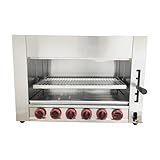
If visual clutter induces stress, embracing an elegant small outdoor kitchen rooted in modern minimalism is the answer. By mounting a specialty grill directly to structural masonry and pairing it with a single, striking floating shelf, you achieve extreme space savings without compromising high-end architectural appeal.
What You Need
- A wall-mounted outdoor grill (this is a specialty item).
- A thick, weatherproof shelf (e.g., reclaimed wood, composite decking, or stainless steel).
- Heavy-duty, corrosion-resistant floating shelf brackets.
- Professional installation hardware.
Step-by-Step Directions
- IMPORTANT: Consult a professional contractor to assess your wall’s structural integrity and install the wall-mounted grill according to all safety codes and manufacturer specifications.
- Once the grill is safely mounted, plan the position for your floating shelf above it, ensuring adequate clearance for heat and ventilation.
- Install outdoor kitchen components: Secure the heavy-duty floating shelf brackets into wall studs or masonry.
- Attach the shelf material to the brackets.
- Keep the shelf sparsely decorated to maintain the minimal outdoor kitchen setup aesthetic.
Pro-Tip: Wall-mounted thermal appliances carry inherent fire risks. Always consult licensed outdoor contractors to ensure your exterior walls can withstand the heat load and weight, strictly adhering to industry standards for outdoor kitchens to prevent catastrophic property damage.
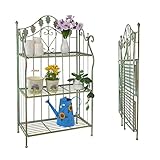
10. Organize a Baker’s Rack Cooking Corner

A charming and practical solution! Pin this baker’s rack kitchen.
Transforming an awkward patio corner into a dedicated cooking zone is simpler than you think. A powder-coated baker’s rack offers incredible multi-level storage and instant countertop real estate for a pizza oven outdoor small appliance, creating an enchanting, European-style culinary nook with zero construction required.
What You Need
- A sturdy, outdoor-rated baker’s rack (wrought iron or powder-coated steel is best).
- A portable countertop appliance, like a small pizza oven or an electric grill.
- Baskets and bins for organizing supplies.
- S-hooks for hanging utensils.
Setup Steps
- Assemble the baker’s rack and place it in a sheltered corner of your patio or deck.
- Place your chosen countertop appliance on the main counter-level shelf. Ensure the shelf is rated for the appliance’s weight.
- Organize outdoor kitchen area: Use the upper shelves for lighter items like plates, spices, and herbs.
- Use the lower shelves for heavy items like bags of charcoal, firewood, or cast-iron pans to add stability.
- Hang tools from the sides using S-hooks to create an all-in-one compact outdoor cooking station.
Pro-Tip: Before making a purchase, meticulously measure the footprint and heat clearance requirements of your portable appliance. Adding dense weight (like stone pavers or stacked firewood) to the bottom shelf drastically lowers the center of gravity, a critical step in planning outdoor kitchen safety and stability.
11. Combine a Bar Cart and a Freestanding Grill

Entertaining made easy! Pin this chic grill and bar cart combo.
Dynamic hosting requires dynamic solutions. Pairing a traditional freestanding grill outdoor unit with an elegant, multi-tiered bar cart creates the ultimate mobile outdoor kitchen for entertaining in small spaces. This duo allows you to prep, cook, and seamlessly transition into cocktail service wherever the party migrates.
What You Need
- A high-quality freestanding grill.
- A durable, weather-resistant outdoor bar cart, preferably with multiple tiers and large wheels.
- Trays, cutting boards, and bowls for organizing prep and serving items.
Setup Steps
- Position your freestanding grill in its designated cooking spot.
- Stock the bar cart based on your needs for the day. For grilling, the top tier can be a prep counter with a cutting board, spices, and oils. The bottom tier can hold plates and serving utensils.
- Roll the bar cart next to the grill while you are cooking for a convenient workspace.
- Once the food is ready, clear the top of the cart and use it as a mobile buffet to serve your family and guests.
- Later, restock it as a drink station, demonstrating its versatile outdoor kitchen setup.
Pro-Tip: Invest in an outdoor bar cart outfitted with all-terrain, oversized casters. Experienced outdoor living designers recommend this because small, hard plastic wheels easily catch on deck grooves and uneven patio pavers, risking spills and limiting true mobility.

Key Takeaways: Your Quick Guide to a Small Outdoor Kitchen Setup
Navigating the logistics of a limited footprint does not mean compromising on your culinary dreams. By synthesizing the core concepts we’ve explored, you can distill the process down to a few fundamental, proven space-saving techniques. Keep these essential principles in mind as you map out your ideal exterior cooking station.
Key Takeaways:
- Think Vertically: In a small outdoor kitchen, wall space is your best friend. Use vertical shelving, wall-mounted counters, and hanging storage to maximize your footprint without taking up floor space.
- Embrace Modularity and Portability: A modular outdoor kitchen or a rolling grill cart offers incredible flexibility. This allows you to reconfigure your space as needed and is a perfect solution for renters.
- Prioritize the Prep Zone: Don’t just focus on the grill. A dedicated prep counter is essential. Ideas like fold-down tables or repurposing a console table can solve the common problem of having nowhere to chop and season.
- Choose Dual-Purpose Furniture: A potting bench that hides a sink or a bar cart that doubles as a prep station provides maximum functionality. This is a key space optimization outdoor kitchen strategy.
- DIY Can Be Elegant and Affordable: You don’t need a massive budget. A simple and stylish DIY outdoor kitchen using materials like cinder blocks or a repurposed baker’s rack can be incredibly effective and chic.
- Select Weather-Resistant Materials: Always choose materials designed for the outdoors, like stainless steel, powder-coated metal, teak, or cedar, and use outdoor-grade sealants to ensure your setup lasts through every season.
People Also Ask About Small Outdoor Kitchen Setup
Even with brilliant inspiration, transitioning from planning to execution often unearths practical concerns. Whether you are curious about specific spatial requirements, navigating tight budgets, or verifying safety protocols with industry standards, having authoritative answers is vital. Below, we address the most common small outdoor kitchen queries to streamline your project.
How much space do you need for a small outdoor kitchen?
You can create a functional small outdoor kitchen in a space as compact as 6 to 10 linear feet. The key is to choose space-saving components. A setup with a 30-inch grill, a 24-inch prep space, and a small storage unit can fit comfortably in a very small footprint, making it ideal for a patio kitchen setup.
What are the essential components for a compact outdoor kitchen?
The three absolute essentials are a grill, a prep surface, and storage. For a basic outdoor kitchen setup, this could be a rolling cart with side tables. For a more built-in look, it would be a small grill insert, a dedicated countertop area of at least 24 inches, and a small outdoor cabinet or a mini-fridge.
How can I create a budget-friendly outdoor kitchen?
Focus on DIY methods and repurposed materials to build a budget outdoor kitchen. The cinder block base idea is extremely cost-effective. You can also repurpose old furniture like console tables or baker’s racks. Opting for a high-quality portable grill instead of a built-in one will also save a significant amount of money.
What are the best materials for a durable outdoor kitchen?
Stainless steel, powder-coated aluminum, stone veneer, and concrete are top choices for durability. For wood, choose naturally weather-resistant types like teak, cedar, or ipe. Any material used should be specifically rated for outdoor exposure to resist moisture, UV rays, and extreme temperature fluctuations.
Can you put an outdoor kitchen on a wooden deck?
Yes, you can, but with critical safety precautions. You must use a grill mat or insulated jacket to protect the deck from heat and embers. Ensure the deck’s structure can support the weight of the kitchen components. It’s wise to consult with a professional to verify weight capacity and placement according to official building codes.
Do I need plumbing for a small outdoor kitchen?
No, plumbing is not a necessity. While an integrated sink is convenient, you can create a highly functional outdoor kitchen without it. You can use a beverage tub with ice for chilling drinks and do food prep indoors. For a simple solution, a potting bench sink can be connected to a garden hose and drain into a bucket.
Are modular outdoor kitchens a good choice for small spaces?
Yes, modular outdoor kitchens are an excellent choice for small spaces. They offer flexibility to fit your exact footprint and can be reconfigured or added to later. Brands offer pre-designed compact outdoor kitchen kits that include everything you need, simplifying the planning process significantly.
How do I protect my small outdoor kitchen from the weather?
Use high-quality, marine-grade covers for each appliance. For the entire structure, consider building it under a covered patio, pergola, or awning. Sealing wood countertops annually and choosing corrosion-resistant materials like stainless steel will provide long-term weather protection outdoor kitchen durability.
What is the average cost of a small outdoor kitchen setup?
The cost can range from under $500 for a simple DIY setup to over $5,000 for a custom-built island. A good quality rolling grill cart setup might cost $300-$800. A pre-built modular kit often starts around $2,000-$4,000. Your choice of appliances and materials is the biggest factor in the final cost.
How do I plan a small outdoor kitchen layout?
Start by establishing functional zones for hot (grill), dry (prep), and cold (fridge/cooler) areas. Even in a small space, keeping these zones distinct improves workflow. Use the “kitchen triangle” principle as a guide. Measure your space carefully and use painter’s tape on the ground to map out appliance and counter footprints before you buy or build.
Final Thoughts on Your Small Outdoor Kitchen Setup
Ultimately, crafting the perfect small outdoor kitchen setup is less about square footage and more about leveraging smart, intentional design. As we’ve explored through these 11 concepts, limited space should never mean compromising on elegance or culinary functionality. From repurposed baker’s racks to modular vertical shelving, the solutions are as versatile as they are accessible.
Updated for modern design trends in September 2026, these concepts rely on trusted, expert design principles. Start by accurately measuring your patio or balcony, and pick the one configuration that perfectly aligns with your budget and hosting style. The joy of alfresco dining is just a weekend project away. Which space-saving setup will you be building first?
Last update on 2026-09-17 at 11:31 / Affiliate links / Images from Amazon Product Advertising API
