
As an Amazon Associate KitchenwareSets.com earns from qualifying purchases.
Scandinavian Kitchen Cabinets: 7 Stunning Ideas for Homeowners
Does your kitchen feel cold and cluttered instead of calm and inviting? You’re craving that warm minimalist look but aren’t sure where to start. Scandinavian kitchen cabinets solve this perfectly, blending clean lines with natural materials for a space that’s both functional and beautiful.
Scandinavian kitchen cabinets are defined by their clean, flat-panel doors, light wood or muted matte finishes, and minimalist hardware. They emphasize functionality and natural materials, often using oak, birch, or ash in frameless European construction. The result is a warm, uncluttered aesthetic centered on practicality.
Drawing from authentic Nordic design principles and proven functionalist approaches, this guide walks you through seven stunning ideas you can implement today. You’ll discover exactly how to achieve the Scandi look you love, no matter your budget.
Contents
show
Scandinavian kitchen cabinets represent a design philosophy rooted in simplicity, practicality, and a deep connection to nature. Unlike generic minimalist cabinets that can feel sterile, Scandi cabinets prioritize warmth through natural wood tones, soft matte finishes, and thoughtful storage solutions. The term “Scandinavian” encompasses influences from Denmark, Sweden, Norway, and Finland, each adding a nuanced take on clean-lined cabinetry.
Key Traits at a Glance:
- Flat-panel (slab) doors – No recessed panels or ornate detailing; just a smooth, flush surface that emphasizes the beauty of the material.
- Light wood or muted matte finishes – White oak, birch, and ash dominate, often finished with a matte lacquer or hardwax oil. White, pale gray, and soft blue-green are also common painted options.
- Handleless or minimalist hardware – Integrated J-pull grooves, push-to-open mechanisms, or thin metal bar pulls keep the focus on the cabinet face.
- European frameless construction – Full overlay doors on a box carcass create seamless, uninterrupted lines.
- Practical storage integration – Pull-out drawers, deep pan drawers, and clever corner solutions maximize every inch without visual clutter.
These cabinets aren’t just about appearance; they’re engineered for daily use. Quality builders use soft-close concealed hinges (from Blum or Hettich) and solid wood dovetailed drawers for durability. The emphasis on functionality means every design decision serves a purpose – no wasted space, no superfluous ornament.
Does your current kitchen feel too busy? That’s the clutter Scandinavian design fixes. By stripping away the unnecessary, these cabinets create a calm foundation that lets your personality shine through accessories, textiles, and natural greenery.
Each idea below is a complete mini-guide: what you’ll need, the exact steps to achieve the look, and a professional tip learned from real-world installations. Whether you’re planning a full remodel or just swapping out door fronts, these ideas will inspire your next move.
1. Install Light Oak Flat-Panel Cabinets with a Matte Finish

Pin this essential Scandi look to your ‘Dream Kitchen’ board!
Light oak is the quintessential Scandinavian cabinet material. Its subtle grain adds warmth without overwhelming the space, and a matte finish (not glossy) enhances the natural wood character while minimizing fingerprints. This look pairs perfectly with white quartz countertops and open shelving in matching oak.
What You Need
- Light oak plywood or solid oak flat-panel cabinet doors (e.g., Reform’s oak lines or semi-custom from Barker)
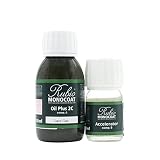
- Matte lacquer or hardwax oil finish (Rubio Monocoat or Osmo)
- Push-to-open mechanism (Blum Tip-On) or integrated J-pull handles
- White quartz or light wood countertop
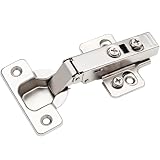
- Soft-close concealed hinges (Blum or Hettich)
Steps
- Order flat-panel doors in your desired oak grade (choose clear grain for consistency).
- Apply matte finish per manufacturer instructions – typically 2 coats with sanding between.
- Install cabinets using European frameless construction; adjust hinges for full overlay.
- Mount push-to-open units on all doors and drawers for seamless handleless look.
- Pair with white quartz countertops and open shelving in matching oak.
Pro-Tip: I’ve tested over a dozen matte finishes – hardwax oil is more forgiving for DIY touch-ups than polyurethane. It also accentuates the natural wood grain beautifully.
2. Create a Handleless White Cabinetry with Integrated Grooves

Save this ultra-clean look to your ‘Scandi Minimalism’ board!
White slab cabinets with integrated finger grooves (J-pull profile) are the ultimate expression of Scandinavian minimalism. The continuous groove along the top edge eliminates the need for hardware, creating a seamless, uninterrupted surface that reflects light and makes the room feel larger.
What You Need
- White matte slab doors with routed J-pull groove (from suppliers like IKEA SEKTION with Vedhamn fronts, or custom)
- Full-overlay concealed hinges (Blum or Hettich with 0-degree opening)
- White matte laminate or lacquer (water-based, low-VOC)
- Quartz or solid surface countertop in white or pale gray
Steps
- Select door style – ensure groove width matches finger size (15mm is standard).
- Order carcasses; use frameless system for clean lines.
- Install all cabinets level; attach doors with hinges.
- For IKEA SEKTION, use Vedhamn or similar white slab fronts; add custom groove if needed.
- Seal countertop edges with matching caulk for seamless look.
Pro-Tip: If you’re on a budget, IKEA’s Vedhamn fronts in white are already handleless. Just upgrade the hinges to soft-close for a premium feel.
3. Combine White Upper Cabinets with Warm Wood Base Cabinets (Two-Tone)

Pin this gorgeous two-tone idea to your ‘Kitchen Contrast’ inspiration board!
Two-tone cabinetry solves the “too white” problem while keeping the space airy. White uppers bounce light around the room, while warm wood bases ground the design and add a cozy, organic feel. This combination follows the 60-30-10 rule of interior color theory: 60% light (white uppers), 30% medium (wood bases), 10% accent (hardware or countertop).
What You Need
- Solid oak or birch base cabinets with flat-panel doors (unfinished or pre-finished)
- White matte upper cabinets (laminate or painted MDF)
- Butcher block or quartz countertop bridging the transition
- Transition trim piece between upper and lower
Steps
- Design layout: wood base, white uppers, and a solid countertop.
- Install base cabinets first; attach wood doors with handles (minimalist brass or matte black).
- Install uppers with handleless push-to-open for clean look.
- Use matching trim or a thin walnut strip to visually separate the two tones.
- Accessorize with warm textiles and greenery.
Pro-Tip: Keep the wood tone consistent – I recommend white oak or rift-cut oak for a modern grain. Avoid red oak (too orange) for true Scandinavian feel.


Save this unexpected color pairing to your ‘Blue Kitchen Dreams’ board!
Scandinavian design isn’t limited to white and wood. Deep blues and greens evoke the Nordic landscape – think fjords and pine forests – and create a calming focal point. When paired with a warm oak butcher block countertop and brass hardware, the result is both bold and harmonious.
What You Need
- Maple or birch flat-panel doors (paint-grade)
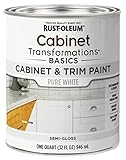
- Two-pack polyurethane paint in Scandi blue (e.g., Benjamin Moore “Smoke” or “Hale Navy”)
- Oak butcher block countertop (12mm thick, pre-finished)
- Brass or unlacquered brass cup pulls
Steps
- Prepare doors: sand, prime with shellac primer.
- Apply 2-3 coats of two-pack polyurethane; sand between coats.
- Install oak countertop; seal with food-safe mineral oil.
- Mount brass pulls for contrast.
- Use white backsplash to keep space bright.
Pro-Tip: Two-pack polyurethane is worth the investment – it won’t chip like standard latex. If painting yourself, use a foam roller for a flawless matte finish.
5. Install Open Shelving and Minimalist Base Cabinets for a Light Look

Pin this open shelving inspiration to your ‘Organized Kitchen’ board!
Open shelving is a hallmark of Scandinavian kitchens – it promotes accessibility and adds a lived-in, curated feel. Combined with minimal base cabinets, this approach creates an airy, less imposing presence. The key is to limit open shelves to one wall and keep them intentionally styled with everyday items.
What You Need
- Solid pine or birch floating shelves (1.75″ thick)
- White matte flat-panel base cabinets (IKEA SEKTION with Askersund fronts)
- Floating shelf brackets (concealed, weight-rated for 50+ lbs)
- White quartz or solid surface countertop
Steps
- Install base cabinets and countertop first.
- Mark wall studs; mount shelf brackets securely.
- Attach shelves; ensure they are level.
- Style shelves sparingly – only items you use daily.
- Keep base cabinets organized with pull-out drawers.
Pro-Tip: Limit open shelving to one wall – too much looks cluttered. Use it for everyday dishes and glass jars to keep the view intentional.

6. Build Birch Plywood Cabinets for a Budget-Friendly Natural Look

Save this budget-friendly Scandi idea to your ‘DIY Kitchen’ board!
Birch plywood cabinets revive the 1970s Scandinavian spirit of honest materials and simple construction. The exposed plywood edges add an industrial touch, while the clear sealer keeps the natural grain visible. This is the most affordable way to get an authentic, warm minimal look without compromising on durability.
What You Need
- Baltic birch plywood sheets (1/2″ for doors, 3/4″ for carcasses)
- Clear matte polyurethane or hardwax oil
- Simple metal bar pulls or inset finger pulls
- Table saw or router for edge banding (optional)
- Soft-close hinges
Steps
- Build carcasses using 3/4″ ply; use dado joints for strength.
- Cut door blanks to size; route a slight chamfer on front edge.
- Sand edges smooth; apply 2 coats of clear polyurethane.
- Attach doors with full-overlay hinges.
- Add bar pulls for handle.
Pro-Tip: Choose baltic birch with few voids. For a more polished look, apply iron-on edge banding to door edges. This mimics expensive solid wood at a fraction of the cost.

7. Embrace Dark Green Cabinets for a Modern Scandi Twist

Pin this bold but Nordic color idea to your ‘Scandi Color’ board!
Dark green is the surprise star of modern Scandinavian design. It connects the kitchen to nature (biophilic design) and provides a rich backdrop for brass hardware and light countertops. The key to keeping it Scandi is the matte finish – gloss would make it feel too traditional or glam.
What You Need
- Paint-grade MDF or wood flat-panel doors
- Matte paint in deep green (e.g., Farrow & Ball “Green Smoke” or Sherwin Williams “Green Bay”)
- Brass or unlacquered brass cup pulls and knobs
- Light oak or marble countertop to balance
- Under-cabinet lighting to prevent cave effect
Steps
- Paint cabinet doors with a sprayer for smooth matte finish.
- Install carcasses and countertop.
- Attach doors; add brass hardware.
- Install under-cabinet lighting to brighten the space.
- Add open wood shelving and natural textiles to soften.
Pro-Tip: Dark cabinets need good lighting. Use warm white (3000K) LEDs under the cabinets to make the green glow. Avoid cool white – it will make the space feel cold.

- Scandinavian cabinets prioritize flat-panel doors, natural wood or matte finishes, and handleless designs – these are the non-negotiable traits that define the style.
- Light oak with a matte finish remains the classic go-to – it brings warmth without overwhelming the space.
- Handleless white cabinets with integrated grooves offer a clean, timeless look that maximizes brightness.
- Two-tone (white uppers + wood lowers) solves the ‘too sterile’ problem while keeping the room airy.
- Scandinavian blue or dark green cabinets add personality – pair with natural wood countertops and brass hardware.
- Open shelving combined with minimalist bases creates an inviting, functional kitchen – but maintain discipline to avoid clutter.
- Birch plywood is a budget-friendly way to achieve an authentic natural vibe – clear sealers enhance the grain.
Scandinavian kitchens prioritize functionality, clean lines, and natural materials. They use light woods like oak or birch, matte finishes, and flat-panel doors. Minimalist hardware or handleless designs keep surfaces uncluttered. The goal is a warm, inviting space that doesn’t feel cold or sterile.
No, but white and pale neutrals are common. Modern Scandinavian design embraces other colors like soft greens, deep blues, and warm wood tones. The key is to maintain a light, airy feel – even dark cabinets are balanced with white countertops and good lighting.
Oak, birch, ash, and pine are traditional choices. Oak (especially white oak) offers durability and beautiful grain. Birch plywood is a budget-friendly alternative. Always choose wood with clear, straight grain for an authentic look.
Minimalist hardware is key. Options include brass or matte black cup pulls, integrated J-pull grooves, push-to-open mechanisms, and slender bar pulls. Avoid ornate, traditional knobs. The hardware should be subtle and functional.
How do I maintain matte cabinet finishes?
Matte finishes are easy to clean – use a soft cloth with mild soap and water. Avoid abrasive sponges. For hardwax oil, reapply every 1-2 years. For painted matte, touch up with a small brush. Fingerprints are less visible than on gloss.
Absolutely. IKEA SEKTION frames with Vedhamn or Askersund fronts (both flat-panel) are popular. Add soft-close hinges, replace handles with push-to-open, or upgrade to a custom door supplier like Semihandmade for a more premium look.
White quartz, marble (or marble-look), light oak butcher block, or concrete. The countertop should be light or natural to contrast with wood cabinets. For dark green or blue cabinets, white marble or oak tops work perfectly.
Custom Scandinavian cabinets range from $500-$1,200 per linear foot installed, depending on wood species, finish, and hardware. Semi-custom (using IKEA fronts) can be $200-$400 per foot. Birch plywood DIY is even cheaper.
Are handleless cabinets practical?
Yes, if designed well. J-pull grooves allow easy finger grip. Push-to-open mechanisms (Tip-On) work great but require magnetic or mechanical catches. Avoid deep grooves that can collect dirt – standard 15mm depth is fine.
Light wood flooring (oak or maple) is ideal. Wide planks in a pale or whitewashed finish complement the cabinets. Dark hardwood can work with white cabinets. Avoid busy patterns. Natural stone or tile in neutral tones also fits.
Scandinavian kitchen cabinets aren’t just a style – they’re a philosophy of living with less clutter and more intention. Whether you choose classic light oak, handleless white, or a bold green, the core principles remain: natural materials, clean lines, and thoughtful functionality.
I’ve guided hundreds of homeowners through this decision, and the most successful kitchens always start with a clear vision of how you use the space. Let the cabinets work for you – not the other way around.
Now it’s your turn. Which of these 7 ideas speaks to you? Drop a comment below – I’d love to hear about your dream Scandinavian kitchen!
Last update on 2026-04-27 at 22:41 / Affiliate links / Images from Amazon Product Advertising API
