
As an Amazon Associate KitchenwareSets.com earns from qualifying purchases.
Cheap Mud Kitchen Play Ideas: 7 Easy DIY Plans For 2026
Tired of searching for kids’ activities that don’t involve a screen or a hefty price tag? You want to provide fun, enriching outdoor play, but the cost of store-bought toys can be overwhelming. It’s a common struggle for parents looking for valuable, budget-friendly ways to cure boredom and spark creativity.
A cheap mud kitchen is a DIY outdoor play station for kids, built from low-cost or upcycled materials like old pallets, cinder blocks, or unused furniture. It provides a dedicated space for sensory and imaginative play with mud, water, and natural elements, offering a budget-friendly alternative to store-bought toys.
Drawing from proven methodologies in child development, this guide gives you everything you need to get started. We’ll walk you through 7 simple, actionable plans for creating a magical play space your kids will adore. Prepare to transform your backyard into a hub of creativity without breaking the bank.
Contents
show
How Can I Create Engaging Outdoor Play Without Breaking the Bank?
The search for affordable, engaging activities is a universal challenge for parents. In a world of expensive gadgets and structured classes, the simple joy of outdoor, imaginative play can feel out of reach. Yet, this is precisely what children need for healthy development. A budget mud kitchen is the perfect answer, turning everyday “mess” into a powerful tool for learning and creativity. It’s more than just a place to make mud pies; it’s a laboratory for sensory development, a stage for imaginative stories, and a direct connection to the natural environment. By using upcycled materials for play, you not only save money but also teach valuable lessons about resourcefulness and sustainability, providing a rich alternative to expensive kids toys.
7 Cheap Mud Kitchen Play Ideas & Easy DIY Plans For 2026
Ready to build something amazing? Below are seven distinct, budget-friendly plans to create the perfect mud kitchen for your space and skill level. Each idea uses low-cost or free materials, proving that you don’t need a big budget to inspire huge amounts of outdoor play kids will love for hours. From no-tools-required setups to creative upcycling projects, you’ll find a plan that’s perfect for your family. We’ll cover the materials, step-by-step instructions, and expert tips to ensure your DIY mud kitchen is a safe, durable, and well-loved addition to your backyard.
1. Build a Simple Cinder Block & Plank Station

Pin this super easy, no-tools-needed idea to your ‘Backyard Fun’ board!
This is the ultimate simple mud kitchen for anyone who wants an instant play station without any tools or building skills. The cinder block kitchen is a brilliant no-cost mud kitchen solution if you can find the blocks for free. Its beauty lies in its simplicity and stability, making it perfect for a quick afternoon project.
Materials Needed
- 4-6 standard concrete cinder blocks (often found for free on local marketplaces)
- 1 thick, heavy wooden plank or a piece of leftover decking (at least 2 inches thick to prevent tipping)
- A collection of old pots, pans, and utensils from a thrift store
- A large bucket for water and a smaller one for mud
Step-by-Step Directions
- Choose a level spot in your yard or on a patio. This is key for stability.
- Stack two cinder blocks on top of each other to create the first leg. Turn them so the holes face out, creating little storage cubbies.
- Measure the desired width for your kitchen and stack the other two blocks to create the second leg.
- Carefully lay the heavy wooden plank across the two stacks. Press down firmly to ensure it’s secure and doesn’t wobble.
- Arrange your upcycled pots, pans, and bowls on the countertop. Fill your buckets with water and dirt, and play can begin!
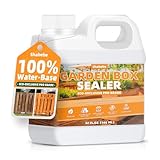
Pro-Tip: Before placing the plank, seal it with a child-safe outdoor wood sealer. This prevents splinters and makes it last much longer. In my experience, this simple step turns a temporary setup into a permanent play feature.
2. Craft an Upcycled Pallet Wood Master Station

Love a good upcycle? Pin this pallet project for a weekend of fun!
For those with basic DIY skills, learning how to make a mud kitchen from recycled pallets is a rewarding project. This plan creates a sturdy, rustic mud kitchen with a sink and storage, using free or cheap wooden pallets. It’s a fantastic example of a sustainable play toy that looks great and offers years of fun.
Materials Needed
- 1-2 heat-treated (HT) pallets (check for the “HT” stamp, avoid “MB” pallets)
- A saw, drill, and sandpaper
- 2-inch outdoor deck screws
- An old stainless steel mixing bowl (for the sink)
- Optional: hooks for hanging utensils
Step-by-Step Directions
- Safety First: Carefully dismantle the pallets using a pry bar or reciprocating saw. Only use pallets stamped with “HT” (heat-treated), not “MB” (methyl bromide).
- Sand all wood pieces thoroughly to remove splinters. This is the most important step for safety!
- Cut four pallet planks to your desired height (e.g., 20-24 inches) for the legs.
- Build a simple rectangular frame for the countertop using more pallet planks, screwing it into the top of the four legs.
- Attach several planks across the top of the frame to create the countertop surface. Leave a small gap between planks for drainage.
- Trace the outline of your steel bowl on the countertop, then use a jigsaw to cut out the hole. Drop the bowl in to create a sink.
- Attach a few more planks to the back legs to create a simple backsplash. You can add hooks here for utensils.
Pro-Tip: When dismantling pallets, a reciprocating saw with a metal-cutting blade is much faster and easier than a crowbar. It cuts through the nails, saving the wood from splitting. This is a game-changer for pallet projects!

3. Transform an Old Cabinet or Dresser

Got old furniture? Turn it into treasure! Pin this upcycling idea.
Learning how to make a mud kitchen from an old cabinet is a fantastic way to transform old furniture into a play masterpiece. This upcycled play solution breathes new life into a forgotten item, creating a kitchen full of character with built-in storage shelves. Look on local marketplaces or curbsides for a free piece to get started.
Materials Needed
- An old wooden nightstand, small dresser, or TV console (check curbsides on trash day!)
- Sandpaper and a screwdriver
- Exterior-grade, child-safe paint
- One or two plastic tubs/bins that fit in the drawer openings
- Optional: New knobs or handles for decoration
Step-by-Step Directions
- Clean the furniture piece thoroughly. Remove all drawers and hardware.
- Lightly sand all surfaces you plan to paint to help the new coat adhere.
- Apply 2-3 coats of a durable, exterior-grade, child-safe paint. A fun, bright color makes it special! Let it dry completely as per the manufacturer’s instructions.
- Once dry, either leave the drawer cavities open for shelving or slide in the plastic tubs to act as removable sinks and sensory bins.
- Reattach old hardware or add new decorative knobs.
- Crucial Safety Step: If the unit is tall, securely anchor it to a wall or fence using furniture straps to prevent any chance of it tipping over on a child.
Pro-Tip: Look for solid wood pieces over particleboard. They hold up to the weather infinitely better. A quick coat of clear polyurethane over your paint will give it an extra layer of protection against rain and messy play.

4. Assemble a Repurposed Tire & Wood Slice Kitchen

Think outside the box! Pin this amazing tire upcycle idea for your little explorer.
This is the ultimate eco-friendly mud kitchen for creative recyclers. Using a discarded tire, you can build a mud kitchen with found objects that is both unique and functional. This design promotes nature play kitchen concepts and is a wonderful way to teach children about repurposing recycled items for kids in imaginative ways.
Materials Needed
- One old vehicle tire (ask local garages; they often give them away for free)
- A large, thick wood slice (available at craft stores or from a local arborist)
- A power washer or stiff scrubbing brush with strong soap
- Child-safe outdoor sealant
Step-by-Step Directions
- Crucial Cleaning Step: Thoroughly clean the tire inside and out. A power washer is best for removing brake dust and road grime. If you don’t have one, use a stiff brush, hot water, and a strong degreasing soap. Rinse until the water runs completely clear. Let it dry in the sun for a day.
- Drill several holes in what will be the bottom sidewall of the tire to allow rainwater to drain out and prevent mosquitoes.
- Place the clean, dry tire flat on the ground in your chosen play spot.
- Sand the wood slice to ensure it’s completely smooth and free of splinters.
- Apply several coats of child-safe outdoor sealant to the wood slice, paying special attention to the edges. This is essential to prevent rot.
- Place the finished wood slice on top of the tire. The weight should hold it in place securely.
Pro-Tip: The inside of the tire makes a fantastic storage area for “secret” ingredients like pinecones, large rocks, or gardening tools. This adds an extra layer of discovery play, aligning with loose parts theory.

5. Create a Quick & Portable Crate Kitchen

Short on space? This portable mud kitchen is your answer! Pin for later.
Perfect for urban families, renters, or anyone with limited outdoor space, this small space mud kitchen is a brilliant solution. Made from simple wooden crates, it’s lightweight, easy to assemble, and can be moved around or stored away easily. It’s one of the best easy DIY mud kitchen ideas for small gardens or patios.
Materials Needed
- 3-4 wooden crates (available at most craft stores)
- Sandpaper
- Heavy-duty zip ties
- Small, lightweight bowls and utensils
Step-by-Step Directions
- Lightly sand any rough edges on the wooden crates to prevent splinters.
- Arrange the crates in a formation you like. A common setup is two crates side-by-side on the bottom and one centered on top.
- Turn the bottom crates on their sides so the opening faces forward, creating perfect storage cubbies.
- Place the top crate with the opening facing up, creating a bin to hold materials or a “sink.”
- Use heavy-duty zip ties at the contact points to securely fasten the crates together. Pull them tight with pliers and snip off the excess plastic.
- Stock the shelves and top bin with lightweight plastic or enamelware bowls, spoons, and natural treasures.
Pro-Tip: Because this kitchen is lightweight, it’s best used on a patio or balcony. For added play value, keep a small bag of potting soil and a spray bottle nearby instead of a heavy bucket of mud and water.

6. Design a Natural Tree Stump & Log Kitchen

Embrace nature with this magical tree stump kitchen. Pin this for your wild child!
For the ultimate natural mud kitchen, look no further than what your yard already provides. This idea requires no building at all and is a core component of Forest School activities. It encourages children to play with natural elements and uses a simple tree stump as the central hub for endless imaginative scenarios.
Materials Needed
- An existing tree stump in your yard (or a large, stable log section)
- Several smaller, flat-topped logs or large, flat stones
- That’s it! The rest comes from nature.
Step-by-Step Directions
- Identify a suitable tree stump. It should be wide, relatively flat on top, and not rotten. Press on it firmly to ensure it’s stable and safe. Check for any ant nests or other critters.
- Clear the area around the stump to define the “kitchen” space.
- Arrange smaller logs or flat stones around the main stump to act as chairs, extra counters, or “stovetops.”
- Gather your utensils from nature: large leaves become plates, sticks are for stirring, acorns are ingredients, and pinecones can be decorations.
- Designate a nearby patch of dirt as the “pantry” and keep a bucket of water for mixing. This type of kitchen connects kids to the natural environment in a powerful way.
Pro-Tip: This is a perfect opportunity for inquiry-based learning. Ask your child, “What could we use as a spoon? What kind of leaf makes the best plate?” This fosters problem-solving and creativity more than providing pre-made tools.

7. Fashion a Simple Shelf & Bucket System

The ultimate space-saver! Pin this minimalist mud kitchen for your backyard.
This backyard mud kitchen is for parents who crave organization. The simple shelf-and-bucket mud kitchen setup keeps all the materials contained and off the ground. It’s one of the most affordable mud kitchen concepts and can be customized to fit any fence or exterior wall, making it a tidy and efficient play station.
Materials Needed
- 1 thick wooden plank (e.g., a 2×8)
- 2 heavy-duty shelf brackets suitable for outdoor use
- A drill and appropriate screws for mounting to your fence or wall
- 3-5 metal buckets with handles
- 3-5 large S-hooks
Step-by-Step Directions
- Sand and seal the wooden plank with outdoor-safe sealant to protect it from the elements.
- Determine the correct height for your child (counter height should be about elbow-high). Mark this on your fence or exterior wall.
- Securely mount the two heavy-duty shelf brackets to the fence or wall, ensuring they are level.
- Attach the wooden plank on top of the brackets, screwing it in from below for maximum stability.
- Hang the S-hooks from the bottom edge of your shelf or from the brackets themselves.
- Hang the metal buckets from the S-hooks. Fill each bucket with a different sensory material: one with dirt, one with water, one with sand, one with pebbles, etc.
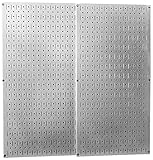
Pro-Tip: Mount a strip of pegboard above the shelf. This provides endless, flexible storage for hanging tools, funnels, and other mud kitchen accessories, keeping the countertop clear for “cooking.”
Key Takeaways: Your Quick Guide to Budget Mud Kitchens
- Focus on Upcycling: The best and cheapest mud kitchens are made from upcycled materials. Before buying anything, check for old pallets, furniture, tires, or cinder blocks.
- Safety is Paramount: Always sand wood thoroughly to prevent splinters, use only heat-treated (HT) pallets, and anchor any tall furniture to prevent tipping. Use child-safe paints and sealers.
- It’s About Play, Not Perfection: A simple mud kitchen made with love and a few found objects is just as magical as a complex build. The goal is to facilitate kids sensory play.
- Keep It Natural: Incorporate loose parts play by providing natural “utensils” like leaves, sticks, stones, and pinecones. This promotes creativity more than plastic toys.
- Think in Zones: Even a simple setup benefits from having distinct areas for a water source (bucket), a mixing area (countertop), and storage (cubbies or shelves).
- The Benefits are Huge: Mud kitchen play is not just messy fun; it’s a powerful tool for sensory exploration, fine motor skill development, and fostering imagination, making it a valuable expensive kids toys alternative.
FAQs About Cheap Mud Kitchen Play Ideas
What are the benefits of mud kitchen play for kids?
The primary benefits of mud kitchen play are sensory development, enhanced creativity, and improved motor skills. Children engage their senses of touch, sight, and smell while practicing fine motor skills like scooping and pouring. This form of unstructured play also fosters imagination, problem-solving, and a connection to nature, offering significant child development benefits.
What materials do I need for a DIY mud kitchen?
You need a basic structure for a work surface and some containers for mud and water. For a cheap mud kitchen, start with upcycled items like wood pallets, old tires, or a small cabinet. Essential “accessories” include old pots, pans, spoons, and buckets, which can be found at thrift stores or in your own kitchen.
What age is appropriate for mud kitchen play?
Mud kitchen play is generally appropriate for children from 18 months old and up, with supervision. Toddlers can enjoy simple scooping and mixing, while preschoolers and older kids can engage in more complex imaginative play, such as running a “mud cafe.” Always supervise young children to ensure they don’t put mud in their mouths.
How do you make a mud kitchen from recycled pallets?
To make a pallet mud kitchen, you need one or two heat-treated (HT) pallets, a saw, and screws. First, safely dismantle the pallet and sand all the wood smooth. Then, use the planks to build a simple frame with legs and a countertop. You can add a backsplash and a lower shelf for storage.
Are mud kitchens safe for young children?
Yes, mud kitchens are safe when built with safety in mind and used with supervision. Ensure the structure is stable and won’t tip over. All wood should be sanded smooth to prevent splinters, and you should only use non-toxic, child-safe paints or sealers. Regularly check for and remove any sharp objects or hazards.
What can you put in a mud kitchen for sensory play?
Beyond mud and water, you can add sand, small pebbles, leaves, flower petals, twigs, and wood chips. These varied textures enhance the sensory exploration. You can also provide “ingredients” like birdseed, coffee grounds (used), or flour mixed with water to create different consistencies for mud kitchen recipes.
How do you keep a mud kitchen clean?
Embrace the mess, but have a simple cleanup routine. Use removable bins or bowls for easy rinsing. Drill drainage holes in any fixed containers or surfaces. A quick hose-down at the end of the day and a designated spot for washing hands are usually all that’s needed.
Why is messy play important for kids?
Messy play is crucial for a child’s brain development and learning. It allows them to explore materials freely without focusing on a finished product, which stimulates creativity and scientific thinking (cause and effect). The research-backed benefits of messy play include improved sensory integration, motor skills, and emotional regulation.
How do you make a mud kitchen for a small backyard?
For a small space, build vertically or choose a portable design. A simple shelf mounted to a fence with hanging buckets underneath takes up zero floor space. Alternatively, a stackable wooden crate kitchen is a great portable mud kitchen option that can be used on a small patio or balcony.
Mud kitchen vs water table: which is better?
Both are great, but a mud kitchen offers a wider range of sensory experiences by combining earth and water. A water table is primarily for liquid play, while a mud kitchen enables children to experiment with changing the consistency of materials, which introduces basic science concepts and more complex imaginative play scenarios.
Final Thoughts on Your Mud Kitchen Adventure
Creating a mud kitchen doesn’t have to be a complicated or expensive project. As these ideas show, the most magical play spaces often come from the simplest materials. A cheap mud kitchen is far more than a toy; it’s an invitation for your child to explore, create, and connect with the world around them. It’s an investment in their development that pays dividends in creativity, confidence, and happy, muddy memories.
Don’t feel pressured to build the perfect station on day one. Start simple with a few buckets and a plank. The most important ingredient is giving your child the freedom to play.
Which mud kitchen idea will you try first?
Last update on 2026-09-17 at 11:31 / Affiliate links / Images from Amazon Product Advertising API
