
As an Amazon Associate KitchenwareSets.com earns from qualifying purchases.
Easy DIY Mud Kitchen: 9 Simple Plans for Outdoor Play
Are your kids tracking dirt inside while you struggle to limit their screen time? Finding engaging outdoor activities away from digital devices is a constant challenge for modern parents. A diy mud kitchen outdoor play area provides the perfect messy solution.
A mud kitchen is a specialized outdoor play station made from wood or pallets that allows children to mix dirt, water, and natural materials. It supports essential sensory play and fine motor development while keeping messy activities safely contained in your backyard. This dedicated setup prevents indoor messes entirely.
Drawing from comprehensive analysis of child development data and proven early education methodologies, we know these structures are invaluable. This guide reveals nine beginner-friendly blueprints for building your own backyard station. Discover how to create an enriching sensory environment that your children will absolutely love.
Contents
show
Why Every Child Needs a DIY Mud Kitchen for Outdoor Play
An outdoor mud kitchen is a crucial developmental tool that transforms messy play into structured learning, providing essential sensory input and fine motor skill practice. Rather than just being a place to get dirty, it serves as an educational foundation for growing minds.
Parents often struggle with the friction between keeping a clean home and allowing children the freedom they need to explore. A dedicated messy play station resolves this conflict beautifully. It bridges the gap between indoor order and outdoor chaos. When children engage in loose parts play and nature crafts, they are actively building brain connections. They learn physics through pouring, chemistry through mixing, and biology by interacting with nature.
According to the Early Years Foundation Stage (EYFS) framework, this type of unstructured sensory play is not optional; it is fundamental to healthy child development. However, commercial play equipment can be prohibitively expensive. That is why budget-friendly builds are becoming so popular among parents. By using child-safe materials and non-toxic finishes, you can create a pedagogical masterpiece in your own backyard for a fraction of the retail cost.
Expert Insight: What most guides miss is the importance of proprioceptive input. The heavy work of lifting wet dirt, carrying buckets of water, and forcefully stirring thick mud provides deep pressure stimulation to a child’s joints and muscles. This helps regulate their nervous system, often leading to calmer behavior indoors after a vigorous session of outdoor play.
With proper splinter prevention and thoughtful design, a custom-built station becomes a safe, durable hub for years of imaginary play. Let’s explore the best ways to bring this project to life.
9 Simple Plans to Build an Easy DIY Mud Kitchen
Building a custom mud kitchen involves selecting a plan that fits your space, gathering weather-resistant materials, and following step-by-step instructions to create a sturdy play station. These nine simple plans offer diverse options for every skill level.
Finding the right mud kitchen ideas can feel overwhelming, but you do not need to be a master carpenter to succeed. Whether you want to use salvaged materials or buy fresh cedar, there is a blueprint designed for your specific backyard. The most important factor is creating a sturdy and weatherproof environment for outdoor learning.
As of September 2026, the best DIY approaches prioritize safety and longevity. Utilizing proper wood, screws, and non-toxic sealants ensures your project withstands the elements. From basic beginner hacks to advanced setups, these budget-friendly builds will inspire your weekend woodworking plans. Pay special attention to wood species durability and wood rot repair prevention to guarantee your diy play kitchen lasts through multiple seasons.
- Assemble a budget-friendly pallet kitchen
- Build a no-tools cinder block station
- Convert an old potting bench
- Construct a portable cart on wheels
- Upcycle a salvaged dresser
- Install a pumped-water kitchen
- Create a low-waste sensory bench
- Build a large corner workshop
- Design a minimalist aesthetic kitchen
1. Assemble a Budget-Friendly Pallet Mud Kitchen

Pin this budget-friendly pallet build to your DIY Kids Projects board!
If you need a diy mud kitchen for toddlers under $50, an upcycled pallet design is your best option. You can create an inexpensive yet fully functional toddler sensory area using free shipping crates.
The combination of salvaged pallets + paint makes this an accessible weekend project. However, safety is paramount. You must practice basic woodworking safety to ensure the final product is hazard-free.
Supplies Needed
- 2-3 clean, HT-stamped (Heat Treated) wooden shipping pallets
- Child-safe polyurethane sealant for weatherproofing
- Assorted rust-proof hardware (2-inch exterior wood screws)
- Stainless steel mixing bowl (with a lip for the sink drop-in)
- 120-grit and 220-grit sandpaper discs for splinter prevention
- Hooks and baskets for loose parts kits storage
Instructions
- Dismantle one pallet completely using a pry bar to harvest the loose planks for your countertop and shelving.
- Cut the second pallet in half horizontally to serve as the sturdy, heavy-duty backboard of your kitchen.
- Sand every exposed wooden surface meticulously with an orbital sander, starting with 120-grit and finishing with 220-grit to ensure it is completely smooth and safe for toddlers.
- Assemble the main frame by screwing your harvested planks across a foundational base to form the countertops.
- Drill a pilot hole and use a jigsaw to cut a circular drop-in hole for the stainless steel bowl to act as your sink.
- Seal the entire pallet mud kitchen with two coats of non-toxic exterior wood sealer to prevent wood rot.
- Attach hardware hooks to the backboard for hanging pots + pans and kids gardening tools.
Pro-Tip: Always check pallets for an “HT” stamp, which means Heat Treated. Never use pallets stamped with “MB” (Methyl Bromide), as this toxic chemical treatment makes the wood unsafe for a child-sized play area.

2. Build a Simple Cinder Block and Board Dirt Kitchen

Save this no-build cinder block mud kitchen idea for an easy weekend win!
When comparing a diy vs store-bought mud kitchen, time is often the biggest hurdle. These simple mud kitchen plans for beginners require absolutely no power tools or advanced skills.
You can construct a sturdy and weatherproof outdoor prep table in less than an hour. This simple build relies entirely on gravity and heavy materials to stay secure.
Supplies Needed
- 6-8 standard concrete cinder blocks (standard 8x8x16 inch size)
- 2 thick, pressure-treated wooden boards (2×10 or 2×12 lumber cut to 4-foot lengths)
- Landscaping fabric or a rubber outdoor mat for the foundation
- Leveling tool
- Stainless steel pots + pans and mud kitchen accessories
Instructions
- Measure and select a flat, firm area in your yard. Lay down landscaping fabric to prevent weeds and provide a clean standing area for the dirt kitchen.
- Level the ground thoroughly using a shovel and a bubble level. This is critical for stabilizing heavy structures.
- Stack three cinder blocks on the left side, and three on the right side, spacing them about 3 feet apart. Ensure the holes are facing up or horizontally based on whether you want to use them as storage cubbies.
- Mount the heavy wooden planks directly across the two cinder block towers to create a spacious, sturdy countertop.
- Organize your loose parts by placing buckets of pine cones + stones into the natural cubby holes created by the cinder blocks.
- Customize the play area by adding a plastic wash bin on top of the boards to serve as a removable sink.
Pro-Tip: If placing this simple build on grass, always dig out a shallow trench for the bottom blocks to sit in. Sinking the foundational blocks 2 inches into the earth prevents dangerous tipping during enthusiastic play.

3. Convert an Old Potting Bench into a Nature Lab

Repurpose garden furniture with this brilliant potting bench hack! Pin for later.
A mud kitchen vs potting bench debate is easy to settle: they are virtually the same structure. A potting bench to mud kitchen conversion is one of the fastest upcycling projects you can tackle.
You simply refurbish an existing outdoor potting station into a fully functional nature lab. This allows your child to connect with nature without starting a build from scratch.
Supplies Needed
- 1 pre-loved or new wooden garden potting bench
- 1 heavy-duty plastic wash basin or shallow sensory bin
- Jigsaw for cutting the countertop
- Exterior grade wood stain or UV-resistant paint
- Measuring tape and pencil
- Kids gardening tools and small terracotta pots
Instructions
- Scrub the old potting bench with a mild bleach and water solution to remove any moss, mildew, or chemical fertilizer residue left over from its gardening days.
- Sand any rough patches, paying special attention to the front edge where children will be leaning.
- Measure the exact dimensions of your plastic wash basin, just beneath the top outer lip.
- Draw the cut lines onto the center of the potting bench countertop, ensuring you aren’t cutting through structural cross-beams.
- Drill a pilot hole inside the drawn line, insert your jigsaw, and cut out the square or circle.
- Seal the newly exposed raw wood edges with a durable polyurethane sealant to prevent swelling and wood rot.
- Install the plastic basin by simply dropping it into the hole; the lip will hold it securely in place while allowing it to be easily removed for mud cleanup.
Pro-Tip: If you are buying a potting bench specifically for this conversion, look for ones made of cedar. Wood species durability matters outdoors, and cedar naturally resists rot and insect damage without harsh chemical treatments.
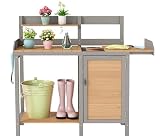
4. Construct a Small-Space Portable Mud Kitchen on Wheels

Short on yard space? This rolling mud kitchen is the perfect small-space solution!
Living in a townhouse or apartment requires creative small space solutions. Building a diy mud kitchen for small backyards guarantees your child gets sensory time without sacrificing your entire patio.
By adding hardware to a compact frame, you create a portable mud kitchen on wheels diy setup. This movable piece of exterior play furniture vastly enhances backyard utility.
Supplies Needed
- 1 small, pre-built wooden storage crate or narrow console table
- 4 heavy-duty casters (2 locking, 2 standard swivel) with 3-inch rubber wheels
- 16 heavy-duty exterior wood screws (1-inch)
- 1 small drink dispenser with a spigot (for running water)
- 1 small stainless steel dog bowl (for the sink)
- Marine-grade varnish for ultimate weatherproof protection
Instructions
- Measure the base of your chosen crate or narrow table to ensure the wheel plates will fit completely flat on the wooden legs or corners.
- Seal the entire wooden structure with marine-grade varnish. Because it’s a compact unit, water will splash everywhere, making heavy-duty waterproofing essential.
- Turn the unit upside down and position the four casters at the absolute corners for maximum stability. Place the two locking casters on the front legs.
- Drill pilot holes through the caster plates into the wood, then attach the wheels securely using exterior screws.
- Mount the small stainless bowl into the top surface using the jigsaw drop-in method.
- Organize the vertical space by adding a narrow upper shelf to hold the drink dispenser.
- Fill the drink dispenser with clean water so kids can use the spigot as a working faucet that drains straight into the bowl.
Pro-Tip: Always choose polyurethane or rubber wheels over cheap plastic casters. Hard plastic wheels will get stuck in patio grout lines or dig into the grass, defeating the entire purpose of a portable setup.

5. Upcycle an Old Dresser into a Messy Play Station

Don’t throw away that old furniture! Turn it into a brilliant upcycled mud kitchen instead.
Rather than buying expensive lumber, try upcycling an old dresser into a mud kitchen. This method of creative recycling saves money and keeps unwanted furniture out of landfills.
By actively repurposing junk, you can assemble a vibrant, colorful and highly detailed messy play station in just one weekend of painting and sealing.
Supplies Needed
- 1 old solid wood solid dresser (avoid particleboard or MDF, which will disintegrate outside)
- Exterior-grade primer and vibrant, colorful exterior latex paint
- Heavy-duty polyurethane sealant
- Plastic storage bins that fit snugly into the top drawer slots
- Drill and screwdriver
- Sandpaper and tack cloths
Instructions
- Remove all the drawers from the dresser. Set the bottom drawers aside for storage, but permanently remove the top row of drawers.
- Sand the entire piece to remove old, flaking varnish. If the piece is vintage, test for lead paint before sanding.
- Paint the frame and the remaining lower drawers with a high-quality exterior primer, followed by two coats of bright exterior paint to make it visually engaging for a toddler sensory area.
- Seal every inch of the dresser, inside and out, with at least three coats of exterior polyurethane. Indoor furniture wood rots rapidly without this step.
- Install the plastic storage bins directly into the empty top drawer cavities. These will serve as your deep sinks for water + sand mixing.
- Mount hooks on the sides of the dresser to hang aprons, towels, and long-handled wooden spoons.
- Organize the remaining lower drawers to hold dry loose parts kits like pinecones, shells, and chalk.
Pro-Tip: Never use MDF (Medium Density Fiberboard) or particleboard furniture for an outdoor diy play kitchen. The moment it gets wet, it will swell, crumble, and become a mold hazard, no matter how much paint you apply. Solid pine or oak is mandatory for upcycled outdoor pieces.

6. Install a Heavy-Duty Mud Kitchen with a Working Water Pump

Take your DIY mud kitchen to the next level with a real working water pump!
Adding a working water pump for mud kitchen diy builds is the ultimate feature for independent outdoor play. It allows children full access to water without you leaving the garden hose running.
By utilizing a manual recirculating water pump, you can successfully install a realistic sink + faucet system. This system allows for mess while simultaneously conserving water.
Supplies Needed
- 1 basic wooden mud kitchen frame (pre-built)
- 1 manual RV hand pump faucet or vintage cast iron pitcher pump
- 5 feet of clear vinyl tubing (sized to fit the pump’s intake nozzle)
- 1 large, heavy-duty plastic bucket (for the clean water reservoir)
- Hose clamps and a drill with a spade bit
- 1 sink basin with a drain hole (plastic or stainless steel)
Instructions
- Drill a hole through the mud kitchen countertop, right next to the sink basin, large enough for the pump’s intake pipe to slide through.
- Mount the manual hand pump securely to the countertop using bolts and washers. Kids will pull on this vigorously, so it must be completely rock-solid.
- Attach the clear vinyl tubing to the bottom intake pipe of the hand pump. Use a metal hose clamp and tighten it with a screwdriver to ensure an airtight seal.
- Place your large plastic reservoir bucket on the bottom shelf of the kitchen, directly underneath the pump.
- Drop the other end of the vinyl tubing into the bucket, ensuring it touches the bottom so it can pull up every last drop of water.
- Install the sink basin. If you want a closed-loop system, run a short piece of tubing from the sink’s drain directly back into the reservoir bucket below.
- Pour two gallons of clean water into the bucket, prime the pump if necessary, and let the kids pump their own water!
Pro-Tip: A closed-loop system (where dirty sink water drains back into the supply bucket to be pumped again) is great for saving water, but it will get sludgy fast. To prevent bacteria, you must empty, scrub, and dry the reservoir bucket after every single play session.

7. Create a Low-Waste Sensory Exploration Bench

Focus on nature play with this beautiful, low-waste sensory exploration bench!
Many parents prefer natural play vs plastic toys for backyard activities. These low waste mud kitchen ideas focus heavily on sustainability and raw materials.
Constructing a dedicated sensory exploration bench fosters deep, Montessori-aligned learning. This organic nature lab deeply encourages creativity and aligns with modern educational philosophies.
Supplies Needed
- Reclaimed, untreated thick wood slabs (live-edge wood works beautifully)
- Thick, sturdy tree stumps for the base legs
- Natural beeswax or raw linseed oil (for non-toxic sealing)
- Drill with a large Forstner bit (for carving out shallow mixing bowls)
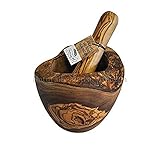
- Wooden mortar and pestle
- Foraged materials (acorns, pine needles, river stones)
Instructions
- Level your foundational tree stumps on a flat patch of dirt or grass. They should sit completely flush to prevent the heavy slab from wobbling.
- Mount the thick reclaimed wood slab across the tree stumps.
- Drill down through the top slab into the stumps below using long, heavy-duty lag bolts to secure the countertop permanently.
- Carve shallow indentations directly into the thick wooden countertop using a large Forstner bit on your drill. These natural divots replace the need for plastic drop-in sinks.
- Sand the entire surface, especially inside the carved bowls, to ensure there are no sharp splinters.
- Seal the wood generously with warm raw linseed oil or natural beeswax. This keeps the dirt kitchen food-safe and eco-friendly.
- Organize your natural loose parts. Use a wooden mortar and pestle for grinding dried leaves and chalk into “fairy dust.”
Pro-Tip: Embracing a low waste philosophy means skipping the plastic accessories. Use hollowed-out gourds for bowls, large clam shells for scoops, and wooden dowels for stirring sticks to keep the entire setup biodegradable.
8. Build a Corner Backyard Workshop for Kids

Got multiple kids? This L-shaped corner workshop mud kitchen is the ultimate setup!
If you are accommodating multiple children, a large-scale build is absolutely necessary. A sprawling backyard workshop for kids creates designated zones that prevent sibling squabbles.
This massive garden play set fundamentally features storage and actively promotes sharing. Utilizing advanced techniques like pocket hole joinery, you can construct a professional-grade outdoor prep table.
Supplies Needed
- 2×4 and 2×6 pressure-treated lumber (ground-contact rated)
- Pocket hole jig system (like a Kreg Jig)
- 2.5-inch exterior pocket hole screws
- 2 large stainless steel drop-in sinks (one for mud, one for rinsing)
- Exterior wood glue
- Large acrylic sheet for a transparent splashback (optional)
Instructions
- Measure and cut your 2x4s to build two separate rectangular base frames: one 4-foot section and one 3-foot section.
- Drill pocket holes into the ends of your cross braces. Pocket hole joinery is essential here because it hides the screws from the weather and keeps sharp screw heads away from little fingers.
- Assemble the two frames into an L-shape, joining them at the corner with exterior wood glue and heavy-duty screws.
- Attach the 2×6 planks across the top to create a massive, heavy-duty outdoor prep table countertop.
- Cut two separate holes into the countertop using a jigsaw to accommodate your double-sink setup.
- Mount an upper shelf along the entire back length of the L-shape to hold dozens of buckets and jars for a massive messy play table setup.
- Install heavy-duty hooks underneath the countertop to store large pots, pans, and oversized kids gardening tools.
Pro-Tip: When building large-scale outdoor equipment, always use lumber specifically rated for “Ground Contact.” Standard pressure-treated wood will eventually succumb to wood rot if it sits directly on wet grass or soil year-round.


Who says kid stuff has to be an eyesore? Build this stunning minimalist mud kitchen!
Parents often debate a painted vs natural finish when trying to match their patio furniture. A true scandinavian play design solves this by blending seamlessly into your modern landscaping.
This highly customized setup proves that kids’ toys can function as elegant outdoor home decor. It maintains strict aesthetic standards while still fulfilling crucial early years foundation stage requirements.
Supplies Needed
- Premium clear pine or blonde cedar lumber (avoid knotty woods for a sleek look)
- 1 matte black plastic or stainless steel drop-in basin
- Matte black exterior hardware (hooks and handles)
- Water-based clear matte exterior sealant (non-yellowing)
- Wood filler and fine-grit sandpaper
- Minimalist wooden mud kitchen accessories
Instructions
- Cut all lumber with extreme precision. A Scandinavian aesthetic relies entirely on perfectly flush, 90-degree joints.
- Assemble the frame using internal brackets or pocket holes so that absolutely no screw heads are visible from the front or sides.
- Fill any tiny gaps or accidental dings with wood filler, letting it dry completely.
- Sand the entire unit with 220-grit sandpaper until it feels as smooth as indoor furniture.
- Seal the wood with three coats of a water-based, non-yellowing clear matte sealant. Oil-based polyurethanes will turn light wood yellow over time, ruining the painted vs natural finish aesthetic.
- Mount the matte black basin into the countertop to create a striking visual contrast against the blonde wood.
- Attach sleek, modern matte black cabinet pulls to the front to act as towel bars, and keep the shelves + baskets strictly organized with matching neutral-toned accessories.
Pro-Tip: To maintain the pristine look of a scandinavian play design while allowing for actual messy play, apply a coat of automotive ceramic wax over the cured wood sealant. Mud and water will literally slide right off the surface during mud cleanup.

Key Takeaways: Your Quick Guide to DIY Mud Kitchens
A successful DIY mud kitchen prioritizes child safety, relies on weather-resistant materials, and encourages unstructured messy play. Consolidating your knowledge of proper construction methods guarantees your backyard addition will safely endure the elements.
To help you get started quickly, we have distilled the most critical technical and pedagogical advice from this mud kitchen overview. Keep these main takeaways in mind before purchasing your lumber or making your first cut.
Key Takeaways:
- Choose the Right Wood for Longevity: Always use cedar or “Ground Contact” pressure-treated lumber for the base frame to prevent rapid decay, ensuring your diy play kitchen survives years of outdoor elements.
Prioritize Child-Safe Finishes: Never use chemically treated pallets (look for the “HT” stamp) and always seal the wood with non-toxic, child-safe materials to prevent chemical leaching into wet mud.
Design for Drainage and Cleanup: Incorporate removable sink basins and consider slatted shelving. Proper water drainage prevents mosquito breeding and makes hosing down the station effortless.
Focus on Open-Ended Loose Parts: Stock your kitchen with pinecones, river stones, and simple wooden spoons rather than single-use plastic toys to truly maximize the benefits of sensory exploration.
Scale the Build to Your Space: You don’t need a massive yard; an upcycled potting bench or a portable mud kitchen on wheels diy provides the same developmental benefits in a fraction of the footprint.
Stability is Non-Negotiable: Whether using cinder blocks or heavy lumber, always level the ground first and secure top-heavy elements to prevent tipping during enthusiastic messy play.
People Also Ask About Outdoor Mud Kitchens
Understanding the daily logistics and maintenance of a backyard play station ensures your kids get maximum enjoyment while you avoid unnecessary cleanup stress. Before you pick up your drill, review these common questions about mud kitchen FAQs and safety standards.
Addressing these common concerns directly helps clarify what a maintenance schedule actually looks like. From age guidelines to weatherproofing wood, here are the definitive answers to your biggest planning questions.
What is a mud kitchen used for?
A mud kitchen is used to facilitate open-ended sensory play, allowing children to safely explore nature by mixing mud, water, sand, and natural loose parts.
According to early childhood educators, this type of messy play is critical for developing fine motor skills, hand-eye coordination, and imaginative roleplay. It provides a dedicated outdoor prep table where kids can make a mess without ruining indoor spaces, deeply connecting them to the natural world.
What wood is best for an outdoor mud kitchen?
Cedar and redwood are the best natural woods for an outdoor mud kitchen because they contain natural oils that resist wood rot and insect damage.
If you are on a budget, ground-contact pressure-treated pine is a durable alternative, provided it is fully cured and sealed before children use it. Avoid particleboard or MDF, as they will swell and disintegrate the moment they are exposed to rain or water + sand play.
How do you waterproof a mud kitchen?
To waterproof a mud kitchen, apply three coats of a high-quality, exterior-grade polyurethane sealant or marine varnish to all exposed wood surfaces.
Pay special attention to raw edges, screw holes, and the cutout area around the sink, as water pools heavily in these spots. Reapply a fresh coat of sealant annually as part of your maintenance schedule to ensure maximum sun damage protection and moisture resistance.
At what age is a mud kitchen appropriate?
Mud kitchens are highly appropriate and developmentally beneficial for children between the ages of 2 and 7 years old.
Toddlers benefit from the gross motor and tactile sensory input of splashing and stirring, while preschoolers and older children engage in complex imaginary play, potion-making, and cooperative roleplay. Ensure all mud kitchen accessories are age-appropriate, removing small choking hazards for children under three.
How much does it cost to build a mud kitchen?
Building a DIY mud kitchen typically costs between $0 and $150, depending heavily on whether you upcycle materials or buy new lumber.
A budget-friendly build utilizing free HT-stamped shipping pallets and thrifted stainless steel bowls can be completed for under $30 (mostly the cost of screws and sealant). Conversely, a large-scale custom cedar build with a recirculating water pump will push toward the $150-$200 range.
What accessories do you need for a mud kitchen?
The best mud kitchen accessories are durable, open-ended items like stainless steel mixing bowls, wooden spoons, metal whisks, and plastic measuring cups.
Avoid battery-operated toys. Instead, create loose parts kits filled with natural elements like pinecones, seashells, pebbles, and chalk. Thrift stores are the perfect place to source inexpensive, real-world pots + pans that easily withstand being left outside in the elements.
How do you make mud for a mud kitchen?
To make perfect mud for play, use topsoil rather than potting soil (which contains chemical fertilizers and perlite), and mix it slowly with water until it reaches a thick, moldable consistency.
Keep a dedicated bucket of clean dirt next to the station, and let children use a watering can or working water pump to control the moisture level themselves. This scientific process of mixing is a key component of messy play.
Are mud kitchens messy?
Yes, mud kitchens are inherently messy by design, but they contain that mess to one specific, manageable outdoor zone rather than spreading it across your yard or into your house.
To manage the mess, ensure the kitchen has proper water drainage, seat it on a bed of gravel or wood mulch rather than grass, and establish a routine where children rinse their hands and tools in a clean water bucket before going inside.
Is pressure treated wood safe for kids?
Modern pressure-treated wood (manufactured after 2003) is generally safe for kids’ play equipment, as toxic CCA (chromated copper arsenate) is no longer used in residential lumber.
However, because children frequently touch the surfaces and then put their hands in their mouths, industry safety guidelines strongly recommend sanding all treated wood smoothly and sealing it with two coats of outdoor paint or polyurethane sealant to create a protective barrier.
Can a mud kitchen be used in winter?
Yes, a mud kitchen can be used year-round, transforming into a “snow kitchen” or “ice lab” during the winter months.
Children can practice sensory exploration by smashing ice, painting snow with food coloring, and mixing freezing water. To ensure the structure survives the winter, remove any plastic basins that might crack from freezing water, and ensure the wood has been properly treated with a weatherproof finish before the first snowfall.
Final Thoughts on Your DIY Mud Kitchen Project
Taking the time to construct an outdoor messy play station is a direct investment in your child’s developmental health, motor skills, and connection to nature. This project moves beyond mere backyard organization; it is about cultivating an environment where learning happens naturally.
Building a diy mud kitchen is one of the most rewarding weekend projects you can take on for your children. Whether you choose to assemble a budget-friendly pallet station or construct an expansive corner workshop, you are providing a dedicated space for critical outdoor sensory play. These structures do more than just keep kids busy; they foster deep sensory exploration, encourage scientific thinking, and hit crucial childhood milestones—all while keeping the inevitable mess safely outside your home.
Remember, children do not care if the wood joints are perfectly flushed or if the paint is perfectly even. They care about having a space that is entirely their own, where they are allowed to break the rules of staying clean. Focus your efforts on safety—ensuring sturdy construction, thorough sanding for splinter prevention, and applying non-toxic weatherproof sealants.
By investing a little time and creativity into one of these nine simple plans, you are giving your kids the gift of unstructured, imaginative nature play and reaping its proven benefits. Gather your supplies, embrace the sawdust, and get ready to watch your backyard transform into the ultimate childhood laboratory. Which style of mud kitchen are you planning to build for your yard? Let us know your favorite ideas—and your best mud pie recipes—in the comments below!
Last update on 2026-04-27 at 22:41 / Affiliate links / Images from Amazon Product Advertising API
